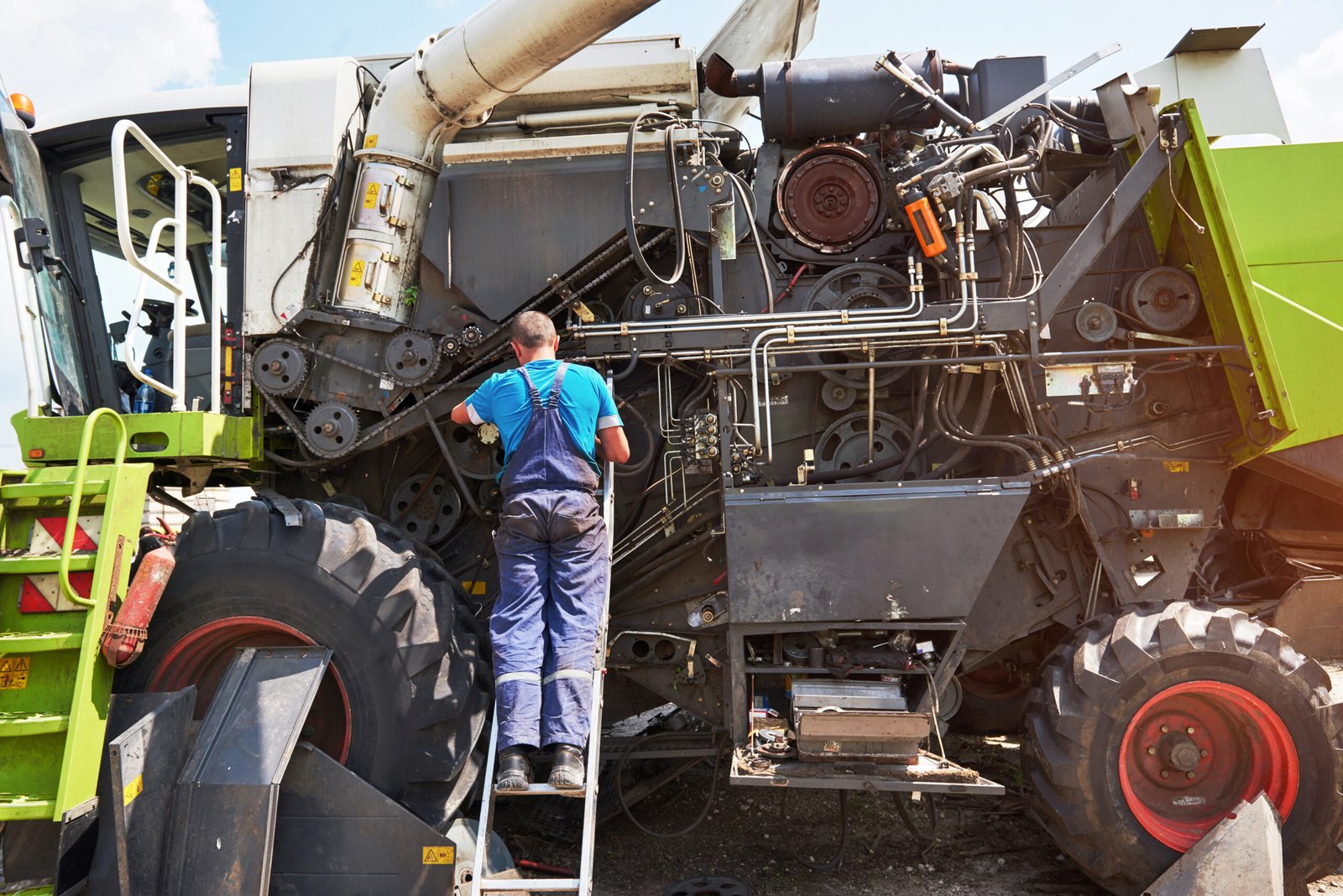
Heavy machines export marketplace

The heavy machines export marketplace is rapidly transforming how businesses buy and sell construction and industrial equipment worldwide. Whether you are a supplier, dealer, or entrepreneur, understanding how to navigate this global ecosystem can unlock massive growth opportunities.

At H&A Trading, we help businesses expand globally by connecting them with reliable buyers and sellers across international markets. This guide will walk you through everything you need to know—from platforms and strategies to benefits and trends in exporting heavy machinery.

Why Use a Heavy Machines Export Marketplace

1. Global Reach and Visibility

A strong international heavy equipment marketplace allows sellers to connect with buyers from different countries without geographical limitations.

2. Growing Demand for Used Equipment

Many buyers prefer used heavy equipment export options due to lower costs and faster availability.

3. Easier Market Entry

You can easily sell heavy machinery internationally without setting up a physical presence in another country.
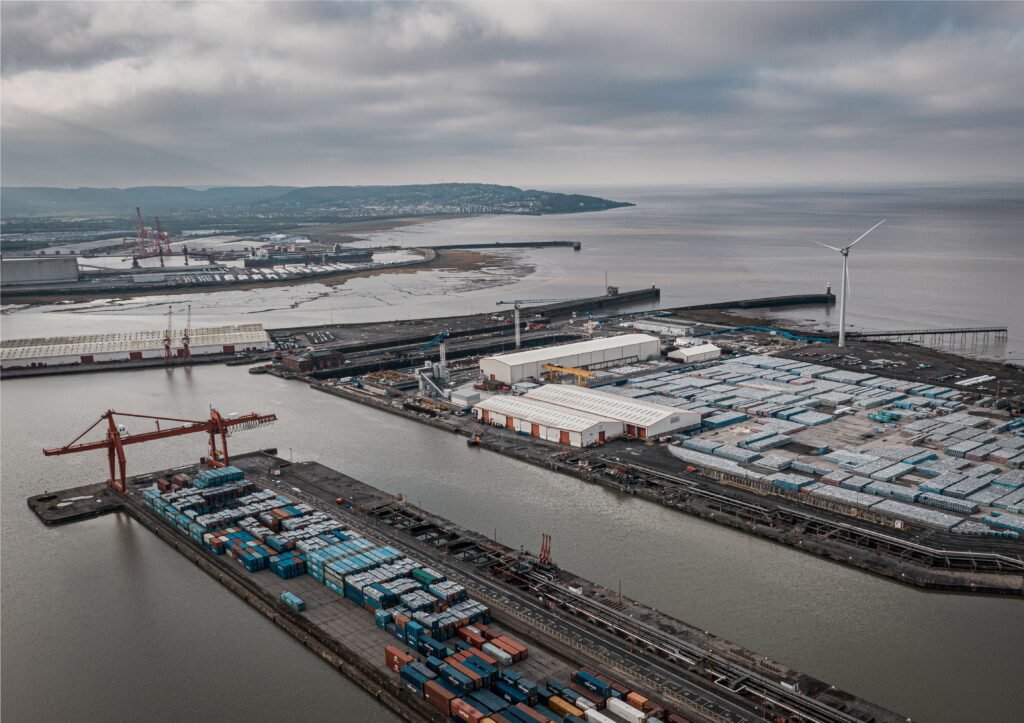
Heavy machines export marketplace

Complete Guide to Heavy Machines Export Marketplace and Global Machinery Trade

Introduction to the Global Machinery Market

The global demand for construction and industrial equipment is growing due to infrastructure development, urbanization, and industrial expansion. Businesses are increasingly relying on construction machinery export marketplace platforms to reach international buyers efficiently.

Instead of traditional offline trading, companies now prefer export heavy machinery online, making the process faster, more transparent, and cost-effective.

Key Benefits of Exporting Heavy Machinery

Access to International Buyers

Using a heavy equipment B2B marketplace, exporters can connect with verified global clients actively searching for machinery.

Higher Profit Margins

International markets often offer better pricing compared to local markets.

Diversification of Business

Exporting reduces dependency on a single market and increases stability.

Lead Generation

Platforms provide construction equipment export leads, helping businesses grow consistently.


Top Features of a Good Export Marketplace

1. User-Friendly Interface

A good industrial machinery export platform should be easy to navigate.

2. Verified Buyers and Sellers

Trust is essential in heavy machinery global trade, so verification systems are crucial.

3. Secure Payment Systems

Ensures safe transactions across borders.

4. Logistics Support

Helps with shipping, customs, and delivery.


Types of Products in Heavy Machinery Export

Construction Equipment

  • Excavators

  • Bulldozers

  • Loaders

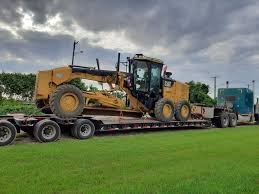
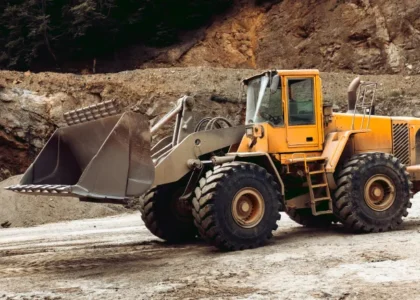
These are commonly traded in the export used construction equipment segment.

Industrial Machines

  • Generators

  • Compressors

  • Manufacturing machines

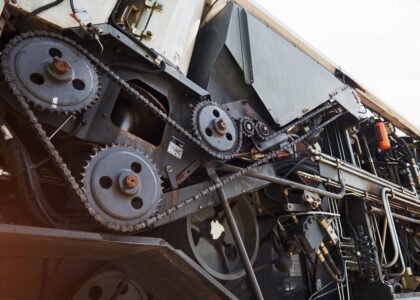
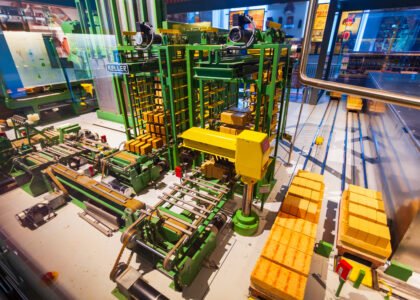
Highly demanded by heavy equipment international buyers.

Agricultural Equipment

  • Tractors

  • Harvesters

How to Start a Machinery Export Business Online

Step 1: Market Research

Understand demand in the machinery export business online space.

Step 2: Choose the Right Platform

Select reliable heavy equipment trade websites.

Step 3: Product Listing Optimization

Use clear images and detailed descriptions.

Step 4: Pricing Strategy

Analyze the global construction equipment market to stay competitive.


Global Trends in Heavy Equipment Export

Digital Transformation

More businesses now export heavy machines worldwide through digital platforms.

Sustainability Focus

Used machinery demand is increasing due to environmental concerns.

Emerging Markets Growth

Developing countries are major buyers in heavy equipment selling platforms.

Opportunities in Machinery Export

High Demand Regions

  • Africa

  • Southeast Asia

  • Middle East

These regions offer excellent machinery export opportunities.

Government Infrastructure Projects

Large-scale projects increase demand for equipment.


Challenges and How to Overcome Them

Logistics Issues

Solution: Partner with reliable shipping providers.

Regulatory Compliance

Follow a proper heavy equipment export guide for documentation.

Payment Risks

Use secure escrow or verified payment systems.


Best Practices for Success

Build Trust

Provide transparent information on online heavy equipment trading platforms.

Optimize Listings

Use SEO-friendly titles and descriptions.

Customer Support

Offer responsive communication to buyers.

Role of H&A Trading in Global Export

H&A Trading plays a crucial role in simplifying the export process by:

  • Connecting buyers and sellers worldwide

  • Providing expert guidance

  • Ensuring smooth transactions

  • Offering reliable export solutions

The heavy machines export marketplace is a powerful tool for businesses looking to expand globally. With the right strategies, platforms, and support from H&A Trading, you can successfully tap into international markets, increase revenue, and build a strong global presence.

By leveraging digital platforms, understanding market trends, and focusing on customer trust, your machinery export business can thrive in today’s competitive environment.

What Should You Consider in a Heavy Machines Export Marketplace?

FactorInsight
Marketplace selectionChoose platforms with verified buyers
Pricing strategyResearch global demand before pricing
LogisticsWork with experienced freight partners
Payment safetyUse escrow or secure payment gateways
Product demandFocus on high-demand used equipment

What is a heavy machines export marketplace and how does H&A Trading help?

A heavy machines export marketplace is an online platform where businesses buy and sell machinery globally. H&A Trading helps connect reliable buyers and sellers efficiently.

Advanced Strategies for Heavy Machinery Export Growth To succeed in the heavy machines export marketplace, businesses need more than just listings. A strategic approach ensures long-term growth and consistent sales. 1. Target the Right Audience Understanding your audience is key. Many heavy equipment international buyers come from developing regions where infrastructure projects are increasing. Focus on industries like construction, mining, and agriculture. 2. Optimize for Search Visibility When you export heavy machinery online, your product listings should include: Clear product titles Technical specifications High-quality images Relevant keywords This improves visibility across heavy equipment trade websites and search engines. 3. Build Long-Term Relationships Success in heavy machinery global trade depends on trust. Repeat buyers bring consistent revenue, so maintaining strong communication is essential. How Digital Platforms Are Changing Machinery Export The shift to machinery export business online has completely transformed global trade. Businesses no longer rely only on brokers or offline deals. Faster Transactions Using an industrial machinery export platform, deals can be finalized in days instead of weeks. Data-Driven Decisions You can analyze trends in the global construction equipment market to adjust pricing and inventory. Lower Marketing Costs Digital platforms reduce the need for expensive trade shows and physical marketing. Pricing Strategies for Exporting Heavy Equipment Pricing plays a crucial role when you export heavy machines worldwide. Competitive Pricing Study competitors on heavy equipment selling platforms to understand market rates. Cost Considerations Include: Shipping costs Taxes and duties Platform fees Value-Based Pricing If your machinery is high quality, you can charge premium prices in the construction machinery export marketplace. Importance of Quality and Inspection Buyers in the international heavy equipment marketplace prioritize quality and reliability. Pre-Shipment Inspection Always inspect machinery before exporting to avoid disputes. Detailed Documentation Provide: Maintenance history Usage details Certification documents This builds confidence among heavy equipment international buyers. Logistics and Shipping in Machinery Export Efficient logistics are essential for success in the heavy machines export marketplace. Shipping Methods Container shipping Roll-on/Roll-off (RoRo) Flat rack shipping Choosing Logistics Partners Reliable logistics providers ensure timely delivery when you sell heavy machinery internationally. Customs Clearance Understanding regulations is critical when handling export used construction equipment shipments. Marketing Techniques for Machinery Exporters To stand out in the competitive heavy equipment B2B marketplace, strong marketing is necessary. Content Marketing Create blogs, guides, and videos related to: Equipment usage Maintenance tips Industry trends SEO Optimization Use keywords like: online heavy equipment trading machinery export opportunities heavy equipment export guide Social Media Promotion Platforms like LinkedIn help reach business buyers globally. Building Trust in Global Markets Trust is one of the biggest factors in heavy machinery global trade. Transparency Clearly mention product condition, pricing, and delivery timelines. Certifications Having proper certifications boosts credibility in the industrial machinery export platform ecosystem. Customer Reviews Positive feedback helps attract new clients. Emerging Technologies in Machinery Export Technology is shaping the future of the heavy machines export marketplace. AI and Automation AI tools help match buyers and sellers more efficiently. Virtual Inspections Buyers can inspect equipment remotely using video and AR tools. Blockchain for Transactions Ensures secure and transparent payments in heavy equipment trade websites. Expanding into New Markets Growth in the global construction equipment market opens doors to new regions. Africa High demand for infrastructure projects. Asia Rapid industrial growth increases demand for machinery. Middle East Large-scale construction projects drive imports. These regions offer strong machinery export opportunities for businesses worldwide. Sustainability in Machinery Export Sustainability is becoming important in the heavy machines export marketplace. Used Equipment Demand The rise of used heavy equipment export reduces environmental impact. Eco-Friendly Practices Businesses are focusing on: Reducing emissions Recycling parts Extending equipment life Customer Support and After-Sales Service Providing support after the sale is crucial when you sell heavy machinery internationally. Technical Assistance Help buyers with installation and operation. Spare Parts Availability Ensure spare parts are accessible for long-term usage. Warranty Options Offering warranties increases buyer confidence. Future of Heavy Machines Export Marketplace The future of the heavy machines export marketplace looks promising with increasing globalization and digital adoption. Increased Online Adoption More businesses will rely on online heavy equipment trading platforms. Automation in Trade Processes like documentation and payments will become automated. Growing Competition Businesses must innovate to stay ahead in the heavy equipment selling platforms space. Understanding Buyer Behavior in Global Equipment Trade To succeed in international equipment sales, it’s important to understand how buyers think and make decisions. Most buyers are not just looking for the lowest price—they are looking for reliability, long-term value, and trust. Buyers typically evaluate: Machine condition and performance Seller reputation and transparency Availability of spare parts Ease of communication Many purchasing decisions are influenced by how clearly information is presented. Detailed listings, honest descriptions, and prompt responses can significantly improve conversion rates. Creating High-Converting Product Listings A strong product listing is one of the most powerful tools for increasing inquiries and sales. Poor listings often result in missed opportunities. Essential Elements of a Good Listing 1. Clear Title The title should include the machine type, model, and condition. 2. Detailed Description Explain: Usage history Technical specifications Maintenance records 3. High-Quality Images Images should show: Multiple angles Close-ups of important parts Any wear or damage 4. Transparent Pricing Buyers appreciate clarity. If possible, include shipping estimates and additional costs. Building a Strong Online Presence Your online presence acts as your digital storefront. A professional and consistent presence builds credibility. Website Optimization A well-designed website should: Load quickly Be mobile-friendly Provide easy navigation Content Strategy Regularly publish helpful content such as: Equipment maintenance tips Industry updates Buyer guides This not only attracts visitors but also establishes authority. Importance of Communication in International Trade Clear communication can make or break a deal. Since buyers and sellers are often in different countries, misunderstandings can occur easily. Best Practices Respond quickly to inquiries Use simple and clear language Confirm all details in writing Providing accurate and timely information builds confidence and reduces negotiation time. Managing Risks in Cross-Border Transactions International trade involves certain risks, but they can be managed effectively with the right approach. Common Risks Payment delays or fraud Shipping damage Regulatory issues Risk Mitigation Strategies Use secure payment methods Work with trusted logistics partners Ensure proper documentation Taking preventive measures helps avoid costly mistakes. Documentation and Compliance Essentials Proper documentation is crucial for smooth transactions. Missing or incorrect paperwork can lead to delays or penalties. Key Documents Commercial invoice Packing list Bill of lading Export license (if required) Each country has its own regulations, so it’s important to stay updated and compliant. Efficient Inventory Management Managing inventory effectively ensures that you can meet demand without overstocking. Inventory Tips Track stock levels regularly Identify fast-moving equipment Avoid holding outdated inventory Efficient inventory management improves cash flow and operational efficiency. Negotiation Strategies for Better Deals Negotiation is a key part of international business. A well-handled negotiation can lead to long-term partnerships. Tips for Successful Negotiation Understand the buyer’s needs Be flexible with pricing and terms Focus on value rather than just cost Building a win-win situation increases the chances of repeat business. Shipping and Delivery Best Practices Timely and safe delivery is essential for customer satisfaction. Packaging Ensure machinery is properly secured to prevent damage during transit. Tracking Provide buyers with tracking details to keep them informed. Delivery Coordination Work closely with logistics providers to ensure smooth handling at ports and customs. After-Sales Support and Customer Retention After-sales service plays a crucial role in building long-term relationships. Support Services Technical guidance Maintenance assistance Spare parts supply Satisfied customers are more likely to return and recommend your business to others. Leveraging Data for Business Growth Data-driven decisions can significantly improve performance. What to Track Customer inquiries Conversion rates Popular equipment types Analyzing this data helps you identify trends and make informed decisions. Scaling Your Operations Globally As your business grows, scaling becomes the next step. Expansion Strategies Enter new markets Increase product range Invest in technology Scaling requires careful planning to maintain quality and efficiency. Importance of Branding in Industrial Trade Branding is often overlooked but plays a vital role in long-term success. How to Build a Strong Brand Maintain consistency across platforms Provide excellent customer service Showcase success stories A strong brand creates trust and differentiates you from competitors. Adapting to Market Changes Markets are constantly evolving, and businesses must adapt to stay competitive. Key Trends to Watch Digital transformation Sustainability practices Changing customer preferences Staying updated helps you remain relevant and competitive. Developing Strategic Partnerships Partnerships can accelerate growth and open new opportunities. Types of Partnerships Logistics providers Local distributors Service providers Collaborating with the right partners improves efficiency and reach. Training and Skill Development Investing in skills and knowledge is essential for long-term success. Areas to Focus On Market research Communication skills Technical knowledge A skilled team can handle challenges more effectively. Financial Planning and Budgeting Proper financial management ensures stability and growth. Budgeting Tips Plan for operational costs Allocate funds for marketing Maintain emergency reserves Good financial planning reduces risks and supports expansion. Ethical Practices in Global Trade Ethical business practices build trust and reputation. Key Principles Honesty in transactions Fair pricing Respect for regulations Maintaining ethical standards strengthens long-term relationships. Improving Customer Experience A positive customer experience leads to higher satisfaction and loyalty. Ways to Improve Experience Simplify the buying process Provide clear information Offer reliable support Happy customers are more likely to return and recommend your services. Future-Proofing Your Business Preparing for the future ensures long-term sustainability. Steps to Future-Proof Embrace technology Diversify markets Focus on innovation Businesses that adapt quickly are more likely to succeed in the long run. Final Expansion Insights Growth in global equipment trade requires a combination of strategy, consistency, and adaptability. By focusing on quality, communication, and customer satisfaction, businesses can build a strong presence in international markets. Success doesn’t happen overnight, but with the right approach, it is achievable. Continuous improvement, learning, and innovation are the keys to staying ahead in a competitive environment. Creating a Smooth Buyer Journey A seamless buying experience is essential for increasing conversions and building trust. From the moment a potential customer shows interest to the final delivery, every step should be clear and efficient. Simplify the Inquiry Process Make it easy for buyers to contact you. Provide: Quick response options Clear contact details Simple inquiry forms Reducing friction at this stage increases the chances of turning inquiries into actual deals. Provide Clear Information Buyers should not have to ask basic questions. Include all essential details upfront to save time and build confidence. Handling International Payments Efficiently Managing payments across borders requires careful planning to ensure safety and convenience for both parties. Popular Payment Methods Bank transfers Letters of credit Escrow services Each method has its advantages, so choosing the right one depends on the transaction size and level of trust. Currency Considerations Exchange rates can affect profitability. It’s important to monitor currency fluctuations and plan pricing accordingly. Importance of Time Management in Trade Operations Time plays a crucial role in global transactions. Delays can lead to missed opportunities and dissatisfied customers. Ways to Improve Efficiency Set clear timelines for each stage Automate repetitive tasks Coordinate closely with partners Efficient time management ensures smooth operations and better customer satisfaction. Using Feedback for Continuous Improvement Customer feedback is a valuable resource for improving your services. Collecting Feedback Follow up after transactions Ask for reviews and suggestions Monitor customer concerns Implementing Changes Use the feedback to refine processes, improve communication, and enhance overall service quality. Maintaining Consistency Across Operations Consistency builds trust and reliability. Buyers prefer working with businesses that deliver the same quality and service every time. Standardization Create standard procedures for: Product listings Communication Documentation This ensures that every transaction meets a certain level of quality. The Role of Transparency in Business Success Transparency is one of the most important factors in building long-term relationships. What to Be Transparent About Product condition Pricing breakdown Delivery timelines Honesty reduces disputes and increases customer satisfaction. Adopting a Customer-Centric Approach Putting the customer first leads to better results and long-term growth. Understanding Customer Needs Take time to understand what the buyer is looking for and offer solutions that meet their requirements. Personalized Communication Tailor your communication based on the buyer’s preferences and expectations. Improving Operational Efficiency Efficiency directly impacts profitability and growth. Automation Tools Use tools to manage: Inventory Communication Documentation Process Optimization Regularly review and improve your processes to eliminate unnecessary steps. Strengthening Reputation in the Market A strong reputation is built over time through consistent performance. Ways to Build Reputation Deliver on promises Maintain quality standards Provide excellent service A good reputation attracts more customers and creates new opportunities. Long-Term Vision for Sustainable Growth Sustainable growth requires planning and commitment. Focus Areas Continuous learning Adapting to changes Building strong relationships Businesses that focus on long-term goals rather than short-term gains are more likely to succeed. Success in global trade comes from consistency, trust, and adaptability. Focus on clear communication, reliable processes, and continuous improvement. Stay updated with industry changes and prioritize customer satisfaction. Over time, these efforts build strong relationships, repeat business, and a stable foundation for long-term growth in competitive international markets.