Multi brand construction machinery supplier

The export of industrial grade machinery has become a key driver of global trade, supporting industries such as manufacturing, construction, energy, and agriculture. Businesses worldwide are increasingly investing in cross-border equipment trade to expand markets, improve profitability, and meet global demand.

Whether you’re a startup or an established exporter like H&A Trading, understanding the complete industrial machinery export process is essential. From documentation and logistics to compliance and risk management, every step plays a crucial role in successful exports.

This guide explains everything in simple terms—helping you navigate international markets with confidence.

Why Export Industrial Machinery?

Exporting machinery offers huge opportunities due to increasing global industrialization. Many developing countries depend on imported equipment to boost infrastructure and production.

Key Reasons:

  • Growing global demand for industrial equipment
  • Expansion into international markets
  • Higher profit margins compared to local sales
  • Diversification of business risks
  • Long-term business relationships
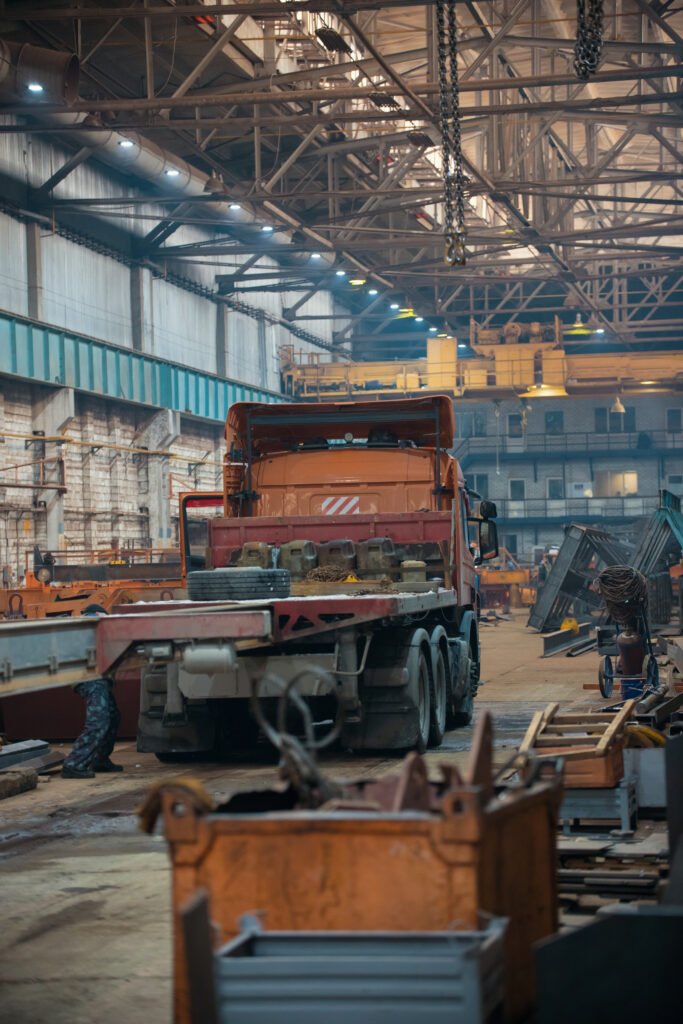
Export of industrial grade machinery

Complete Guide to Industrial Machinery Export Process and Benefits

Benefits of Exporting Industrial Equipment

1. Increased Revenue Potential

Selling internationally opens access to larger markets, increasing overall sales.

2. Market Expansion

Entering new regions helps businesses grow beyond domestic limitations.

3. Competitive Advantage

Exporters gain global recognition and stronger brand positioning.

4. Economies of Scale

Higher production volumes reduce cost per unit.

5. Business Stability

Diversifying markets reduces dependency on a single economy.


Industrial Machinery Export Process

Understanding the industrial machinery export process ensures smooth operations.

Step 1: Market Research

Identify countries with demand for your machinery. Analyze competition and pricing.

Step 2: Compliance & Regulations

Follow machinery export regulations based on destination country laws.

Step 3: Documentation

Prepare essential industrial export documentation, including:

  • Commercial invoice
  • Packing list
  • Bill of lading
  • Certificate of origin
  • Export license

Step 4: Pricing & Costing

Calculate machinery export costs, including:

  • Production cost
  • Shipping
  • Insurance
  • Customs duties

Step 5: Logistics & Shipping

Arrange heavy equipment shipping with reliable freight partners.

Step 6: Payment & Finance

Secure payments using:

  • Letter of Credit (LC)
  • Advance payment
  • Export financing

Export Heavy Machinery: Key Considerations

Exporting large equipment involves additional planning.

Important Factors:

  • Weight and size restrictions
  • Specialized transport
  • Handling equipment
  • Insurance coverage

Proper planning ensures safe and cost-effective delivery.


Machinery Export Regulations

Every country has specific rules for exporting machinery.

Common Requirements:

  • Export licenses
  • Safety certifications
  • Environmental compliance
  • Trade agreements

Staying updated with export compliance machinery laws prevents legal issues.


Export Industrial Equipment Documentation

Documentation is critical in international trade.

Essential Documents:

  • Export license
  • Customs declaration
  • Insurance certificate
  • Inspection certificate

Accurate paperwork ensures smooth customs clearance.


Machinery Export Costs Breakdown

Understanding costs helps in pricing strategy.

Cost Components:

  • Manufacturing cost
  • Packaging cost
  • Freight charges
  • Customs duties
  • Taxes and insurance

Efficient cost management improves profit margins.


Heavy Equipment Shipping & Logistics

Shipping Methods:

  • Sea freight (most common)
  • Air freight (urgent deliveries)
  • Road transport (regional trade)

Export Logistics Machinery Tips:

  • Choose reliable freight forwarders
  • Use proper packaging
  • Track shipments in real-time

Export Compliance Machinery

Compliance ensures legal and smooth operations.

Key Areas:

  • Product standards
  • Safety certifications
  • Export restrictions
  • Trade policies

Non-compliance can lead to delays and penalties.


Machinery Export Business Strategy

Starting a machinery export business requires planning.

Key Elements:

  • Market research
  • Supplier partnerships
  • Pricing strategy
  • Marketing plan

Building a strong foundation ensures long-term success.


Customs on Machinery Export

Customs procedures vary by country.

Key Steps:

  • Declare goods
  • Pay duties and taxes
  • Submit documents

Understanding customs on machinery export avoids delays.


Freight for Machinery Export

Freight selection impacts cost and delivery time.

Options:

  • Full Container Load (FCL)
  • Less than Container Load (LCL)
  • Breakbulk shipping

Choose based on cargo size and urgency.


Export Packaging Machinery Requirements

Proper packaging protects machinery during transit.

Best Practices:

  • Use strong wooden crates
  • Waterproof wrapping
  • Shock-resistant materials

Good packaging reduces damage risks.


Find Buyers for Machinery Export

Methods:

  • Online B2B platforms
  • Trade fairs
  • Industry networks
  • Digital marketing

Finding reliable buyers is key to business growth.


Machinery Export License & Certification

Exporters must obtain:

  • Export license
  • Quality certification
  • Safety approvals

These ensure compliance with international standards.


Machinery Export Trends

Current Trends:

  • Automation and smart machinery
  • Sustainable equipment
  • Digital trade platforms
  • Emerging markets growth

Staying updated helps businesses stay competitive.


Global Machinery Trade Opportunities

The global machinery trade market is expanding rapidly.

High-demand sectors:

  • Construction
  • Manufacturing
  • Energy
  • Agriculture

Emerging economies offer strong growth potential.


Machinery Export Finance Options

Common Financing Methods:

  • Export credit
  • Bank loans
  • Government schemes
  • Trade finance

Proper financing ensures smooth operations.


Machinery Export Risks & Solutions

Common Risks:

  • Payment delays
  • Shipping damage
  • Regulatory changes
  • Currency fluctuations

Solutions:

  • Use secure payment methods
  • Insure shipments
  • Stay updated with regulations

Machinery Export Certification Requirements

Certifications build trust and ensure compliance.

Examples:

  • ISO certification
  • CE marking
  • Safety standards

These improve credibility in global markets.


Features of Successful Machinery Export Businesses

  • Strong supply chain
  • Reliable logistics partners
  • Compliance expertise
  • Customer-focused approach

How Does Export of Industrial Grade Machinery Work?

StepProcessKey RequirementOutcome
Market ResearchIdentify demand in target countriesIndustry analysisBetter market selection
Compliance CheckFollow export laws and standardsLegal documentationSmooth approval
DocumentationPrepare export papersInvoice, license, certificatesHassle-free clearance
PackagingSecure machinery for transportStrong materialsDamage prevention
ShippingArrange transport and deliveryFreight servicesTimely delivery
PaymentComplete financial transactionsSecure payment methodSafe and confirmed payment

What is export of industrial grade machinery and how does H&A Trading handle it?

The export of industrial grade machinery involves selling heavy equipment internationally. H&A Trading manages documentation, logistics, and compliance efficiently.

Advanced Strategies for Export of Industrial Grade Machinery To succeed in the export of industrial grade machinery, businesses must go beyond basic processes and adopt advanced strategies that improve efficiency, visibility, and profitability. With increasing global competition, exporters need to focus on innovation, customer needs, and digital transformation. Strengthening Global Presence Building a strong international presence is essential in the global machinery trade. Companies should focus on creating a professional online profile, optimizing their website for search engines, and using digital platforms to showcase their products. Investing in SEO content, including topics like machinery export trends and export industrial equipment, helps attract international buyers organically. A well-optimized website can generate consistent leads without relying heavily on paid advertising. Leveraging Digital Marketing for Buyer Acquisition One of the most effective ways to find buyers machinery export is through digital marketing. Businesses can use: Search engine optimization (SEO) Pay-per-click (PPC) advertising Email marketing campaigns Social media platforms like LinkedIn These strategies help reach decision-makers in industries that require heavy equipment. Optimizing Export Logistics Machinery Efficient export logistics machinery management is crucial for timely delivery and cost control. Businesses should collaborate with experienced logistics providers to handle freight for machinery export and ensure smooth transportation. Using tracking systems and digital tools allows exporters to monitor shipments in real time, reducing uncertainty and improving customer satisfaction. Managing Machinery Export Costs Effectively Controlling machinery export costs is key to maintaining competitive pricing. Exporters should negotiate with suppliers, reduce packaging waste, and optimize shipping methods. Choosing between Full Container Load (FCL) and Less than Container Load (LCL) can significantly impact costs. Proper planning ensures better profit margins while keeping prices attractive to buyers. Enhancing Export Compliance Machinery Practices Compliance plays a vital role in international trade. Businesses must stay updated with changing machinery export regulations and maintain proper certifications. Regular audits and documentation checks ensure that all requirements are met, minimizing the risk of shipment delays or penalties. Strong compliance practices also build trust with global clients. Building a Scalable Machinery Export Business A successful machinery export business should be scalable and adaptable. This includes: Expanding product lines Entering new markets Strengthening supplier networks Improving operational efficiency Scalability allows businesses to grow sustainably and respond to changing market demands. Importance of Export Packaging Machinery Standards High-quality export packaging machinery practices protect equipment during transit. Using durable materials and following international packaging standards reduces the chances of damage. Proper labeling and handling instructions also ensure that machinery is transported safely across long distances. Financial Planning and Machinery Export Finance Access to proper funding is essential for growth. Businesses can explore machinery export finance options such as export credit, trade finance, and government incentives. Financial planning helps manage cash flow, especially when dealing with large orders and long payment cycles. Risk Management in Machinery Export Managing machinery export risks is critical for long-term success. Exporters should identify potential risks early and develop strategies to handle them. Key practices include: Using insured shipping methods Choosing reliable buyers Diversifying markets Monitoring currency fluctuations These steps help reduce uncertainties and protect business operations. Future Outlook of Industrial Machinery Export The future of the export of industrial grade machinery looks promising, driven by industrial growth and technological advancements. Demand for automation, energy-efficient machines, and smart equipment is increasing globally. Businesses that stay updated with machinery export trends, adopt digital tools, and maintain strong compliance will gain a competitive edge in the international market. By focusing on innovation, efficient logistics, and customer satisfaction, exporters can build a strong position in the evolving global trade landscape. Building Long-Term Success in International Machinery Trade Succeeding in international trade requires more than just completing shipments. It involves building long-term relationships, maintaining consistent quality, and continuously improving operations. Companies that focus on trust and reliability often gain repeat customers and long-term contracts. One of the most important aspects is communication. Clear and timely communication with buyers, suppliers, and logistics partners helps avoid misunderstandings and ensures smooth transactions. Providing regular updates about production, shipping status, and delivery timelines builds confidence among clients. Another critical factor is maintaining product quality. Buyers expect machinery to perform efficiently and meet industry standards. Regular quality checks, proper testing, and adherence to international standards are essential for maintaining credibility in global markets. Understanding International Market Demand Different regions have different requirements when it comes to industrial equipment. Some countries focus on construction and infrastructure, while others may require machinery for agriculture or manufacturing. Understanding these variations helps businesses tailor their offerings according to market needs. For example, developing countries often require durable and cost-effective machines, while developed markets may prefer advanced and automated equipment. Market demand is also influenced by economic conditions, government policies, and industrial growth. Keeping track of these factors allows exporters to identify new opportunities and adjust their strategies accordingly. Importance of Strong Supplier Networks A reliable supplier network is the backbone of any successful export operation. Strong relationships with manufacturers and component suppliers ensure timely production and consistent quality. Working with trusted suppliers also reduces the risk of delays and defects. Businesses should evaluate suppliers based on their experience, production capacity, and quality standards. Long-term partnerships with suppliers can lead to better pricing, priority production, and improved collaboration. This ultimately enhances overall efficiency and competitiveness. Role of Technology in Modern Trade Technology has transformed the way businesses operate in international markets. From digital documentation to real-time tracking, modern tools make processes faster and more efficient. Automation in operations reduces manual errors and improves accuracy. Cloud-based systems allow businesses to manage orders, track shipments, and store important documents securely. Data analytics also plays a key role in decision-making. By analyzing market trends and customer behavior, businesses can optimize their strategies and improve performance. Building Trust with International Buyers Trust is a crucial factor in global trade. Buyers prefer working with companies that are transparent, reliable, and professional. Providing detailed product information, clear pricing, and accurate delivery timelines helps build trust. Offering after-sales support and addressing customer concerns promptly also strengthens relationships. Certifications and compliance with international standards further enhance credibility. Businesses that consistently meet expectations are more likely to gain repeat orders and referrals. Effective Pricing Strategies Pricing plays a major role in attracting customers and staying competitive. Businesses need to balance cost and value to offer competitive prices without compromising quality. Understanding market rates and competitor pricing helps in setting appropriate prices. Offering flexible pricing options, such as discounts for bulk orders, can attract more buyers. It is also important to consider factors like shipping costs, taxes, and currency fluctuations while determining final prices. A well-planned pricing strategy ensures profitability and customer satisfaction. Managing Currency and Payment Risks International trade involves dealing with different currencies, which can lead to fluctuations in exchange rates. These fluctuations can impact profits if not managed properly. Businesses can reduce risks by using stable currencies, forward contracts, or hedging strategies. Choosing secure payment methods also minimizes financial risks. Working with trusted financial institutions and using verified payment channels ensures safe transactions. Proper financial planning helps maintain stability and avoid unexpected losses. Importance of After-Sales Support After-sales service is often overlooked but plays a vital role in customer satisfaction. Providing support after delivery ensures that machinery operates efficiently and meets customer expectations. This can include installation guidance, maintenance support, and troubleshooting assistance. Offering warranties and spare parts availability also adds value to the product. Strong after-sales support builds long-term relationships and encourages repeat business. Satisfied customers are more likely to recommend the company to others. Adapting to Changing Regulations International trade regulations are constantly evolving. Governments may introduce new policies, tariffs, or compliance requirements that affect exports. Staying updated with these changes is essential to avoid disruptions. Businesses should regularly review regulations and ensure that all requirements are met. Working with legal experts or consultants can help navigate complex regulations. Being proactive in compliance ensures smooth operations and reduces the risk of penalties. Importance of Branding in Global Markets Branding is not just for consumer products; it is equally important in industrial sectors. A strong brand creates recognition and trust among buyers. Professional branding includes a well-designed website, clear product catalogs, and consistent communication. Highlighting expertise and experience helps position the company as a reliable partner. Positive customer reviews and testimonials also contribute to brand reputation. A strong brand presence makes it easier to attract new customers and retain existing ones. Expanding into New Markets Growth in international trade often comes from exploring new markets. Businesses should identify regions with increasing demand and favorable trade conditions. Entering new markets requires careful planning, including understanding local regulations, cultural differences, and customer preferences. Partnering with local distributors or agents can help establish a presence in new regions. This approach reduces risks and provides valuable market insights. Importance of Efficient Inventory Management Managing inventory effectively is crucial for meeting customer demand and avoiding delays. Overstocking can increase costs, while understocking can lead to missed opportunities. Using inventory management systems helps track stock levels and plan production accordingly. Efficient inventory management ensures timely delivery and reduces operational costs. Role of Training and Skilled Workforce A skilled workforce is essential for maintaining quality and efficiency. Employees should be trained in production processes, quality control, and safety standards. Continuous training helps employees stay updated with new technologies and industry practices. Skilled workers contribute to better productivity and improved product quality. Investing in employee development also boosts morale and reduces turnover, creating a stable and efficient workforce. Sustainability in Industrial Trade Sustainability is becoming increasingly important in global markets. Buyers are looking for environmentally friendly products and responsible business practices. Using energy-efficient machinery, reducing waste, and adopting eco-friendly packaging are some ways to promote sustainability. Businesses that focus on sustainability not only contribute to environmental protection but also gain a competitive advantage in the market. Importance of Risk Diversification Relying on a single market or product can be risky. Diversifying markets and product lines helps reduce dependency and spread risks. By expanding into multiple regions and offering a variety of products, businesses can maintain stability even during market fluctuations. Risk diversification ensures long-term growth and resilience in changing economic conditions. Building Strong Logistics Partnerships Logistics plays a critical role in international trade. Partnering with reliable logistics providers ensures timely and safe delivery of goods. Strong partnerships lead to better coordination, reduced delays, and improved efficiency. Businesses should choose partners with experience and a proven track record. Regular communication with logistics partners helps address issues quickly and maintain smooth operations. Continuous Improvement and Innovation To stay competitive, businesses must focus on continuous improvement and innovation. This includes upgrading technology, improving processes, and enhancing product features. Listening to customer feedback provides valuable insights for improvement. Businesses that adapt to changing needs and innovate regularly are more likely to succeed. Leveraging Data for Better Decisions Data-driven decision-making helps businesses optimize their operations. By analyzing sales data, customer preferences, and market trends, companies can make informed decisions. Using data analytics tools allows businesses to identify opportunities, reduce costs, and improve efficiency. Data-driven strategies lead to better performance and growth. Importance of Transparency in Operations Transparency builds trust and credibility. Providing clear information about pricing, processes, and timelines helps create a positive impression. Honest communication about potential delays or challenges also strengthens relationships. Transparency ensures that customers feel confident and valued. Long-Term Vision and Strategic Planning Successful businesses focus on long-term goals rather than short-term gains. Strategic planning helps set clear objectives and define the path to achieve them. This includes market expansion, product development, and investment in technology. A clear vision guides decision-making and ensures sustainable growth. Conclusion Building a successful presence in international machinery trade requires a combination of strategy, planning, and execution. From understanding market demand to managing risks and maintaining quality, every aspect plays a crucial role. Businesses that focus on innovation, customer satisfaction, and continuous improvement are more likely to succeed in the global market. By adopting modern practices and staying adaptable, companies can achieve long-term growth and establish themselves as reliable partners worldwide. Achieving success in global trade requires patience, planning, and a commitment to excellence. Businesses must focus on delivering consistent quality, maintaining strong relationships, and adapting to changing market conditions. Clear communication and transparency play a major role in building trust with international partners. Investing in modern technology and skilled professionals can significantly improve efficiency and reduce operational challenges. Companies that embrace innovation are better equipped to handle competition and meet evolving customer expectations. At the same time, maintaining ethical practices and meeting international standards ensures long-term credibility. It is also important to remain flexible and open to new opportunities. Markets can shift quickly, and businesses that respond proactively are more likely to stay ahead. Expanding into new regions, improving service offerings, and continuously learning from experience contribute to steady growth. In the end, long-term success comes from a balanced approach—combining strong operational processes, customer-focused strategies, and a clear vision for the future. With the right mindset and consistent effort, businesses can build a strong presence and achieve sustainable growth in international markets.