Worldwide heavy duty equipment trader

A worldwide heavy duty equipment trader is the backbone of global industries like construction, mining, and manufacturing. H&A Trading connects businesses across the world with reliable machinery, helping them source, buy, and sell equipment efficiently.

From heavy equipment trader services to industrial equipment trader solutions, global trading has made it easier than ever to access high-quality machines at competitive prices. Whether you are searching for used heavy machinery, a mining equipment supplier, or a construction machinery seller, working with a trusted partner ensures smooth transactions and long-term value.

Why Choose a Worldwide Heavy Duty Equipment Trader

Choosing a worldwide heavy duty equipment trader like H&A Trading offers major advantages in today’s competitive global market.

Global Availability of Equipment

A global machinery dealer gives access to equipment from multiple countries, increasing availability and reducing delays.

Wide Product Selection

From earthmoving equipment dealers to lifting machinery suppliers, businesses can find everything in one place.

Cost Efficiency

Global sourcing helps reduce costs compared to local purchasing options.

Simplified International Trade

With professional machinery export service, documentation and shipping are handled efficiently.
Worldwide heavy duty equipment trader

Benefits of Working with a Heavy Equipment Trader

Access to Worldwide Heavy Machinery

Businesses can scale operations easily with access to worldwide heavy machinery.

Competitive Pricing

Comparing multiple heavy equipment suppliers ensures better deals.

Reliable Quality

Trusted industrial equipment traders ensure machines meet global standards.

Flexible Purchasing Options

Options include direct purchase, leasing, and equipment auction platforms.


Key Features of a Trusted Industrial Equipment Trader

1. Verified Equipment Quality

Machines are inspected and certified before sale.

2. Transparent Transactions

Clear pricing and documentation build trust.

3. Global Logistics Support

Machinery export service handles shipping and customs.

4. After-Sales Support

Support includes spare parts through equipment parts traders.


Types of Equipment Offered by H&A Trading

Construction Machinery Seller Solutions

Construction machinery sellers provide:

  • Excavators
  • Bulldozers
  • Cranes
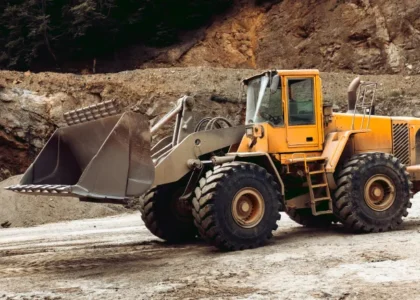
  • Wheel loaders

These are essential for infrastructure development.


Earthmoving Equipment Dealer Products

Earthmoving equipment dealers offer:

  • Backhoe loaders
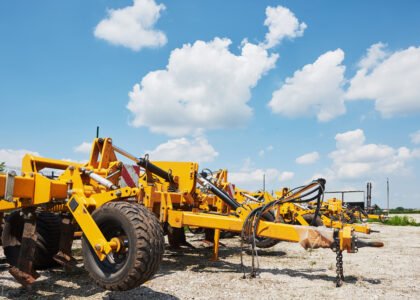
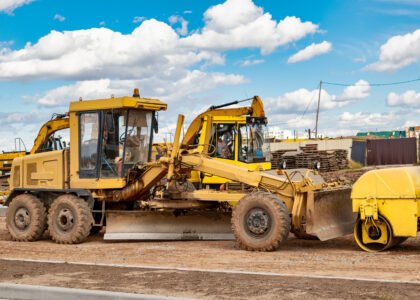
  • Motor graders
  • Compact loaders

Used in land preparation and road building.


Mining Equipment Supplier Inventory

Mining equipment suppliers provide:

  • Drilling machines
  • Mining trucks
  • Crushers

These machines are built for heavy-duty operations.


Heavy Trucks Trader Options

Heavy trucks traders supply:

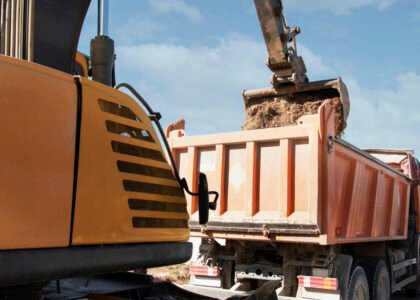
  • Dump trucks
  • Cement mixers
  • Transport trucks

Important for logistics and construction.


Industrial Machine Sales and Equipment

Industrial machine sales include:

  • Generators
  • Air compressors
  • Manufacturing machines

Used in factories and industries.


Used Heavy Machinery: Smart Investment Choice

Buying used heavy machinery is a cost-effective solution for many businesses.

Advantages

  • Lower investment cost
  • Faster availability
  • Reliable performance

Things to Consider

  • Equipment condition
  • Maintenance history
  • Certification

H&A Trading ensures all used equipment is properly inspected.

Machinery Export Service: How It Works

A machinery export service simplifies global trade by managing:

  • Export documentation
  • Customs clearance
  • Shipping coordination
  • Delivery tracking

This ensures a smooth experience for buyers worldwide.


Equipment Auction Platform Benefits

An equipment auction platform allows businesses to:

  • Find affordable machinery
  • Compare multiple options
  • Access rare equipment

This is ideal for businesses with budget constraints.


Heavy Industrial Equipment Market Trends

The heavy industrial equipment market is growing due to:

  • Infrastructure development
  • Industrial expansion
  • Increased global trade

Latest Trends

  • Online equipment marketplaces
  • Automation and smart machinery
  • Eco-friendly equipment

Construction Equipment Export Opportunities

Construction equipment export helps businesses:

  • Expand globally
  • Increase profits
  • Reach new customers

H&A Trading supports global expansion through efficient export services.


Industrial Vehicle Trader and Market Growth

Industrial vehicle traders play a key role in supplying vehicles used in logistics, construction, and manufacturing. Demand continues to grow as industries expand worldwide.


How to Choose the Right Heavy Equipment Supplier

Check Experience

Choose a supplier with proven industry experience.

Verify Equipment Quality

Ensure machines meet international standards.

Compare Pricing

Evaluate multiple suppliers for the best value.

Check Logistics Support

Reliable delivery services are essential.

What Are the Best Heavy Equipment Solutions from a Worldwide Heavy Duty Equipment Trader?

Equipment TypeKey FeaturesBest Use CaseBenefits
ExcavatorsHigh digging power, versatile attachmentsConstruction & infrastructureIncreased productivity and precision
BulldozersStrong pushing force, durable buildLand clearing & site prepEfficient earthmoving and leveling
Dump TrucksLarge load capacity, heavy-duty designMaterial transportFaster and cost-effective hauling
CranesHigh lifting capacity, advanced controlsLifting & construction projectsSafe and precise heavy lifting
Wheel LoadersFast loading, multi-purpose useMaterial handlingImproved operational efficiency
Motor GradersPrecision grading, smooth finishRoad constructionAccurate surface leveling
Backhoe LoadersDual functionality (digging + loading)Small to medium projectsCost-effective and versatile
Drilling MachinesHigh performance, durableMining & excavationReliable deep drilling operations
Air CompressorsContinuous power supplyIndustrial applicationsSupports multiple operations
GeneratorsStable energy outputBackup & remote sitesEnsures uninterrupted operations

What does a worldwide heavy duty equipment trader like H&A Trading do?

A worldwide heavy duty equipment trader like H&A Trading connects global buyers and sellers, offering reliable heavy machinery and complete trading solutions.

In the evolving global market, partnering with a worldwide heavy duty equipment trader like H&A Trading ensures businesses stay competitive and efficient. Companies today rely on a trusted heavy equipment trader to access high-quality machines without delays. Whether working with a construction machinery seller or an industrial equipment trader, having global access simplifies procurement and improves project timelines. A reliable heavy equipment supplier not only provides machines but also supports long-term operations through spare parts and maintenance solutions. Many businesses prefer sourcing from a global machinery dealer because it offers better pricing and a wider range of equipment compared to local markets. Additionally, an experienced industrial vehicle trader helps industries secure the right transport and operational vehicles for their needs. With the rise of digital platforms, businesses now explore options through an equipment auction platform to find cost-effective deals. At the same time, construction vehicle sales and industrial machine sales continue to grow due to increasing global demand. By working with experts in machinery export service, companies can easily manage international shipping and compliance, making global equipment trading more accessible and efficient than ever before. Understanding the Global Equipment Trading Ecosystem The global trade of large-scale machinery has evolved significantly over the past decade. With advancements in digital technology, logistics, and international trade agreements, businesses can now source equipment from almost any part of the world with ease. This transformation has opened new opportunities for companies looking to expand their operations while maintaining cost efficiency. One of the most important aspects of this ecosystem is connectivity. Buyers and sellers are no longer limited by geography. Instead, they operate within a connected network that allows real-time communication, faster decision-making, and better transparency. This ensures that companies can make informed purchasing decisions based on accurate and up-to-date information. Another key factor is the availability of detailed product information. Today, businesses expect complete specifications, usage history, and performance data before making a purchase. This level of transparency builds trust and reduces risks associated with international transactions. How Digital Transformation is Changing Equipment Trading Digital platforms have revolutionized the way machinery is bought and sold. Online marketplaces allow businesses to compare options, evaluate prices, and connect directly with sellers. This eliminates the need for multiple intermediaries and reduces overall transaction costs. Virtual inspections and video demonstrations are becoming common practices. Buyers can now assess the condition of equipment remotely, saving time and travel expenses. Advanced tools such as augmented reality and 3D visualization further enhance the buying experience. Automation also plays a crucial role. Many platforms use intelligent algorithms to recommend equipment based on user preferences, project requirements, and budget constraints. This simplifies the decision-making process and ensures better outcomes. Additionally, secure payment systems and digital contracts provide confidence in cross-border transactions. These innovations make global trade more accessible, even for small and medium-sized businesses. Importance of Quality Assurance in Equipment Trading Quality assurance is a critical factor when purchasing large machinery. Equipment must meet safety standards and perform efficiently under demanding conditions. Reliable sellers prioritize inspections, certifications, and proper documentation to ensure product quality. Pre-delivery inspections help identify potential issues before shipment. These inspections are usually conducted by experienced professionals who evaluate the machine’s condition, functionality, and compliance with industry standards. Maintenance records also play an important role. A well-documented service history indicates that the equipment has been properly maintained, which reduces the risk of unexpected breakdowns. Certifications from recognized organizations further enhance credibility. These certifications confirm that the equipment meets specific performance and safety requirements, making it suitable for international use. Logistics and Transportation in Global Trade Transporting large machinery across borders is a complex process that requires careful planning and coordination. Logistics providers play a vital role in ensuring that equipment is delivered safely and on time. The process begins with proper packaging and loading. Equipment must be secured to prevent damage during transit. Specialized containers and transport vehicles are often used to handle heavy loads. Shipping methods vary depending on the size, weight, and destination of the equipment. Sea freight is commonly used for long-distance transport, while road and rail options are suitable for regional deliveries. Customs clearance is another important step. Proper documentation, including invoices, certificates, and permits, is required to avoid delays. Experienced logistics providers handle these processes efficiently, ensuring smooth delivery. Tracking systems allow buyers to monitor shipments in real time. This transparency provides peace of mind and helps businesses plan their operations accordingly. Cost Factors in Equipment Procurement Understanding the cost structure is essential for making informed purchasing decisions. The total cost of acquiring machinery includes several components beyond the initial purchase price. Shipping and handling costs can vary significantly depending on the distance and mode of transport. Import duties and taxes also contribute to the overall expense. These costs differ from country to country and must be considered during budgeting. Maintenance and operational costs are equally important. Fuel consumption, spare parts, and servicing requirements impact the long-term value of the equipment. Businesses should evaluate these factors to ensure sustainability. Financing options are available to support large investments. Leasing and installment plans allow companies to manage their cash flow while acquiring the necessary equipment. Sustainability in Equipment Trading Sustainability is becoming a major focus in the global market. Companies are increasingly adopting eco-friendly practices to reduce their environmental impact. Modern machinery is designed to be more energy-efficient and produce lower emissions. This not only helps protect the environment but also reduces operating costs. Reusing and refurbishing equipment is another sustainable approach. Extending the lifespan of machinery minimizes waste and maximizes resource utilization. Many organizations are also implementing recycling programs for old equipment. This ensures that materials are reused effectively, reducing the need for new raw materials. Sustainable practices are not only beneficial for the environment but also enhance a company’s reputation and compliance with international regulations. Risk Management in International Transactions Global trade involves certain risks, including payment issues, delays, and quality concerns. Effective risk management strategies help minimize these challenges. One of the most important steps is verifying the credibility of sellers. Background checks, reviews, and certifications provide valuable insights into their reliability. Using secure payment methods ensures that funds are protected during transactions. Escrow services are commonly used to hold payments until the buyer confirms satisfaction with the equipment. Clear contracts and agreements are essential. These documents outline the terms and conditions, including delivery timelines, payment schedules, and dispute resolution mechanisms. Insurance coverage provides additional protection against potential losses during transportation. This ensures that businesses are financially safeguarded in case of unexpected events. Future Trends in Equipment Trading The future of equipment trading is shaped by innovation and technological advancements. Emerging trends are transforming the industry and creating new opportunities. Artificial intelligence is being used to analyze market data and predict demand. This helps businesses make strategic decisions and stay ahead of competitors. Blockchain technology is enhancing transparency and security in transactions. It provides a decentralized system for recording and verifying data, reducing the risk of fraud. Automation is improving efficiency in both manufacturing and trading processes. Smart machinery equipped with sensors and connectivity features allows real-time monitoring and maintenance. The integration of renewable energy sources is another important trend. Equipment powered by alternative energy reduces dependence on fossil fuels and supports sustainability goals. Building Long-Term Business Relationships Successful trading is not just about transactions; it is about building strong relationships. Trust and reliability are key factors in establishing long-term partnerships. Open communication helps both parties understand expectations and resolve issues effectively. Regular updates and feedback contribute to a positive working relationship. Consistency in quality and service builds confidence among clients. Businesses that deliver on their promises are more likely to retain customers and gain referrals. After-sales support is another important aspect. Providing assistance with installation, maintenance, and troubleshooting ensures customer satisfaction. Long-term partnerships lead to mutual growth and success. They create opportunities for collaboration and expansion in new markets. Improving Operational Efficiency with the Right Equipment Choosing the right machinery has a direct impact on productivity and efficiency. Equipment must be suitable for the specific requirements of each project. Proper training is essential for maximizing performance. Skilled operators can use machinery effectively, reducing downtime and increasing output. Regular maintenance ensures that equipment remains in optimal condition. Preventive maintenance helps identify issues early and prevents costly repairs. Technology integration further enhances efficiency. Features such as automation, remote monitoring, and data analysis improve performance and decision-making. Efficient operations lead to higher profitability and better project outcomes. Global Market Opportunities The global market offers numerous opportunities for businesses looking to expand. Emerging economies are investing heavily in infrastructure and industrial development, creating demand for machinery. Companies that explore international markets can benefit from increased sales and diversification. Expanding into new regions reduces dependence on local markets and enhances resilience. Understanding local regulations and market conditions is essential for success. Businesses must adapt their strategies to meet the specific needs of each region. Collaboration with local partners can provide valuable insights and support. These partnerships help navigate challenges and ensure smooth operations. Global expansion requires careful planning and execution, but it offers significant rewards for businesses willing to invest in growth. Conclusion The global machinery trading industry continues to evolve, driven by technology, innovation, and increasing demand. Businesses that adapt to these changes can gain a competitive advantage and achieve long-term success. By focusing on quality, efficiency, and sustainability, companies can make informed decisions and maximize their investments. Strong partnerships, reliable logistics, and effective risk management further contribute to successful operations. As the market continues to grow, opportunities for expansion and innovation will increase. Businesses that stay informed and embrace new trends will be well-positioned to thrive in this dynamic environment. The Role of Innovation in Modern Equipment Solutions Innovation continues to shape how businesses operate in industries that depend on large-scale machinery. Companies are no longer just looking for basic functionality; they want smarter, faster, and more efficient solutions. Modern equipment is now designed with advanced features that improve productivity while reducing operational costs. One of the most significant advancements is the integration of smart technology. Machines equipped with sensors can monitor performance in real time, providing valuable insights into usage patterns, fuel efficiency, and maintenance needs. This data-driven approach helps businesses make informed decisions and avoid unexpected downtime. Automation is another major development. Automated systems reduce the need for manual intervention, increasing accuracy and safety. This is especially important in high-risk environments where precision and reliability are critical. Enhancing Safety Standards Across Industries Safety remains a top priority in industries that rely on heavy machinery. Modern equipment is designed with enhanced safety features to protect operators and workers on-site. These features include advanced braking systems, stability controls, and emergency shut-off mechanisms. Training also plays a vital role in maintaining safety standards. Proper training ensures that operators understand how to use equipment correctly and respond to potential hazards. Many companies invest in regular training programs to keep their workforce updated on best practices. In addition, strict compliance with international safety regulations ensures that equipment meets required standards. This reduces the risk of accidents and promotes a safe working environment. The Importance of Maintenance and Lifecycle Management Proper maintenance is essential for ensuring the longevity and performance of machinery. Regular servicing helps identify potential issues early, preventing costly repairs and downtime. Businesses that follow a structured maintenance plan can extend the lifespan of their equipment significantly. Lifecycle management involves tracking the performance of machinery from purchase to disposal. This includes monitoring usage, scheduling maintenance, and planning replacements. Effective lifecycle management ensures that equipment remains efficient and reliable throughout its operational life. Predictive maintenance is becoming increasingly popular. By analyzing data collected from sensors, businesses can predict when maintenance is needed, reducing the risk of unexpected failures. Adapting to Changing Market Demands Market demands are constantly evolving, and businesses must adapt to stay competitive. Industries such as construction, mining, and manufacturing experience fluctuations in demand based on economic conditions, technological advancements, and global trends. Flexibility is key to adapting to these changes. Businesses that can quickly adjust their operations and equipment usage are better positioned to handle market shifts. This may involve upgrading machinery, expanding capabilities, or exploring new markets. Staying informed about industry trends and customer needs is essential. Companies that anticipate changes can make proactive decisions and maintain a competitive edge. The Role of Skilled Workforce in Equipment Operations A skilled workforce is critical for maximizing the performance of machinery. Operators must have the knowledge and expertise to handle equipment safely and efficiently. Training programs help develop these skills and ensure that workers are prepared for various challenges. Continuous learning is important in a rapidly evolving industry. As technology advances, operators must stay updated on new features and functionalities. This enables them to use equipment effectively and improve productivity. Team collaboration also plays a role in successful operations. Coordinated efforts between operators, maintenance teams, and management ensure smooth workflows and better outcomes. Cost Optimization Strategies for Businesses Managing costs effectively is a key priority for businesses. Optimizing expenses without compromising quality or performance requires careful planning and strategic decision-making. One approach is to evaluate the total cost of ownership. This includes not only the purchase price but also operational and maintenance costs. Understanding these factors helps businesses make informed investment decisions. Energy efficiency is another important consideration. Equipment that consumes less fuel or energy reduces operating expenses and supports sustainability goals. Bulk purchasing and long-term partnerships can also lead to cost savings. Businesses that establish strong relationships with suppliers often benefit from better pricing and favorable terms. Environmental Responsibility and Sustainable Practices Sustainability is becoming increasingly important in today’s business environment. Companies are taking steps to reduce their environmental impact and adopt eco-friendly practices. Modern machinery is designed to meet stricter emission standards, reducing pollution and conserving energy. This not only benefits the environment but also helps businesses comply with regulations. Recycling and reusing materials is another sustainable approach. By extending the lifecycle of equipment and components, businesses can minimize waste and reduce costs. Sustainable practices also enhance a company’s reputation. Customers and partners are more likely to work with organizations that prioritize environmental responsibility. The Impact of Globalization on Equipment Trading Globalization has significantly influenced how businesses operate. Access to international markets allows companies to expand their reach and explore new opportunities. Cross-border trade enables businesses to source equipment from regions where it is more affordable or readily available. This increases efficiency and reduces costs. However, globalization also brings challenges, such as regulatory compliance and cultural differences. Businesses must navigate these complexities to succeed in international markets. Collaboration with experienced partners helps overcome these challenges. Local expertise and knowledge of regulations ensure smooth operations and compliance. Leveraging Technology for Better Decision-Making Technology plays a crucial role in improving decision-making processes. Data analytics provides valuable insights into performance, trends, and opportunities. Businesses can use this information to optimize operations, reduce costs, and improve efficiency. For example, analyzing usage data helps identify underutilized equipment, allowing companies to allocate resources more effectively.