Industrial Spare Parts Trading Company

At H&A Trading, we have built a reputation as a dependable Industrial Spare Parts Trading Company, serving clients across the globe. Whether you operate in manufacturing, heavy machinery, automation, or engineering sectors, access to reliable industrial spare parts and machinery components is critical for maintaining seamless operations.

In today’s fast-paced industrial world, downtime can cost companies thousands of dollars daily. That’s why businesses rely on H&A Trading to supply high-quality industrial equipment supplies, mechanical components, and engineering spare parts. Our comprehensive inventory, expert advice, and global delivery options ensure you never compromise on quality or efficiency.

From electrical spare parts to hydraulic components, H&A Trading is your one-stop solution for all industrial needs.

Understanding Industrial Spare Parts: Importance and Applications

Industrial spare parts are the backbone of manufacturing, construction, and automation industries. Without high-quality components, machinery downtime can lead to lost productivity, safety hazards, and increased operational costs.

Applications of Industrial Spare Parts

  1. Manufacturing Plants – Maintaining machines like CNCs, conveyors, and stamping presses.

  2. Automation Systems – Supporting robotics and automated production lines with automation spare parts.

  3. Heavy Machinery – Construction equipment, loaders, and excavators require robust heavy equipment parts.

  4. Electrical Systems – Motors, switches, and control panels rely on reliable electrical spare parts.

  5. Pneumatic & Hydraulic Systems – Cylinders, pumps, and valves depend on pneumatic components and hydraulic spare parts.

Reliable spare parts reduce downtime, enhance efficiency, and prolong the life of machinery.
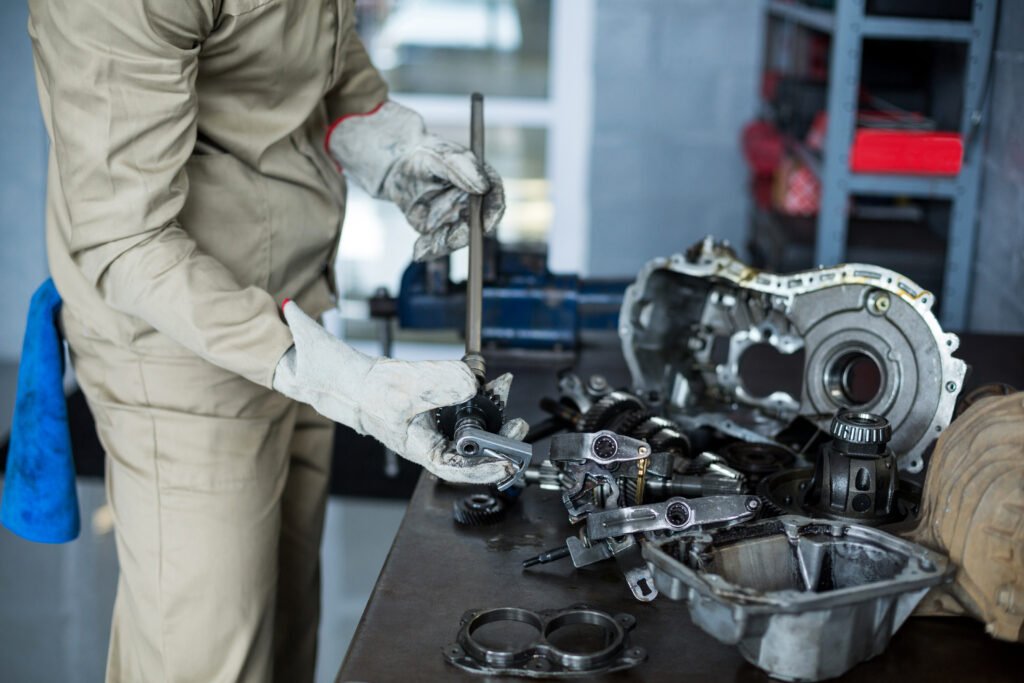
Industrial Spare Parts Trading Company

Why Choose H&A Trading for Industrial Spare Parts Trading?

Selecting the right industrial spare parts supplier is more than just sourcing products; it’s about ensuring long-term efficiency, safety, and reliability. Here’s why H&A Trading stands out:

1. Extensive Product Range

We offer a broad selection of products, including:

  • Industrial Equipment Supplies

  • Machinery Spare Parts

  • Mechanical Components

  • Engineering Spare Parts

  • Automation Spare Parts

  • Heavy Equipment Parts

Whether you need industrial bearings, industrial valves, or OEM spare parts, H&A Trading ensures you find exactly what you’re looking for.

2. Global Reach

We serve industries worldwide, providing fast and secure shipping. No matter where your operations are located, our industrial hardware and factory maintenance supplies reach you on time.

3. Quality Assurance

Quality is at the core of everything we do. Each component, whether a pneumatic component or a hydraulic spare part, is tested rigorously to ensure durability, performance, and compliance with international standards.

4. Expert Support

Our team of industry professionals assists clients in choosing the right industrial machine components and mechanical tools, helping you make informed decisions that reduce downtime and enhance productivity.

5. Cost Efficiency

With competitive pricing and bulk order options, H&A Trading provides cost-effective solutions that do not compromise quality.

Product Categories Offered by H&A Trading

Industrial Spare Parts Trading

Our core offering is the supply of industrial spare parts for a wide range of equipment and machinery. From gearboxes to bearings, we ensure compatibility and longevity for industrial operations.

Industrial Equipment Supplies

H&A Trading’s industrial equipment supplies cover all essentials for factory operations, including:

  • Tools for maintenance and repair

  • Automation spare parts

  • Industrial fasteners and hardware

Machinery Spare Parts

We provide an extensive selection of machinery spare parts to meet the needs of various industries:

  • Hydraulic pumps and cylinders

  • Industrial gearboxes

  • Electrical motors and switches

  • Bearings and valves

Mechanical Components and Engineering Spare Parts

Our mechanical components are precision-engineered to meet industry standards. We supply engineering spare parts that are suitable for OEM machinery as well as aftermarket solutions.

Industrial Tools Supplier

As a trusted industrial tools supplier, H&A Trading provides tools for:

  • Installation and repair

  • Mechanical and electrical maintenance

  • Automation and factory operations

Specialized Industrial Components

  • Electrical Spare Parts – Ensuring safe and efficient electrical systems

  • Pneumatic Components – Cylinders, valves, and compressors for smooth operation

  • Hydraulic Spare Parts – Pumps, hoses, and motors for hydraulic systems

  • Industrial Bearings & Valves – High-performance components for precision machinery


Benefits of Partnering with H&A Trading

Partnering with H&A Trading provides tangible benefits to industrial businesses worldwide:

1. Reduced Downtime

Quick access to high-quality industrial machine components ensures uninterrupted production and fewer breakdowns.

2. Cost Efficiency

Competitive pricing and bulk order options help businesses save on operational costs without sacrificing quality.

3. Quality Assurance

Every component, from industrial fasteners to hydraulic spare parts, undergoes rigorous testing to guarantee reliability.

4. Expert Advice

Our experienced team helps clients select the most suitable automation spare parts and mechanical components, reducing errors and maintenance costs.

5. Global Delivery

We provide worldwide shipping, ensuring timely delivery of industrial tools, machinery spare parts, and equipment supplies.


Features of H&A Trading Products

  • Durable Materials – Built to withstand heavy industrial use

  • Precision Engineering – Components manufactured to international standards

  • Wide Compatibility – Works with most industrial machinery brands

  • OEM & Aftermarket Options – Flexible solutions for all budgets

What Are the Key Focus Areas for Industrial Spare Parts Management?

Focus AreaKey ActionsBenefitsTools & Methods
Preventive MaintenanceRegular inspections, lubrication, minor repairsFewer breakdowns, longer equipment lifeChecklists, schedules
Inventory ManagementTrack usage, organize stockReduced downtime, cost controlInventory software, labeling
Workforce TrainingSkill development, safety protocolsBetter troubleshooting, safer operationsTraining programs, manuals
Technology IntegrationMonitoring, data analysisEarly issue detection, optimized maintenanceSensors, digital logs
Safety & ComplianceAudits, protective gearFewer accidents, legal complianceSafety checklists, PPE

What makes H&A Trading a reliable Industrial Spare Parts Trading Company?

H&A Trading is recognized globally for supplying high-quality industrial spare parts and machinery components, backed by expert support and fast delivery.

Industrial Spare Parts Trading Company Industrial Spare Parts Trading Industrial Equipment Supplies Introduction to Industrial Operations and Maintenance Industrial operations form the backbone of the global economy, powering everything from manufacturing to energy production. The efficiency and reliability of these operations depend heavily on the condition and availability of machinery and components. Equipment failures not only lead to production delays but also incur significant repair costs, safety risks, and potential revenue loss. Preventive maintenance has become a cornerstone of modern industrial management. By regularly inspecting machinery, replacing worn-out components, and maintaining tools and equipment, businesses can reduce unplanned downtime and extend the lifespan of their assets. However, maintaining industrial operations is a complex challenge that requires strategic planning, skilled personnel, and access to high-quality tools and equipment. The industrial supply chain also plays a critical role in maintaining operational efficiency. Timely procurement, quality control, and logistics management ensure that components and tools are available when needed. Businesses that prioritize maintenance and supply chain optimization are better equipped to navigate challenges and sustain long-term growth. Understanding Machinery and Components Modern industrial machinery relies on an intricate network of components that must work in harmony to ensure optimal performance. Understanding the function and maintenance of these components is essential for industrial success. Mechanical Components: Bearings, gears, shafts, and couplings are the foundation of mechanical systems. Regular inspection, lubrication, and replacement of worn parts prevent mechanical failures and improve efficiency. Electrical Components: Motors, switches, sensors, and control panels form the nervous system of industrial operations. Ensuring proper calibration, wiring, and testing of these components prevents electrical malfunctions and improves energy efficiency. Hydraulic and Pneumatic Systems: Hydraulic pumps, cylinders, valves, and pneumatic compressors are critical for powering machinery that relies on fluid and air pressure. Monitoring system pressure, fluid quality, and component wear can prevent costly failures. Automation Integration: Robotics and automated assembly lines require precise synchronization of mechanical, electrical, and hydraulic systems. Understanding these systems and their maintenance needs is essential for uninterrupted production. The Role of Maintenance Tools and Equipment Effective maintenance relies not just on spare parts but also on the proper tools and equipment. Essential tools include torque wrenches, calibration devices, diagnostic instruments, and specialized repair kits. Calibration and Repair: Regular calibration ensures accuracy in machinery, especially for high-precision manufacturing. Repair protocols must be standardized to maintain safety and prevent further damage. Safety Considerations: Industrial maintenance is inherently risky. Proper protective equipment, adherence to safety protocols, and ongoing training help reduce workplace accidents and ensure personnel safety. Benefits of Systematic Spare Parts Management Proper management of spare parts is critical for industrial efficiency. Organizations that maintain structured inventories, track usage patterns, and forecast needs can achieve several benefits: Reduced Downtime: Ready availability of critical components prevents prolonged production halts. Cost Savings: Bulk procurement and efficient inventory reduce emergency purchases and premium shipping costs. Improved Planning: Predictive inventory models allow companies to plan maintenance schedules in advance. Structured spare parts management also supports sustainability by reducing waste, optimizing component usage, and extending machinery life cycles. Industry Case Studies Manufacturing Sector: A high-volume electronics assembly line relied on precise electrical and mechanical components. Scheduled maintenance and proactive replacement of key components reduced downtime by 35%, increasing overall productivity. Construction Sector: A company operating excavators and loaders faced frequent hydraulic failures. By implementing preventive maintenance protocols and maintaining a structured inventory, machinery uptime improved, and repair costs decreased significantly. Automation Industry: Robotics in a packaging facility required precise alignment and calibration of components. Training personnel and integrating monitoring systems ensured high reliability and minimal production interruptions. Electrical Infrastructure: Power plants and distribution facilities rely heavily on motors, switches, and control panels. Regular inspections and timely component replacements ensured operational safety and efficiency. Future Trends in Industrial Equipment Management The industrial sector is rapidly evolving with technological advancements. Key trends shaping the future include: Industry 4.0: Smart factories with interconnected machinery and real-time monitoring. Predictive Maintenance: Using IoT sensors and AI to forecast component failures before they occur. Sustainable Materials: Adoption of eco-friendly components and energy-efficient systems. Digital Supply Chains: E-procurement and real-time inventory tracking streamline operations and reduce delays. Companies embracing these trends are better prepared to maintain high efficiency, minimize downtime, and adapt to changing market demands. Training and Workforce Development Skilled personnel are critical for industrial reliability. Training programs focusing on mechanical, electrical, and automation systems ensure employees can manage machinery effectively. Safety protocols, troubleshooting techniques, and proper use of tools further enhance workforce competence. Safety and Compliance Industrial operations must comply with regulatory standards for machinery, equipment, and workplace safety. Regular audits, safety checks, and environmental considerations help prevent accidents, protect employees, and ensure legal compliance. Global Supply Chain Insights Sourcing components from global suppliers requires careful planning. Timely logistics, quality checks, and inventory strategies ensure smooth operations, especially for multinational industrial companies. Understanding lead times, customs regulations, and shipping risks is crucial for efficient global supply chain management. Common Challenges and Solutions Downtime due to Component Failure: Implement preventive and predictive maintenance programs. Compatibility Issues: Maintain detailed records of machinery models and compatible components. Budget Management: Forecast procurement needs and prioritize essential components. By anticipating challenges and planning solutions, industrial operations can maintain efficiency and minimize disruptions. Conclusion: Building Long-Term Industrial Reliability Long-term industrial success requires a combination of high-quality components, structured maintenance, skilled personnel, and robust supply chain management. Companies that focus on these areas are better positioned to reduce downtime, optimize costs, and adapt to future technological changes. Strategic planning, continuous training, and proactive maintenance are the keys to sustainable industrial operations. Advanced Strategies for Industrial Maintenance Industrial maintenance is no longer just reactive; modern operations require strategic, data-driven approaches to ensure machinery runs smoothly and efficiently. Organizations that adopt proactive maintenance strategies enjoy reduced downtime, lower costs, and higher productivity. Predictive Maintenance Techniques Predictive maintenance uses sensors, analytics, and historical data to anticipate equipment failures before they happen. By tracking vibration, temperature, pressure, and other performance metrics, maintenance teams can intervene only when necessary, avoiding unnecessary replacements and unexpected breakdowns. Benefits of Predictive Maintenance: Minimizes unexpected downtime Extends machinery life Reduces maintenance costs Optimizes resource allocation Industries like manufacturing, energy, and logistics have successfully implemented predictive maintenance to monitor critical equipment, including motors, pumps, and hydraulic systems. Preventive Maintenance Scheduling Preventive maintenance is a scheduled approach to machinery care. It includes inspections, lubrication, calibration, and timely replacement of components. A well-structured preventive maintenance plan can: Prevent minor issues from becoming major failures Ensure compliance with safety and regulatory standards Improve equipment efficiency and productivity Organizations can leverage digital tools to create calendars, track maintenance tasks, and automate reminders for periodic inspections. Component Life Cycle Management Every machinery component has a finite life cycle. Tracking the lifespan of mechanical, electrical, and hydraulic components allows businesses to plan replacements proactively. Key Practices in Component Life Cycle Management: Maintain accurate inventory records of all critical parts. Monitor performance metrics for early signs of wear or failure. Schedule replacements before failure to avoid downtime. Keep a log of past maintenance for trend analysis. This approach is particularly useful for industries using high-value equipment where failures can result in significant financial losses. Safety and Risk Management Safety is paramount in industrial operations. Implementing structured safety programs helps prevent accidents and ensures regulatory compliance. Key practices include: Regular safety audits of machinery and equipment Training personnel in handling mechanical and electrical components Using protective gear and safety equipment during maintenance Creating emergency response plans for equipment failures By prioritizing safety, businesses protect their workforce while maintaining operational efficiency. Inventory Optimization Strategies Efficient spare parts inventory management is essential for minimizing operational disruptions. Overstocking can tie up capital, while understocking can lead to downtime. Techniques for Inventory Optimization: ABC Analysis: Categorize parts based on criticality and usage frequency Just-in-Time (JIT): Align procurement with immediate needs to reduce holding costs Digital Inventory Systems: Use software to track stock levels, reorder points, and supplier lead times Vendor-Managed Inventory: Collaborate with suppliers to maintain optimal stock levels Adopting these strategies ensures businesses have the right parts at the right time without incurring unnecessary costs. Energy Efficiency and Sustainability Modern industries are increasingly focused on sustainability and energy efficiency. Properly maintained machinery consumes less energy and produces fewer emissions. Strategies to Enhance Sustainability: Replace worn-out components with energy-efficient alternatives Optimize hydraulic and pneumatic systems to reduce waste Monitor electrical systems to prevent energy losses Recycle materials and components wherever possible Sustainable practices not only reduce environmental impact but also lead to long-term cost savings. Workforce Training and Development The effectiveness of industrial operations depends heavily on skilled personnel. Investing in training programs ensures employees can handle maintenance tasks efficiently and safely. Training Focus Areas: Mechanical and electrical system troubleshooting Hydraulic and pneumatic system maintenance Automation and robotics operation Safety protocols and compliance training Continuous learning programs also improve employee morale and reduce the likelihood of costly errors. Case Studies: Real-World Applications Manufacturing Sector A large-scale assembly plant implemented a predictive maintenance program for its conveyor systems. By monitoring vibration and temperature data, the plant reduced unscheduled downtime by 30% and increased production efficiency. Energy Sector A hydroelectric plant upgraded its turbines and pumps, implementing preventive maintenance schedules. With proper component life cycle tracking, they extended equipment lifespan and reduced emergency repair costs. Logistics and Warehousing Automated storage and retrieval systems depend on hydraulic lifts and motors. By maintaining an organized inventory of spare components and scheduling regular inspections, the facility achieved near-continuous operational uptime. Automotive Industry An automotive assembly line faced frequent electrical failures. Installing condition-monitoring sensors on motors and switches allowed early detection of faults, preventing costly stoppages and enhancing overall productivity. Advanced Technologies in Industrial Operations The industrial sector is increasingly adopting technology to optimize performance: Internet of Things (IoT): Real-time monitoring of machinery for predictive maintenance. Artificial Intelligence (AI): Algorithms to analyze operational data and detect inefficiencies. Digital Twins: Virtual models of machinery to simulate and optimize performance before physical interventions. 3D Printing: On-demand production of spare components for faster repair times. Robotics: Automated handling of maintenance tasks in hazardous environments. These innovations enable companies to reduce costs, improve safety, and maintain high operational efficiency. Challenges in Industrial Maintenance Despite advanced tools and strategies, industrial operations face common challenges: Component Compatibility: Mixing old and new machinery parts can create operational issues. Supply Chain Disruptions: Delays in receiving critical components can halt production. Skill Shortages: Lack of trained personnel can result in incorrect maintenance or downtime. Budget Constraints: Balancing maintenance costs with operational needs is a constant challenge. Proactive planning, training, and strategic procurement are key solutions to these challenges. Global Trends and Future Outlook Automation and Smart Factories: Adoption of robotics and AI for maintenance and production. Predictive and Prescriptive Maintenance: Using analytics to forecast and prevent issues. Sustainability Initiatives: Incorporating eco-friendly materials and energy-efficient systems. Digital Supply Chains: E-procurement and inventory management for global operations. Workforce Upskilling: Continuous training programs to meet evolving industrial demands. By staying ahead of these trends, businesses can maintain competitiveness and long-term operational efficiency. Improving Industrial Efficiency Through Smart Maintenance Practices In modern industrial operations, efficiency doesn’t happen by chance—it is the result of careful planning, consistent monitoring, and proactive maintenance. Unexpected equipment failures can disrupt production, cause delays, and increase costs, so a structured approach to upkeep is essential. One of the most effective strategies is preventive maintenance. Regular inspections, adjustments, and replacements help identify small issues before they become major problems. For instance, checking for wear on moving parts, monitoring pressure levels, and ensuring proper lubrication can prevent costly breakdowns. Preventive practices not only keep machinery running smoothly but also extend the overall lifespan of equipment, reducing the need for premature replacements. Another critical factor is inventory management. Having a clear system for storing and tracking essential components ensures that repairs and replacements can be performed quickly when needed. Keeping detailed records of usage patterns, reorder points, and storage locations minimizes downtime and prevents operational delays. A well-organized inventory balances availability with cost efficiency, ensuring that resources are neither overstocked nor understocked. Workforce training is equally important. Employees who understand the systems they operate and maintain are better equipped to identify subtle signs of wear, troubleshoot issues efficiently, and perform repairs safely. Training programs that focus on mechanical systems, electrical circuits, and safety protocols empower personnel to respond proactively to potential challenges, improving overall operational reliability. Finally, adopting technology-driven solutions can enhance efficiency across all levels. Digital monitoring tools, real-time performance tracking, and data analysis allow managers to detect anomalies early, schedule maintenance intelligently, and allocate resources effectively. These tools provide insights that help prevent unexpected failures and optimize productivity without adding unnecessary labor or cost. By combining careful planning, preventive care, organized inventory, skilled personnel, and modern monitoring tools, industrial operations can run more reliably and efficiently. This approach not only reduces interruptions and operational expenses but also creates a safer and more productive work environment, allowing teams to focus on innovation and growth rather than constant firefighting.