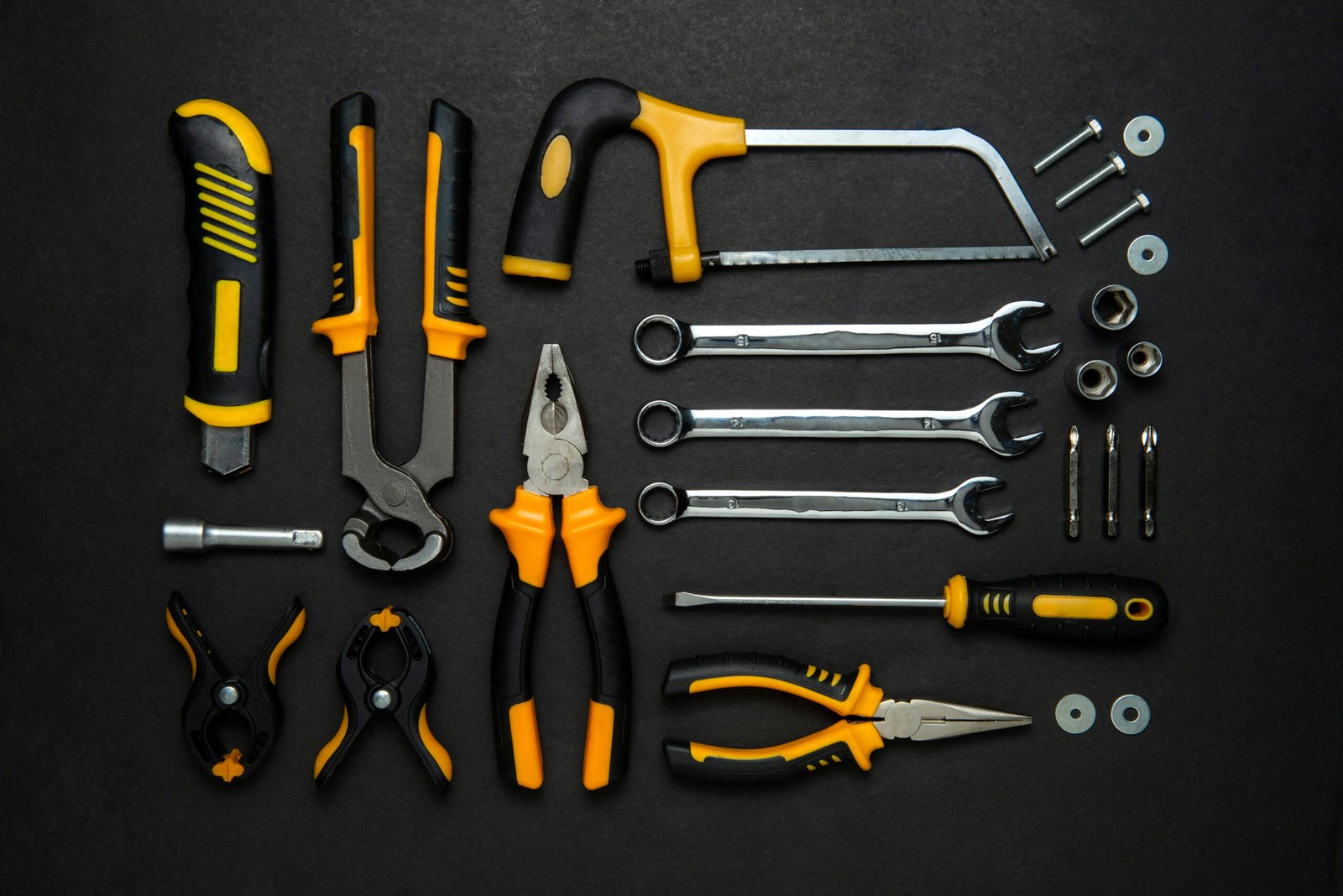
Industrial tools and hardware supplier

H&A Trading is a leading industrial tools and hardware supplier committed to providing top-quality products for industries worldwide. From durable construction equipment to precision engineering tools, we cater to all your industrial needs. Whether you are looking for a reliable power tools distributor or an experienced industrial hardware exporter, H&A Trading ensures unmatched quality, competitive prices, and prompt delivery.

As industries evolve, having access to reliable tools and hardware is essential. H&A Trading understands these demands and strives to deliver a comprehensive solution for professionals, manufacturers, and maintenance teams across the globe.

Why Choose H&A Trading as Your Industrial Tools and Hardware Supplier

Partnering with H&A Trading ensures access to a wide range of premium products backed by expert support. Here’s why we stand out:

Extensive Product Range

We offer a vast selection of products as your trusted construction tools supplier and mechanical tools supplier, including:

  • Industrial fasteners supplier products for secure assembly

  • High-quality machine tools supplier equipment

  • Precision instruments from a top precision tools supplier

  • Specialized industrial equipment supplier machinery

Global Reach and Reliability

H&A Trading operates as a leading industrial hardware exporter, delivering tools and hardware solutions worldwide. Our logistics network ensures timely deliveries, making us a dependable partner for companies of all sizes.

Commitment to Quality

Quality is the cornerstone of our business. As a hardware tools manufacturer and distributor, we ensure every product meets strict industrial standards. Our tools are tested for durability, performance, and safety, ensuring consistent results for our clients.
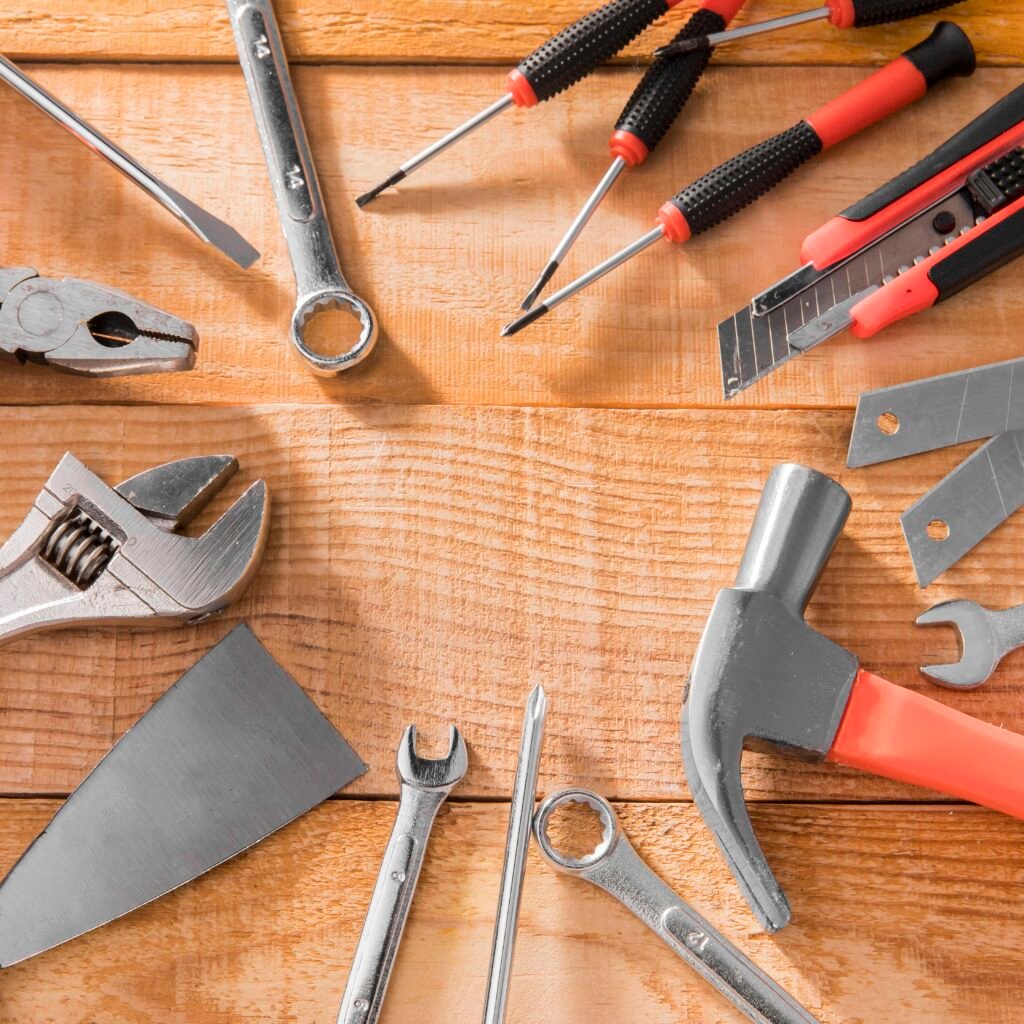
Industrial tools and hardware supplier

Why H&A Trading is Your Trusted Industrial Tools and Hardware Supplier

Benefits of Working with H&A Trading

Choosing H&A Trading as your industrial tools and hardware supplier comes with multiple advantages:

Comprehensive Industrial Solutions

We are not just a cutting tools supplier or automotive tools distributor; we provide end-to-end industrial solutions. From industrial safety tools supplier gear to electrical tools supplier essentials, we cater to every industrial requirement.

Cost-Effective and Reliable

Our partnerships with manufacturers and wholesalers allow us to act as a trusted hardware wholesale supplier, offering competitive pricing without compromising quality.

Expert Support and Guidance

Our experienced team helps clients choose the right tools, including pneumatic tools supplier, industrial maintenance tools supplier, and plumbing hardware supplier products, ensuring efficient operations and optimal performance.


Key Features of H&A Trading Products

Durability and Precision

We prioritize durability and precision, whether you are sourcing from our industrial measuring tools supplier range or our metalworking tools supplier selection. Each product undergoes rigorous quality testing.

Versatility Across Industries

Our tools and hardware serve a variety of sectors, including manufacturing, automotive, construction, and engineering. Products like engineering tools distributor items or machine tools supplier equipment are designed for high performance in demanding environments.

Safety and Compliance

As a leading industrial safety tools supplier, H&A Trading ensures all tools comply with international safety standards, safeguarding both workers and equipment.


Our Product Categories

H&A Trading offers an extensive lineup of industrial tools and hardware:

  1. Power Tools: Cordless drills, grinders, and saws from a reliable power tools distributor.

  2. Mechanical Tools: Wrenches, screwdrivers, and hammers provided by our mechanical tools supplier network.

  3. Precision Tools: Calipers, micrometers, and measuring devices from our precision tools supplier catalog.

  4. Industrial Fasteners: Nuts, bolts, and specialty fasteners from our trusted industrial fasteners supplier sources.

  5. Safety Equipment: Helmets, gloves, and protective gear through our industrial safety tools supplier division.

  6. Electrical Tools: Multimeters, wire strippers, and testers from our electrical tools supplier selection.

  7. Pneumatic Tools: Compressors, air guns, and accessories supplied by our pneumatic tools supplier division.

  8. Cutting and Metalworking Tools: Industrial saws, grinders, and milling machines from our metalworking tools supplier category.

  9. Plumbing and Maintenance Tools: Pipe wrenches, fittings, and repair kits from our plumbing hardware supplier and industrial maintenance tools supplier collection.

  10. Automotive Tools: Diagnostic equipment, lifts, and hand tools through our automotive tools distributor range.


Why Our Clients Trust H&A Trading

Clients worldwide rely on H&A Trading for:

  • Competitive pricing without sacrificing quality

  • Reliable delivery and logistics

  • Expert advice from seasoned professionals

  • Comprehensive industrial solutions under one roof

What Types of Industrial Tools and Hardware Are Available?

ProductKey ItemsFeaturesUse
Power ToolsDrills, Saws, GrindersDurable, ergonomicConstruction, DIY
Mechanical ToolsWrenches, HammersPrecision, long-lastingRepair, Maintenance
Precision ToolsCalipers, GaugesAccurate, reliableEngineering, Quality Control
Safety EquipmentHelmets, GlovesProtective, certifiedWorkshops, Construction
Pneumatic & ElectricalAir Guns, MultimetersEfficient, durableManufacturing, Automotive
Plumbing & AutomotivePipe Wrenches, Diagnostic ToolsVersatile, easy to usePlumbing, Vehicle Maintenance

What products does H&A Trading offer as an industrial tools and hardware supplier?

As a leading industrial tools and hardware supplier, H&A Trading offers power tools, mechanical tools, precision measuring instruments, safety equipment, and specialized tools for construction, automotive, and engineering industries.

Why H&A Trading is Your Trusted Industrial Tools and Hardware Supplier H&A Trading is a leading industrial tools and hardware supplier, providing high-quality tools and equipment to industries worldwide. As a reliable power tools distributor and hardware wholesale supplier, we offer a comprehensive range of products designed to meet the diverse needs of construction, manufacturing, engineering, and maintenance sectors. Whether you are sourcing industrial fasteners supplier items, precision tools supplier instruments, or mechanical tools supplier equipment, H&A Trading ensures top-notch quality and dependable service. Comprehensive Industrial Solutions At H&A Trading, we go beyond being a cutting tools supplier or automotive tools distributor. Our extensive portfolio includes everything from industrial safety tools supplier gear to electrical tools supplier equipment. We are committed to delivering end-to-end industrial solutions, ensuring clients can find all essential tools under one roof. This approach simplifies procurement, improves efficiency, and reduces downtime for industrial operations worldwide. Cost-Effective and Reliable As a trusted hardware wholesale supplier, H&A Trading maintains strong relationships with manufacturers and distributors globally. This allows us to offer competitive pricing without compromising on quality. Our clients benefit from affordable access to premium industrial equipment supplier products, including machine tools supplier items and metalworking tools supplier machinery. By combining cost-effectiveness with reliability, we help businesses optimize their budgets while ensuring high-performance tools. Expert Support and Guidance Choosing the right tools for industrial applications can be challenging. H&A Trading’s experienced team provides expert guidance, helping clients select the appropriate pneumatic tools supplier, industrial maintenance tools supplier, or plumbing hardware supplier products. Our knowledgeable staff ensures that every solution is tailored to your operational needs, enhancing productivity and safety across projects. The Ultimate Guide to Industrial Tools and Hardware: Selection, Use, and Innovation Introduction In any industrial or commercial operation, the right tools and hardware are more than just instruments—they are the backbone of productivity and quality. Whether you are working in construction, manufacturing, automotive, or engineering, having access to reliable, durable, and precise tools can make a significant difference in outcomes. High-quality tools improve efficiency, reduce errors, enhance safety, and ultimately save costs by preventing downtime and equipment failure. Industrial tools have evolved significantly over the past century, moving from simple hand tools to sophisticated digital and automated equipment. This guide explores the history, types, selection criteria, maintenance practices, innovations, and future trends in industrial tools, providing a complete roadmap for professionals and businesses worldwide. The Evolution of Industrial Tools Industrial tools have come a long way from their humble beginnings. Early tools were primarily hand-operated and made from simple metals like iron and bronze. Craftsmen and workers relied on chisels, hammers, and manual saws to complete construction, metalworking, and mechanical tasks. With the industrial revolution, steam-powered and mechanically operated machines emerged, allowing for higher efficiency and precision. Factories began standardizing parts and tools, which led to consistent product quality and faster production cycles. The 20th century saw the rise of electric tools, hydraulic systems, and pneumatic equipment, revolutionizing both construction and manufacturing industries. Precision instruments like micrometers, calipers, and advanced measuring devices further improved accuracy, ensuring that components fit perfectly in high-stakes applications. Today, industrial tools are smarter, more ergonomic, and integrated with digital technologies. Wireless power tools, sensor-based measuring devices, and automated machining systems represent the cutting edge of industrial efficiency. These tools not only enhance productivity but also prioritize user safety and energy efficiency. Different Types of Industrial Tools Industrial tools can be broadly categorized based on their function and application. Understanding these categories helps businesses choose the right tools for their specific needs. Power Tools Power tools are designed to automate or assist with tasks that would otherwise require significant manual effort. Examples include drills, grinders, saws, and impact drivers. Power tools are widely used in construction, woodworking, metalworking, and automotive repair. Modern power tools are battery-operated, lightweight, and ergonomically designed to reduce operator fatigue. Hand and Mechanical Tools These tools remain essential even in highly automated environments. Wrenches, hammers, screwdrivers, pliers, and ratchets are critical for assembly, maintenance, and repair work. High-quality hand tools are designed for durability, comfort, and precision, often featuring specialized coatings or handles to improve grip and longevity. Precision and Measuring Tools Precision tools, such as calipers, micrometers, levels, and gauges, are crucial for tasks requiring exact measurements. Accurate measurements ensure components fit together correctly, reducing the risk of errors and improving product quality. Industries like aerospace, engineering, and automotive heavily rely on these tools. Safety and Maintenance Tools Safety is a fundamental aspect of industrial work. Tools designed for protective purposes—such as helmets, gloves, safety goggles, harnesses, and protective footwear—help prevent injuries. Maintenance tools, including cleaning equipment, lubricators, and inspection kits, ensure machinery operates efficiently and reduces the likelihood of breakdowns. Automotive and Construction-Specific Tools Specialized tools are essential for industries like automotive repair and construction. Automotive workshops use diagnostic devices, lifts, and specialized hand tools to service vehicles accurately. Construction sites rely on scaffolding, concrete mixers, and specialized cutting or drilling equipment to build safely and efficiently. Choosing the Right Tools for Your Business Selecting the right tools is not just about choosing the most expensive or advanced equipment—it’s about aligning tools with operational needs and long-term goals. Assessing Project Needs The first step in tool selection is evaluating the specific requirements of your projects. Consider factors such as workload, material type, precision needs, and project duration. For example, a construction project may require durable power tools for heavy-duty cutting, while an engineering workshop may prioritize precision measuring instruments. Factors to Consider: Durability, Safety, and Efficiency Durability: Tools that withstand harsh working conditions last longer and save replacement costs. Safety: Tools should meet safety standards and reduce risk to operators. Efficiency: Ergonomically designed tools and automation reduce effort, save time, and improve productivity. Cost vs. Performance Considerations While budget is always a concern, investing in reliable, high-quality tools often proves more cost-effective in the long run. Cheaper tools may fail quickly, requiring frequent replacements and causing project delays. High-performance tools, though initially more expensive, offer longevity, precision, and reduced downtime. Benefits of High-Quality Tools Using high-quality tools brings multiple benefits to any industrial operation: Improved Productivity Well-designed tools simplify tasks, reduce manual effort, and speed up work. Workers can focus on critical tasks rather than compensating for inefficient or unreliable equipment. Reduced Downtime Reliable tools decrease the likelihood of malfunctions, breakdowns, or errors, keeping production lines, construction sites, and workshops running smoothly. Enhanced Safety and Compliance Quality tools often come with built-in safety features and adhere to industry standards. Proper tools reduce the risk of accidents and ensure compliance with regulations. Maintenance and Longevity Maintaining tools is crucial for maximizing their lifespan and performance. Proper Cleaning and Storage Regular cleaning removes debris, dust, and moisture that can corrode metal parts or degrade components. Tools should be stored in dry, secure areas to prevent damage. Servicing and Calibration Mechanical and precision tools require periodic servicing and calibration to maintain accuracy. Preventive maintenance ensures tools remain reliable and safe for continued use. Lubrication and Repairs Lubricating moving parts and addressing minor repairs promptly prevents major malfunctions. Simple measures like replacing worn-out components can extend tool life significantly. Global Sourcing and Supply Chain Considerations Industries often rely on global suppliers for tools and equipment. Partnering with reliable manufacturers and distributors ensures access to high-quality products, consistent supply, and technical support. Working with Manufacturers and Distributors Building relationships with trusted suppliers allows businesses to source specialized tools efficiently. Manufacturers provide insights into tool capabilities, maintenance tips, and emerging technologies. Shipping, Customs, and Quality Assurance International procurement requires careful planning to manage shipping times, customs clearance, and quality inspections. Ensuring proper handling during transport preserves tool integrity. Innovations in Industrial Tools Technological advancements have transformed industrial tools significantly. Digital and Smart Tools Digital measuring devices, smart sensors, and connected tools provide real-time data, enhancing precision and reducing human error. Automated equipment with programmable functions further improves efficiency. Energy-Efficient Designs Modern tools are designed to reduce energy consumption, whether battery-powered, electric, or pneumatic. Energy-efficient designs lower operational costs and environmental impact. Ergonomics and Operator Comfort Ergonomically designed tools reduce operator fatigue, improve handling, and prevent repetitive strain injuries. Comfortable tools contribute to productivity and worker satisfaction. Case Studies and Industry Applications Manufacturing Sector Precision tools and automated machinery have revolutionized manufacturing, enabling high-volume production with consistent quality. Maintenance tools and safety equipment ensure machines run safely. Construction Projects Durable power tools, heavy machinery, and specialized hand tools streamline construction work. Safety equipment protects workers on challenging job sites. Automotive Workshops Diagnostic devices, lifts, and specialized repair tools improve the speed and accuracy of vehicle servicing. Maintenance tools help keep equipment operational. Engineering and Maintenance Operations Precision instruments, cutting tools, and measuring devices are critical in engineering environments. Regular maintenance ensures reliability and reduces downtime. Future of Industrial Tools The future will see further integration of automation, artificial intelligence, and digital technologies. Smart factories, predictive maintenance, and augmented reality-assisted tools will reshape how industries approach work. Sustainability and energy efficiency will also guide tool design, emphasizing longevity and environmental responsibility. Conclusion Reliable, well-maintained, and high-quality tools are essential for industrial success. They improve productivity, ensure safety, reduce downtime, and provide long-term value. By understanding tool types, selection criteria, maintenance practices, and innovations, businesses can make informed decisions and stay competitive in an evolving industrial landscape. Advanced Strategies for Selecting Industrial Tools Choosing the right tools for industrial or commercial operations requires more than just checking specifications or price tags. To maximize efficiency and safety, businesses must adopt a strategic approach that considers long-term operational goals, workforce capabilities, and the evolving needs of their industry. Understanding the Operational Environment Before investing in tools, it’s critical to assess the environment in which they will be used. Construction sites, manufacturing plants, automotive workshops, and engineering labs all present unique challenges. For example: Construction environments may involve exposure to dust, moisture, and heavy impact, requiring rugged, durable tools. Manufacturing plants often demand high-precision instruments and automated machinery for consistent product quality. Automotive workshops need specialized tools for diagnostics, repairs, and assembly, often under tight time constraints. Engineering and research labs require measurement tools and devices capable of ultra-precise readings. Understanding the specific environment ensures tools are suited to operational conditions, improving lifespan and reducing risk. Evaluating Material Compatibility Tools are often designed to handle certain materials more efficiently. For instance, cutting equipment may be optimized for wood, metals, or composites. Using a tool on an incompatible material can reduce efficiency, increase wear, and compromise safety. Businesses should consider material type, thickness, hardness, and other physical properties when selecting tools. Incorporating Operator Expertise The skill level of operators also influences tool selection. While advanced automated tools may increase efficiency, they often require training or technical expertise. Simple, ergonomic tools may be more practical in environments with a mixed skill set. Investing in operator training alongside new tools ensures maximum productivity and safety. Advanced Strategies for Selecting Industrial Tools Choosing the right tools for industrial or commercial operations requires more than just checking specifications or price tags. To maximize efficiency and safety, businesses must adopt a strategic approach that considers long-term operational goals, workforce capabilities, and the evolving needs of their industry. Understanding the Operational Environment Before investing in tools, it’s critical to assess the environment in which they will be used. Construction sites, manufacturing plants, automotive workshops, and engineering labs all present unique challenges. For example: Construction environments may involve exposure to dust, moisture, and heavy impact, requiring rugged, durable tools. Manufacturing plants often demand high-precision instruments and automated machinery for consistent product quality. Automotive workshops need specialized tools for diagnostics, repairs, and assembly, often under tight time constraints. Engineering and research labs require measurement tools and devices capable of ultra-precise readings. Understanding the specific environment ensures tools are suited to operational conditions, improving lifespan and reducing risk. Evaluating Material Compatibility Tools are often designed to handle certain materials more efficiently. For instance, cutting equipment may be optimized for wood, metals, or composites. Using a tool on an incompatible material can reduce efficiency, increase wear, and compromise safety. Businesses should consider material type, thickness, hardness, and other physical properties when selecting tools. Incorporating Operator Expertise The skill level of operators also influences tool selection. While advanced automated tools may increase efficiency, they often require training or technical expertise. Simple, ergonomic tools may be more practical in environments with a mixed skill set. Investing in operator training alongside new tools ensures maximum productivity and safety. The Role of Innovation in Modern Industrial Tools Innovation is transforming industrial tools, making them smarter, safer, and more energy-efficient. Businesses that adopt innovative tools gain a competitive advantage. Smart and Connected Tools Smart tools equipped with sensors, digital displays, and connectivity features allow operators to monitor performance in real-time. Data-driven insights help optimize workflows, predict maintenance needs, and reduce waste. Energy Efficiency and Sustainability Modern tools focus on reducing energy consumption, whether through battery optimization, reduced power requirements, or environmentally friendly materials. Sustainable tools reduce operational costs and environmental impact. Ergonomics and Operator-Friendly Designs Innovative designs prioritize operator comfort, safety, and productivity. Ergonomic handles, lightweight materials, and vibration-reducing features enhance user experience and prevent fatigue during extended operations. Future Trends in Industrial Tools The future of industrial tools is exciting, with continuous advancements shaping operational efficiency and safety. Key trends include: Automation and Robotics: Fully automated machinery and robotic tools are expected to dominate high-volume manufacturing, reducing manual intervention and increasing precision. AI and Predictive Maintenance: Artificial intelligence can predict tool failures, schedule maintenance, and optimize workflows, ensuring uninterrupted production. Augmented Reality Integration: AR-enabled tools allow operators to visualize tasks, receive guidance, and perform complex operations with minimal errors. Sustainability and Eco-Friendly Materials: Industry is shifting toward tools made from recyclable or low-impact materials to reduce environmental footprints.