https://haglobaltrade.com/international-chicken-cuts-supplier/

Choosing the right international chicken cuts supplier is critical for importers, distributors, food service companies, and wholesalers across the world. With rising global demand for safe, hygienic, and export-quality poultry products, businesses need a supplier they can trust for consistency, quality, and compliance.

H&A Trading is a globally trusted international chicken cuts supplier offering a wide range of frozen and processed chicken products to customers worldwide. We specialize in supplying premium chicken cuts that meet international food safety standards, ensuring reliable supply chains for global buyers.

As an experienced international chicken cuts supplier, we serve food distributors, hotel chains, restaurants, and importers with high-quality poultry products tailored to international market needs.

Why Choose H&A Trading as Your International Chicken Cuts Supplier

Selecting the right supplier impacts product quality, customer satisfaction, and long-term profitability. Here’s why global buyers choose H&A Trading:

Global Export Experience

We have extensive experience as a global chicken cuts exporter, supplying poultry products to multiple international markets with smooth logistics and documentation.

Export-Grade Quality Standards

As a professional international frozen poultry supplier, we follow strict hygiene, cold-chain handling, and quality control procedures to maintain freshness and safety.

Halal & Market-Specific Compliance

We are a trusted halal chicken cuts supplier global, ensuring compliance with religious, regional, and regulatory requirements.

Reliable Supply & Scalability

Whether you need small shipments or bulk volumes, H&A Trading operates as a bulk chicken meat supplier international, capable of scaling supply efficiently.
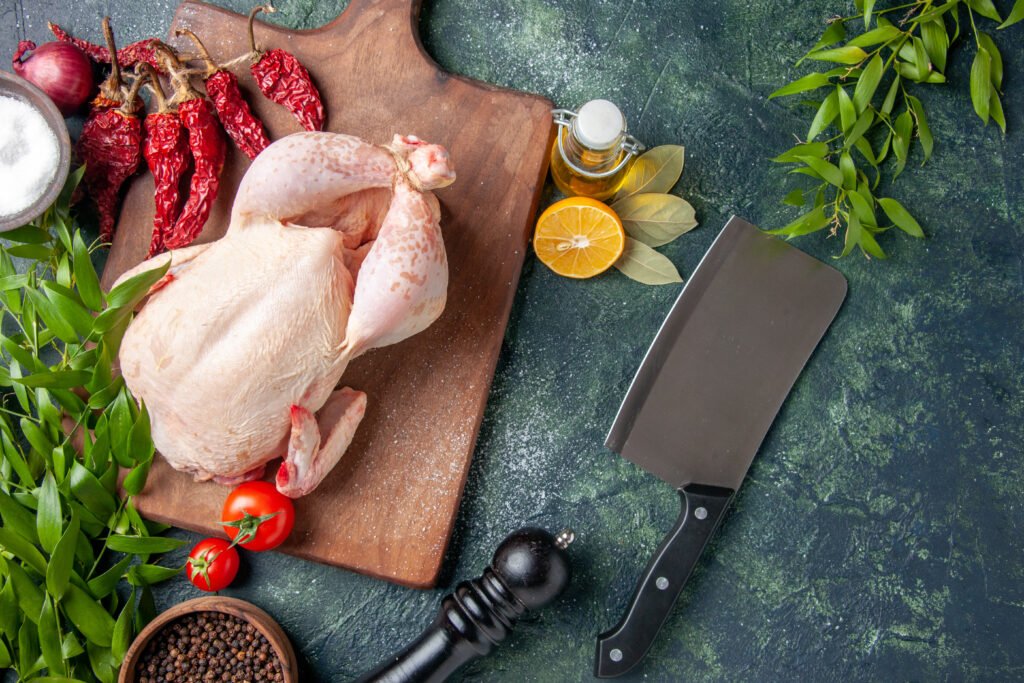
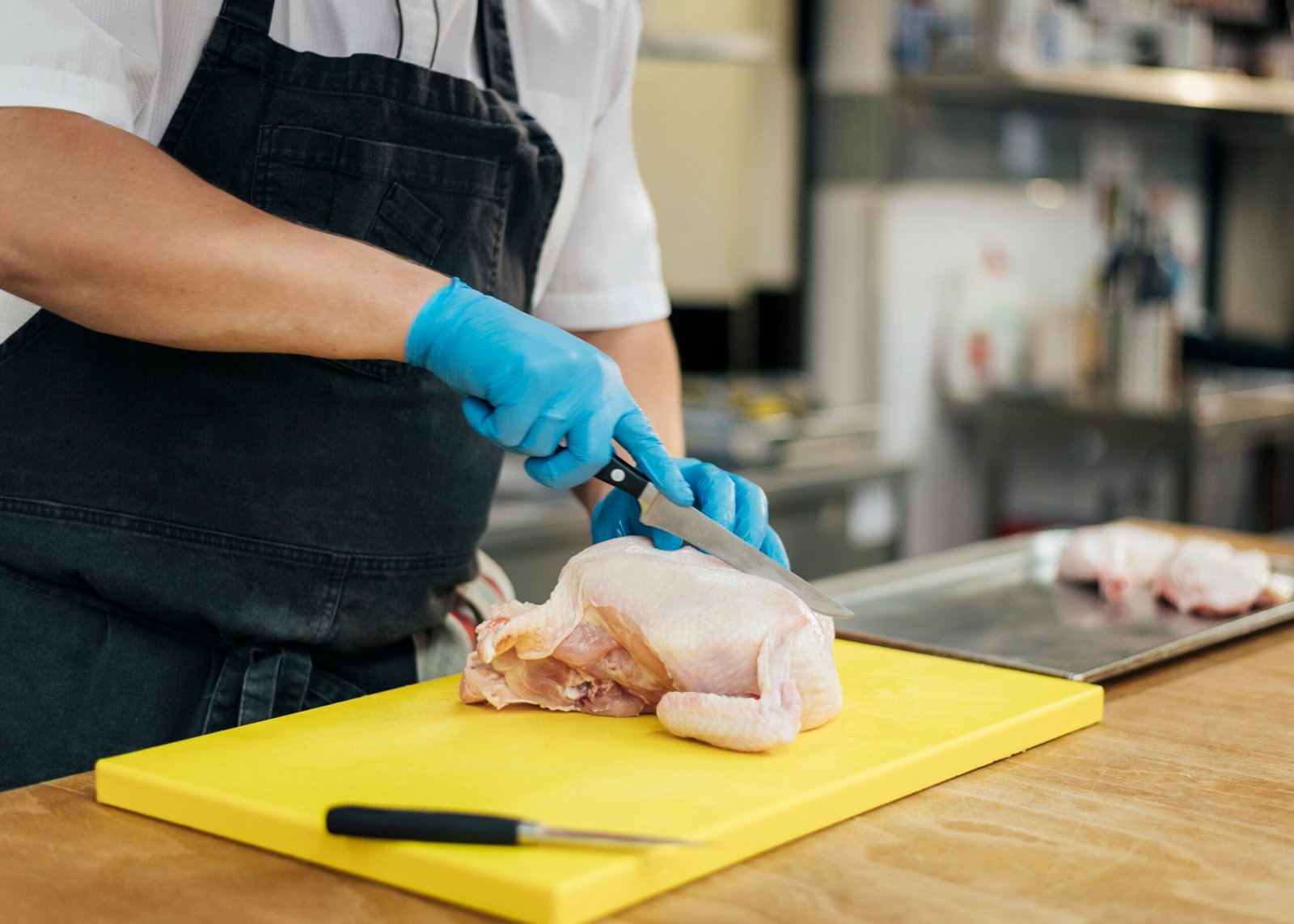
International chicken cuts supplier

Benefits of Working with a Global Chicken Cuts Exporter

Partnering with a dependable international chicken cuts supplier offers several advantages:

  • Consistent product quality across shipments

  • Access to a wide range of frozen and processed poultry products

  • Competitive pricing for wholesale and bulk buyers

  • Compliance with international food safety regulations

  • Reliable delivery schedules and export documentation

As a poultry meat supplier for global buyers, H&A Trading focuses on long-term partnerships, not just one-time transactions.


Our Core Features as an International Frozen Poultry Supplier

Advanced Processing & Freezing

We use modern processing facilities to deliver export quality frozen chicken cuts that maintain texture, flavor, and nutritional value.

Wide Product Customization

From retail packs to bulk cartons, we support buyers as a wholesale chicken cuts for export partner.

Strong Cold Chain Management

Our cold storage and logistics systems ensure safe delivery as a frozen poultry cuts for import export supplier.

Industry-Focused Supply

We work closely as a chicken cuts supplier for food service industry, hotels, restaurants, and distributors worldwide.


Products Offered by H&A Trading

As a leading international chicken cuts supplier, H&A Trading provides a diverse portfolio of poultry products to meet global demand.

Frozen Chicken Cuts

  • Whole chicken

  • Chicken breast fillet bulk exporter options

  • Chicken leg quarters international supplier packs

  • Wings, drumsticks, and thighs

Boneless & Processed Chicken

  • Boneless chicken meat international supplier products

  • Marinated and ready-to-cook items

  • Processed chicken cuts export supplier selections

Bulk & Wholesale Supply

  • Frozen chicken parts supplier global cartons

  • International poultry meat wholesale supplier volumes

  • Chicken cuts supplier for distributors and resellers

Ready-to-Cook Products

We also operate as a ready to cook chicken cuts exporter, offering value-added poultry products for retail and food service brands.


Serving Hotels, Restaurants & Distributors Worldwide

H&A Trading is a trusted chicken cuts supplier for hotels and restaurants, supporting food service businesses with reliable, high-quality poultry supply. Our products are designed to meet the operational needs of:

  • International hotel chains

  • Restaurant franchises

  • Catering companies

  • Poultry importers and distributors

As an experienced international chicken meat trading company, we understand regional preferences, portion sizes, and packaging requirements.


Commitment to Quality & Food Safety

Our role as an international chicken cuts supplier is built on trust and compliance. We strictly follow:

  • International food safety standards

  • Hygiene and sanitation protocols

  • Temperature-controlled processing and shipping

  • Quality inspections at every stage

This commitment ensures H&A Trading remains a preferred global chicken cuts exporter for buyers worldwide.

If you are searching for a dependable international chicken cuts supplier, H&A Trading is your trusted partner for export-quality poultry products. With global experience, strict quality standards, and a wide product range, we help businesses worldwide meet growing poultry demand with confidence.

Partner with H&A Trading — your reliable international chicken cuts supplier for global success.

Why is H&A Trading a trusted International chicken cuts supplier worldwide?

H&A Trading is a trusted international chicken cuts supplier because of its strict quality control, export-grade processing, halal compliance, and reliable global logistics support.

Understanding the Global Demand for International Chicken Cuts Suppliers The global poultry market continues to grow as chicken remains one of the most consumed protein sources worldwide. This increasing demand has made the role of a reliable international chicken cuts supplier more important than ever. Importers, distributors, and food service companies depend on consistent quality, competitive pricing, and uninterrupted supply chains to meet customer expectations. H&A Trading operates at the center of this global demand as a professional international chicken cuts supplier, supporting businesses that require frozen, processed, and bulk poultry products across international markets. From retail-focused buyers to large-scale distributors, global customers seek suppliers who understand international regulations, logistics, and market preferences. As a global chicken cuts exporter, H&A Trading aligns its operations with international standards to ensure product safety, shelf life, and customer satisfaction. Role of an International Frozen Poultry Supplier in Global Trade An international frozen poultry supplier does more than simply export products. The supplier acts as a strategic partner, helping buyers manage inventory, reduce risk, and maintain consistent supply throughout the year. Frozen poultry allows global buyers to: Extend shelf life Reduce food waste Maintain consistent pricing Ensure availability during peak demand H&A Trading, as a frozen chicken cuts supplier worldwide, uses advanced freezing techniques to preserve freshness, texture, and nutritional value. This makes our products suitable for long-distance shipping without compromising quality. Our expertise as a frozen poultry cuts for import export partner ensures that every shipment meets destination country requirements. How H&A Trading Supports Bulk and Wholesale Buyers Bulk buyers and wholesalers need a supplier who understands volume-based operations. As a bulk chicken meat supplier international, H&A Trading provides scalable supply solutions that support growing businesses. Advantages for Bulk Buyers Cost-efficient pricing structures Consistent product specifications Reliable delivery schedules Export-ready documentation We operate as a wholesale chicken cuts for export partner, ensuring that distributors and resellers receive standardized products suitable for their local markets. This approach has positioned H&A Trading as a dependable international poultry meat wholesale supplier for global buyers. Importance of Halal Compliance in Global Poultry Supply Halal compliance is essential for many international markets, particularly in the Middle East, Africa, and parts of Asia. As a recognized halal chicken cuts supplier global, H&A Trading ensures that halal requirements are met throughout processing, packaging, and handling. Our halal-compliant processes include: Approved slaughtering methods Strict hygiene protocols Segregated processing lines Certified documentation This makes H&A Trading a preferred international chicken cuts supplier for halal-focused markets. Export Quality Standards for Frozen Chicken Cuts Quality assurance is a core responsibility of every international chicken cuts supplier. Export-quality poultry must meet strict standards related to hygiene, temperature control, and packaging. At H&A Trading, we focus on: Export quality frozen chicken cuts Consistent portion sizes Clean processing environments Regular quality inspections As a processed chicken cuts export supplier, we ensure that every product meets international buyer expectations. Product Segmentation for Global Markets Different markets require different poultry specifications. As an experienced international chicken meat trading company, H&A Trading understands these variations and supplies customized solutions. Frozen Chicken Cuts for Retail & Food Service Whole chicken Wings, drumsticks, and thighs Chicken leg quarters international supplier packs Boneless & Value-Added Products Boneless chicken meat international supplier offerings Marinated poultry Ready-to-cook chicken cuts exporter selections Bulk Supply for Distributors Frozen chicken parts supplier global cartons Chicken cuts supplier for distributors Poultry meat supplier for global buyers This flexibility allows us to serve diverse industries efficiently. The Growing Importance of Poultry in Global Food Supply Chicken has become one of the most important protein sources across the world. Its affordability, versatility, and wide acceptance across cultures make it a preferred choice for households, restaurants, and food service businesses. As populations grow and dietary preferences shift toward lean protein, poultry continues to play a critical role in global food security. International trade has made it possible for countries to meet demand even when local production is limited. This has created strong connections between producers, processors, traders, and buyers across borders. Reliable supply chains now form the backbone of modern food distribution systems. Businesses involved in this sector must understand market dynamics, food safety expectations, and logistics challenges to operate successfully. Understanding Global Poultry Consumption Trends Consumption patterns vary across regions, influenced by culture, income levels, and dietary habits. In many developing regions, poultry consumption is rising due to affordability and improved cold storage infrastructure. In developed markets, demand is driven by convenience foods, ready-to-cook products, and portion-controlled cuts. Food service businesses, including hotels and restaurants, are major contributors to this demand. Retail consumers also seek consistency, safety, and value when purchasing poultry products. Meeting these expectations requires careful planning, quality control, and efficient distribution. Role of International Trade in Poultry Distribution Global trade enables poultry products to reach markets that may lack sufficient domestic production. It also allows buyers to maintain stable pricing throughout the year by sourcing from multiple regions. International distribution requires coordination across: Processing facilities Storage providers Shipping partners Customs authorities Quality inspection agencies Each step must be carefully managed to ensure products arrive safely and meet destination requirements. Importance of Food Safety in Poultry Processing Food safety is one of the most critical aspects of poultry handling. Since poultry is a perishable product, strict hygiene standards must be maintained throughout processing, storage, and transportation. Key food safety practices include: Clean and controlled processing environments Regular sanitation of equipment Employee hygiene training Temperature monitoring Proper packaging These measures protect consumers and help maintain trust in global food systems. Processing Standards and Quality Control Processing poultry involves multiple stages, including slaughtering, cleaning, cutting, packaging, and freezing. Each stage must follow established protocols to ensure quality and safety. Quality control teams conduct inspections to check: Appearance and texture Temperature levels Packaging integrity Compliance with specifications Consistent quality control helps prevent contamination, reduce waste, and ensure customer satisfaction. Cold Storage and Temperature Management Cold storage plays a vital role in preserving poultry products. Maintaining proper temperature prevents bacterial growth and extends shelf life. Effective cold storage systems include: Temperature-controlled warehouses Insulated packaging Continuous monitoring systems Backup power solutions Maintaining a stable cold chain from processing to delivery is essential for product safety. Packaging Solutions for International Markets Packaging is more than just protection—it also affects shelf life, branding, and convenience. International buyers often have specific packaging requirements based on local regulations and consumer preferences. Common packaging considerations include: Vacuum sealing Portion sizing Labeling requirements Language compliance Nutritional information Well-designed packaging supports efficient handling and reduces damage during transportation. Logistics and Transportation Challenges Transporting poultry across long distances presents logistical challenges. Delays, temperature fluctuations, and documentation errors can lead to losses. Successful logistics management involves: Choosing reliable shipping partners Planning efficient routes Preparing accurate documentation Monitoring shipments in real time Strong coordination between all stakeholders ensures timely and safe delivery. Regulatory Compliance Across Borders Each country has its own regulations related to food imports. These may include health certifications, inspections, labeling rules, and customs procedures. Understanding and complying with these regulations helps avoid delays and penalties. Businesses involved in global trade must stay updated with changing requirements and maintain proper records. Importance of Documentation in Food Exports Accurate documentation is essential for smooth international transactions. Common documents include: Health certificates Certificates of origin Shipping documents Customs declarations Proper documentation ensures transparency and builds confidence with buyers and authorities. Supporting the Food Service Industry Restaurants, hotels, and catering companies depend on consistent supply and quality. Their operations require reliable deliveries and predictable product specifications. Suppliers serving this sector must understand: Portion control needs Menu planning requirements Storage limitations Cost management Strong collaboration helps food service businesses operate efficiently. Retail Market Expectations Retail consumers value convenience, safety, and affordability. Products must be easy to store, prepare, and cook while maintaining quality. Retail-focused supply often includes: Smaller pack sizes Clear labeling Ready-to-cook options Attractive presentation Meeting these expectations helps build brand loyalty. Value-Added Poultry Products Value-added products are gaining popularity due to changing lifestyles. These products save time and offer convenience without compromising nutrition. Examples include: Pre-marinated items Pre-cut portions Ready-to-cook selections Such products cater to busy consumers and food service operators alike. Sustainability in Poultry Supply Chains Sustainability is becoming increasingly important in global food systems. Businesses are expected to minimize waste, optimize resource use, and operate responsibly. Sustainable practices may include: Efficient processing methods Reduced energy consumption Responsible sourcing Waste management initiatives Sustainability supports long-term business growth and environmental responsibility. Ethical Practices and Workforce Safety Ethical operations involve ensuring fair labor practices, safe working conditions, and employee training. A skilled and well-trained workforce contributes to better quality and efficiency. Workforce safety measures include: Proper protective equipment Regular training sessions Clear operational procedures Ethical practices build trust with partners and customers. Technology in Poultry Processing Technology plays a growing role in improving efficiency and quality. Automation, monitoring systems, and data analysis help streamline operations. Technological advancements support: Consistent cutting and portioning Improved hygiene control Accurate tracking of shipments Better inventory management Adopting modern technology enhances competitiveness. Risk Management in Global Food Trade Risk management involves identifying and addressing potential challenges such as supply disruptions, regulatory changes, and market fluctuations. Strategies include: Diversifying sourcing Maintaining buffer stock Building strong partnerships Staying informed about global trends Effective risk management ensures business continuity. Building Long-Term Business Relationships Long-term partnerships are built on trust, communication, and reliability. Businesses prefer working with partners who understand their needs and offer consistent support. Key elements of strong partnerships include: Transparent communication Flexible solutions Reliable performance Mutual growth goals Long-term relationships benefit all parties involved. Importance of Market Knowledge Understanding local market preferences helps businesses tailor products and services effectively. Market knowledge includes awareness of: Consumer tastes Cultural practices Regulatory environment Competitive landscape This understanding supports successful market entry and expansion. Global Outlook for Poultry Trade The poultry sector is expected to continue growing due to rising protein demand and improved logistics infrastructure. Emerging markets present new opportunities for trade and investment. Businesses that focus on quality, compliance, and efficiency will be well-positioned for future growth. Continuous Improvement and Innovation Continuous improvement helps businesses adapt to changing market conditions. Regular evaluation of processes, customer feedback, and performance metrics supports innovation. Innovation may involve: New product formats Improved packaging Enhanced logistics solutions Continuous improvement ensures long-term competitiveness. Conclusion: Supporting a Reliable Global Food System Poultry plays a vital role in feeding the global population. Reliable supply chains, strong quality control, and responsible practices are essential for meeting demand safely and efficiently. Businesses involved in this sector contribute to food security, economic growth, and consumer well-being. By focusing on quality, safety, and collaboration, the global poultry industry can continue to thrive and support diverse markets worldwide. Strengthening Trust Through Transparency Transparency is a key factor in building trust in international trade. Buyers want to understand how products are handled, processed, and delivered. Clear communication about processes, timelines, and standards helps reduce uncertainty and strengthens business relationships. Providing accurate product information, clear specifications, and realistic delivery schedules allows buyers to plan their operations with confidence. Transparency also supports smoother collaboration, especially when working across borders and time zones. Open communication helps address challenges quickly and ensures long-term cooperation. Adapting to Changing Consumer Preferences Consumer preferences continue to evolve, influenced by lifestyle changes, health awareness, and convenience. Businesses must adapt to these changes to remain competitive. Offering flexible product options and packaging formats helps meet the needs of different markets. Health-conscious consumers often seek lean protein options, while busy households prefer convenient, easy-to-prepare foods. Understanding these trends allows businesses to adjust product offerings and respond effectively to demand. Adaptability is essential for sustained growth. Importance of Consistent Supply Planning Consistent supply planning is critical for businesses that depend on steady inventory levels. Sudden shortages or delays can disrupt operations and affect customer satisfaction. Effective planning involves forecasting demand, maintaining buffer stock, and coordinating closely with logistics partners. Reliable supply planning helps businesses manage costs and avoid unnecessary disruptions. Consistency builds confidence and supports long-term stability. Enhancing Efficiency Through Collaboration Strong collaboration between producers, processors, logistics providers, and buyers improves overall efficiency. When all stakeholders work together, challenges can be identified early and addressed effectively. Collaboration also encourages knowledge sharing and continuous improvement. By learning from each other’s experiences, partners can optimize processes and reduce inefficiencies. A collaborative approach supports smoother operations and better outcomes. Preparing for Future Market Growth Global demand for poultry is expected to grow steadily. Businesses that prepare for this growth by investing in infrastructure, technology, and workforce development will be better positioned to succeed. Focusing on quality, safety, and adaptability ensures readiness for future opportunities. Long-term planning helps businesses remain competitive in a dynamic global market. Building Confidence Through Consistent Performance Consistency plays a major role in building confidence in long-term business relationships. When buyers receive the same level of quality and service with every shipment, it creates reliability and peace of mind. This consistency helps businesses plan operations, manage inventory, and meet customer expectations without disruption. Clear processes and standardized practices support dependable performance. Regular monitoring and internal checks help maintain standards and identify areas for improvement. Over time, this approach strengthens credibility and reinforces trust. Reliable performance also reduces risks associated with delays, shortages, or quality concerns. When partners can depend on timely delivery and predictable outcomes, collaboration becomes more efficient and productive. Maintaining consistency requires attention to detail, commitment to quality, and ongoing communication. Businesses that prioritize these elements are better positioned to support growth and adapt to changing market conditions.