
Overseas commodity trading company

H&A Trading is a leading overseas commodity trading company, providing comprehensive services for global businesses. With years of experience and a strong international network, H&A Trading helps clients import and export commodities efficiently. Whether you are looking for metals, agricultural products, or oil, our team ensures smooth transactions with reliability and professionalism. In this article, we’ll explore why choosing H&A Trading can elevate your global trading business and how we maintain quality, compliance, and profitability.

Why Choose H&A Trading as Your Overseas Commodity Trading Company

As a trusted overseas commodity trading company, H&A Trading offers numerous advantages for businesses worldwide:

  • Expertise in Global Markets: Our team understands international trading regulations, market trends, and commodity demands.

  • Reliable Trading Partners: We connect clients with top overseas commodity trading firms and brokers.

  • Wide Product Range: From agricultural exports to metal and oil commodities, we cover diverse sectors.

  • Compliance & Legal Assurance: Our overseas trading company compliance ensures every transaction meets international standards.
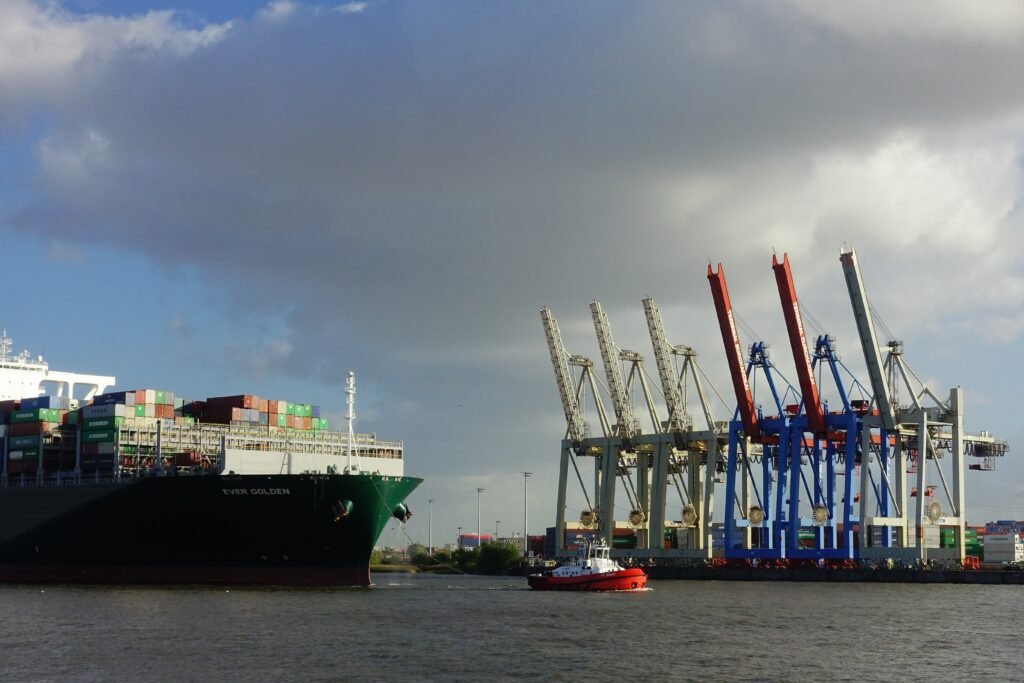
Overseas commodity trading company

Complete Global Commodity Trading Solutions with H&A Trading

Benefits of Working with H&A Trading

Partnering with H&A Trading as your overseas commodity trading company comes with multiple benefits:

  • Reduced Risk: Our low-risk overseas trading firms approach minimizes financial and logistical risks.

  • Time Efficiency: We manage import and export processes, reducing operational delays.

  • Cost Savings: Transparent pricing and commodity trading fees overseas help clients plan budgets effectively.

  • Access to Expertise: Our guidance on steps to choose trading company ensures strategic decision-making.


Features of H&A Trading

1. Comprehensive Trading Services

H&A Trading provides end-to-end services for commodity export overseas, including documentation, shipment, and customs clearance.

2. Specialized Commodity Products

  • Agricultural Commodity Exporters Abroad: We handle cereals, grains, and other agricultural products.

  • Overseas Metal Trading Companies: Supply of metals like steel, copper, and aluminum.

  • Oil Commodity Trading Overseas: Reliable sourcing and delivery for global oil markets.

3. Regulatory Compliance

Our overseas trading company compliance ensures adherence to international laws, export-import licenses, and trade agreements.

4. Expert Advisory Services

We guide clients through the commodity trading company registration process and provide insights into global trading opportunities.


How H&A Trading Supports Global Business

Overseas Commodity Brokers

H&A Trading acts as a network of overseas commodity brokers, connecting buyers and sellers efficiently.

Choosing the Right Trading Partner

We assist in finding best overseas trading partners for your business, ensuring credibility, transparency, and profitability.

Tracking & Reporting

Through overseas trading company reviews and performance tracking, H&A Trading ensures clients are always informed.

Export-Import Operations

We manage export-import commodity companies’ logistics, customs clearance, and documentation, making global trade hassle-free.


Products Offered by H&A Trading

  • Agricultural Commodities

  • Metals & Minerals

  • Oil & Energy Commodities

  • Customized Trading Solutions

Our trading company service list covers all essential aspects, from sourcing to delivery, providing a seamless experience for international clients.

Global Market Insights for Overseas Commodity Trading Company

The global commodities market is constantly evolving. As an experienced overseas commodity trading company, H&A Trading closely monitors international supply chains, geopolitical developments, and pricing trends. This helps clients make data-driven decisions.

Today, demand for agricultural commodity exporters abroad, metal suppliers, and oil trading networks is growing in Asia, Europe, Africa, and the Middle East. Businesses need a professional overseas trading partner that understands global risk management and compliance.

H&A Trading works with verified overseas commodity trading firms and ensures each transaction aligns with international trade laws.


Start Overseas Commodity Trading with Confidence

Many businesses want to start overseas commodity trading but feel unsure about documentation, licensing, and logistics. H&A Trading simplifies this process.

We provide support with:

  • Market research and supplier verification

  • Commodity trading company registration guidance

  • Assistance with overseas commodity trading licenses

  • Risk assessment and compliance documentation

  • Negotiation with verified overseas commodity brokers

Our goal is to help companies enter global markets confidently and profitably.


Overseas Trading Company Compliance & Legal Framework

International trade requires strict regulatory adherence. As a responsible overseas commodity trading company, H&A Trading follows international trade standards including:

  • Import-export documentation procedures

  • Customs clearance protocols

  • Financial transparency and anti-fraud policies

  • Global shipping and insurance regulations

Strong overseas trading company compliance protects clients from penalties, shipment delays, and financial losses.

By maintaining structured compliance systems, we build long-term trust with global clients.


Product Categories Managed by H&A Trading

Agricultural Commodity Exporters Abroad

H&A Trading supports farmers, distributors, and global buyers by exporting:

  • Grains and cereals

  • Pulses and legumes

  • Oilseeds

  • Animal feed products

As experienced agricultural commodity exporters abroad, we ensure quality inspections, certifications, and timely shipments.


Overseas Metal Trading Companies

The metal industry is essential for construction, manufacturing, and infrastructure projects. H&A Trading collaborates with certified overseas metal trading companies to supply:

  • Steel

  • Copper

  • Aluminum

  • Iron ore

We negotiate competitive rates and manage international freight efficiently.


Oil Commodity Trading Overseas

Energy markets require expertise and compliance. Our oil commodity trading overseas services include:

  • Crude oil sourcing

  • Refined petroleum products

  • Energy contract management

  • Secure international transport

We maintain transparent pricing structures and clear commodity trading fees overseas to ensure predictable business costs.


How to Choose the Best Overseas Trading Partners

Selecting the best overseas trading partners is critical for long-term success. H&A Trading evaluates partners based on:

  • Financial stability

  • Compliance history

  • Product quality standards

  • Logistics capabilities

  • Market reputation

If you are reviewing overseas trading company reviews, focus on reliability, communication, and transparency.

H&A Trading’s structured partner evaluation system reduces risk and improves profitability.


Low-Risk Overseas Trading Firms: Risk Management Approach

Working with low-risk overseas trading firms protects your investment. H&A Trading implements:

  • Due diligence procedures

  • Contract verification

  • Escrow payment structures

  • Insurance coverage

  • Real-time shipment tracking

Risk management is essential for any overseas commodity trading company operating globally.

Why Is a Professional Trading Partner Important in an Overseas Commodity Trading Company?

Key AreaWith Professional PartnerWithout Professional Partner
RiskSecure transactionsHigher risk
ComplianceProper documentationLegal issues
Market KnowledgeInformed decisionsLimited insights
LogisticsSmooth shippingDelivery delays
CostsClear pricingHidden charges
GrowthStable partnershipsUncertain growth

What makes H&A Trading a reliable overseas commodity trading company?

H&A Trading is a trusted overseas commodity trading company with global partnerships, compliance expertise, and a wide range of commodities for efficient trading.

Trading Company Service List – What We Offer Our comprehensive trading company service list includes: Supplier sourcing Buyer matching Export-import documentation Freight coordination Customs clearance Quality inspections Contract negotiation Market analysis reports As one of the trusted export-import commodity companies, H&A Trading provides full-cycle solutions. Overseas Commodity Trading Success Stories Over the years, H&A Trading has helped: Agricultural suppliers expand into European markets Metal manufacturers secure stable Asian buyers Energy companies streamline oil exports Startups complete smooth commodity trading company registration Our experience as an established overseas commodity trading company allows us to deliver measurable results. Improving Profitability in Commodity Export Overseas Profitability in commodity export overseas depends on: Market timing Supplier negotiation Efficient logistics Transparent commodity trading fees overseas Currency risk management H&A Trading provides data-driven insights to maximize margins and reduce unexpected costs. Understanding the Global Commodity Market Landscape Global trade plays a vital role in connecting producers and consumers across continents. Commodities such as food grains, metals, and energy resources are traded daily between countries to support industries, infrastructure, and populations. The movement of these goods supports economic growth, stabilizes supply chains, and enables nations to access materials they may not produce locally. The international marketplace is influenced by many factors including political stability, climate conditions, transportation networks, currency exchange rates, and global demand cycles. Companies operating in this space must constantly monitor these variables to make informed decisions. Successful trading operations depend on planning, forecasting, and risk evaluation. Businesses that understand the larger global landscape are better prepared to navigate uncertainty and seize opportunities. The Role of Trust in International Trade Trust is the foundation of long-term global partnerships. When companies work across borders, cultural differences, language barriers, and regulatory variations can create complexity. Clear communication and transparent processes reduce misunderstandings and strengthen relationships. Trust is built through: Consistent communication Clear contracts Timely payments Product quality verification Ethical business practices Organizations that prioritize integrity often build long-term partnerships that result in repeat transactions and steady growth. How Global Supply Chains Operate Supply chains involve multiple stages: Raw material sourcing Quality inspection Packaging and labeling Transportation to ports Customs clearance International shipping Import documentation Final delivery to buyers Each stage must be carefully coordinated to prevent delays. Even minor disruptions in transportation or documentation can cause shipment delays and additional costs. Modern logistics systems use digital tracking tools to monitor shipments in real time. This improves transparency and helps businesses anticipate potential delays. Risk Factors in Cross-Border Trade International transactions involve several types of risk: 1. Market Risk Prices fluctuate based on global demand and supply changes. Political events or economic shifts can influence commodity pricing. 2. Currency Risk Exchange rate movements can impact profit margins, especially when payments are made in foreign currencies. 3. Regulatory Risk Different countries have different trade policies, tariffs, and compliance requirements. 4. Transportation Risk Weather conditions, port congestion, and geopolitical tensions may disrupt shipments. 5. Credit Risk Ensuring payment security is essential. Letters of credit, escrow services, and verified banking channels reduce exposure. Businesses that implement structured risk management strategies can reduce financial uncertainty and improve operational stability. The Importance of Market Research Market research is critical before entering any new region. Understanding buyer preferences, pricing trends, import regulations, and competition helps companies position themselves effectively. Effective research includes: Studying trade data Analyzing seasonal demand Monitoring industry reports Understanding regional economic growth Evaluating competitor strategies Data-driven decision-making increases the chances of long-term success. Quality Control and Inspection Standards Maintaining product quality is essential in international trade. Buyers expect goods to meet agreed specifications and international standards. Quality control processes may include: Pre-shipment inspection Laboratory testing Weight verification Packaging review Certification checks Third-party inspection agencies are often used to provide neutral verification. Clear documentation builds buyer confidence. Documentation in Global Trade Accurate documentation is essential for smooth transactions. Common documents include: Commercial invoices Packing lists Bills of lading Certificates of origin Insurance certificates Customs declarations Incomplete or inaccurate documentation can lead to customs delays or fines. Professional management of paperwork reduces operational risks. Quality Control and Inspection Standards Maintaining product quality is essential in international trade. Buyers expect goods to meet agreed specifications and international standards. Quality control processes may include: Pre-shipment inspection Laboratory testing Weight verification Packaging review Certification checks Third-party inspection agencies are often used to provide neutral verification. Clear documentation builds buyer confidence. Documentation in Global Trade Accurate documentation is essential for smooth transactions. Common documents include: Commercial invoices Packing lists Bills of lading Certificates of origin Insurance certificates Customs declarations Incomplete or inaccurate documentation can lead to customs delays or fines. Professional management of paperwork reduces operational risks. Logistics and Freight Management Transportation planning is one of the most complex aspects of global trade. Businesses must choose between air freight, sea freight, rail, or road transport depending on: Product type Delivery timeline Budget Volume and weight Destination country Sea freight is commonly used for bulk goods due to cost efficiency, while air freight is preferred for urgent or high-value shipments. Effective freight coordination ensures timely delivery and cost control. Building Long-Term Business Relationships Sustainable success comes from long-term collaboration rather than short-term transactions. Strong partnerships provide: Stable pricing agreements Predictable supply volumes Shared market insights Mutual business growth Regular communication and performance reviews help maintain alignment between partners. Technology in Modern Trade Operations Digital transformation is reshaping global trade. Businesses now use: Online contract management systems Automated invoicing Blockchain verification Real-time shipment tracking AI-based forecasting tools Technology improves efficiency, reduces manual errors, and enhances transparency. Companies that adopt digital tools gain a competitive advantage in fast-moving markets. Importance of Transparency Transparency builds confidence in international transactions. Open sharing of: Pricing breakdowns Shipping timelines Risk factors Compliance documents creates stronger professional relationships and reduces misunderstandings. Operational Efficiency and Continuous Improvement Successful organizations regularly evaluate performance and identify areas for improvement. Continuous improvement may involve: Streamlining documentation processes Reducing shipping time Negotiating better freight contracts Improving communication channels Operational efficiency lowers costs and improves competitiveness. Data Security and Cyber Protection As digital platforms become central to trade, cybersecurity becomes essential. Protecting sensitive business data prevents financial losses and reputational damage. Security measures include: Encrypted communication channels Secure payment gateways Access control systems Regular system audits Strong cybersecurity builds trust in digital transactions. Conclusion: Building Sustainable Global Growth International trade requires careful planning, compliance awareness, logistical coordination, and strong partnerships. Businesses that prioritize transparency, technology adoption, sustainability, and risk management position themselves for long-term success. With strategic planning, market awareness, and ethical operations, organizations can navigate complex global markets effectively and achieve sustainable growth. The Importance of Strategic Planning in Global Trade Success in international markets does not happen by chance. It requires careful planning, strong coordination, and a clear understanding of global dynamics. Businesses that operate across borders must align their sourcing, logistics, finance, and compliance strategies to create smooth operations. Strategic planning begins with defining clear objectives. Companies must decide whether their goal is market expansion, cost optimization, supplier diversification, or long-term partnership development. Once objectives are clear, structured action plans can be implemented to achieve them. A strong strategy also includes contingency planning. Global markets can change quickly due to economic shifts, political developments, or supply disruptions. Having backup suppliers, alternative shipping routes, and flexible pricing models ensures operational stability. Strengthening Supplier Relationships Reliable suppliers are essential for maintaining consistent product quality and delivery timelines. Building strong relationships with suppliers creates trust and long-term collaboration. Open communication is key. Regular meetings, performance reviews, and clear expectations improve accountability on both sides. Companies that treat suppliers as partners rather than short-term vendors often achieve better pricing stability and priority service. It is also important to conduct periodic supplier evaluations. Reviewing production capacity, quality standards, financial health, and ethical practices ensures continued reliability. Diversifying supplier networks further reduces dependency risks. Enhancing Buyer Confidence Buyers seek reliability, transparency, and professionalism. Clear documentation, accurate product specifications, and timely updates create a positive client experience. Providing detailed contracts helps prevent misunderstandings. Contracts should clearly outline product standards, payment terms, delivery schedules, and dispute resolution procedures. When expectations are clearly defined, transactions run more smoothly. Another way to build buyer confidence is through consistent quality assurance. Independent inspections, certification documents, and photographic evidence of shipments can strengthen credibility and encourage repeat business. Financial Stability and Cash Flow Management Proper financial management is crucial for sustainable operations. Cross-border transactions often involve longer payment cycles, currency exchange fluctuations, and additional service fees. Maintaining healthy cash flow ensures that procurement, shipping, and operational expenses can be covered without interruption. Businesses should regularly analyze their receivables and payables to avoid liquidity shortages. Risk mitigation tools such as letters of credit, trade finance solutions, and escrow arrangements can improve payment security. Financial planning should also include emergency reserves to handle unexpected delays or market changes. Logistics Optimization Efficient logistics directly impacts profitability. Delays at ports, customs bottlenecks, or incomplete documentation can increase costs and damage business relationships. To improve logistics performance, companies should: Work with experienced freight forwarders Track shipments using digital systems Prepare documentation in advance Monitor port congestion trends Evaluate transportation insurance coverage Continuous evaluation of shipping routes and transit times can reveal opportunities for cost savings and improved reliability. Regulatory Awareness and Compliance Each country has its own import regulations, product standards, and documentation requirements. Staying informed about regulatory updates prevents penalties and shipment rejections. Regularly consulting with legal advisors or compliance experts ensures that operations align with international standards. Businesses should also maintain organized documentation systems for easy access during audits or inspections. Proactive compliance management strengthens reputation and reduces operational disruptions. Leveraging Data for Smarter Decisions Modern trade relies heavily on data analysis. Access to accurate market information enables better forecasting and pricing strategies. Companies can analyze: Historical demand patterns Seasonal consumption trends Currency fluctuations Shipping cost variations Regional growth indicators Using data-driven insights helps businesses make informed purchasing decisions and avoid overstocking or under-supplying. Digital dashboards and automated reporting tools simplify performance tracking and improve decision-making speed. The Role of Communication in International Business Clear and consistent communication is one of the most important elements of cross-border operations. Language differences, time zones, and cultural variations can create misunderstandings if not handled carefully. Professional communication practices include: Confirming agreements in writing Using clear and simple language Scheduling regular update meetings Providing detailed progress reports Respectful communication fosters long-term relationships and strengthens cooperation between parties. Adapting to Technological Advancements Technology continues to transform global operations. Automation reduces manual paperwork and increases efficiency. Digital payment systems speed up transactions, while online platforms allow faster partner discovery. Organizations that invest in modern tools gain competitive advantages through improved transparency and operational speed. However, adopting technology also requires proper cybersecurity measures to protect sensitive business information. Regular system updates and employee training programs help maintain secure digital environments. Sustainable and Responsible Practices Sustainability is no longer optional in global business. Many international buyers prefer partners who follow ethical sourcing and environmentally responsible practices. Responsible practices may include: Reducing carbon emissions in transport Using recyclable packaging materials Ensuring fair labor standards Minimizing production waste Sustainable operations not only protect the environment but also enhance brand reputation and long-term competitiveness. Continuous Improvement and Performance Monitoring Successful companies continuously evaluate their performance. Measuring delivery timelines, customer satisfaction levels, cost efficiency, and supplier reliability helps identify areas for improvement. Key performance indicators (KPIs) provide measurable benchmarks for success. Regular performance reviews encourage accountability and highlight opportunities for optimization. Improvement initiatives may include streamlining documentation processes, renegotiating freight contracts, or enhancing communication systems. Building Long-Term Growth Strategies Long-term growth requires patience and consistency. Instead of focusing only on immediate profits, businesses should aim to build strong networks, reliable partnerships, and efficient systems. Gradual expansion into new markets should be supported by detailed research and risk assessments. Establishing local contacts and understanding regional demand patterns improves success rates. A well-structured growth strategy balances ambition with caution, ensuring stability even during uncertain market conditions. Conclusion Operating in international markets requires coordination, adaptability, and strong management practices. Businesses that prioritize planning, compliance, communication, and financial discipline position themselves for sustainable success. By investing in relationships, technology, and continuous improvement, organizations can navigate global complexities with confidence. A structured and responsible approach not only reduces risk but also creates opportunities for long-term growth and global recognition.