

Bulk petrochemical procurement services play a critical role in today’s global industrial supply chain. Companies in manufacturing, plastics, textiles, automotive, pharmaceuticals, and energy rely heavily on petrochemicals as essential raw materials. Efficient procurement ensures stable supply, competitive pricing, and quality assurance for businesses operating on a large scale.
For companies that require consistent chemical supply, working with reliable partners such as H&A Trading simplifies sourcing, logistics, and supplier management. Bulk procurement helps industries avoid supply disruptions, reduce operational costs, and maintain production efficiency. With the increasing global demand for petrochemicals, professional sourcing strategies are more important than ever.
This guide explains how petrochemical procurement works, the advantages of large-scale sourcing, how global suppliers operate, and how companies can optimize their chemical supply chain using modern procurement strategies.
The Role of Global Petrochemical Suppliers
Global petrochemical suppliers form the backbone of the international chemical industry. These suppliers manufacture and distribute essential petrochemical products used across various industrial sectors.
Companies such as H&A Trading collaborate with multiple global suppliers to provide businesses with reliable sourcing solutions.
Key Characteristics of Reliable Suppliers
When selecting suppliers for bulk petrochemical purchasing, companies consider several important factors.
Production capacity
Suppliers must be capable of delivering large quantities consistently.
Quality certification
International quality standards ensure chemical purity and safety.
Competitive pricing
Wholesale petrochemical supply must remain cost-efficient.
Global logistics capability
Suppliers must manage international shipping and customs procedures.
Reliable suppliers ensure manufacturers receive the required chemical feedstocks without delays or disruptions.
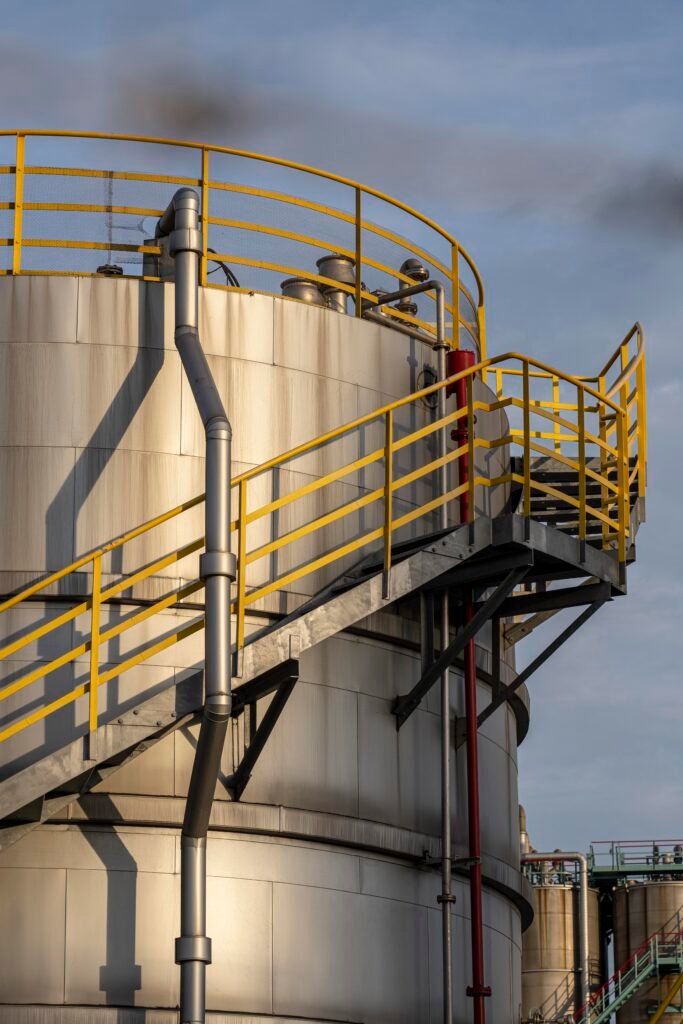
Understanding Bulk Petrochemical Procurement Services and Global Sourcing Strategies
Understanding Bulk Petrochemical Procurement Services
Bulk petrochemical procurement services refer to the process of sourcing large volumes of petrochemical products directly from manufacturers or global suppliers. These services involve supplier evaluation, price negotiation, logistics coordination, and quality assurance.
Petrochemicals are derived from petroleum and natural gas and are used in thousands of industrial applications. Industries require consistent access to materials such as polymers, solvents, and chemical feedstocks to maintain production continuity.
Professional procurement services help companies handle complex supply networks that span multiple countries and suppliers. Businesses often partner with experienced procurement specialists like H&A Trading, which manage sourcing operations while ensuring compliance with global trade standards.
Key Elements of Petrochemical Procurement
Several critical components define successful procurement operations:
Supplier identification
Finding reliable petrochemical suppliers capable of delivering consistent quality.
Cost management
Negotiating favorable pricing for bulk chemical procurement.
Quality verification
Ensuring petrochemical raw materials meet international standards.
Logistics coordination
Managing transportation, storage, and delivery of chemicals.
Risk mitigation
Protecting businesses from supply chain disruptions and price volatility.
With global petrochemical markets constantly evolving, procurement expertise is essential for maintaining operational efficiency.
Why Industries Need Industrial Petrochemical Sourcing
Industrial petrochemical sourcing ensures businesses obtain essential chemical materials from reliable global markets. Without structured sourcing strategies, companies may face delays, inconsistent supply, and increased procurement costs.
Growing Demand for Petrochemical Materials
Modern industries depend heavily on petrochemicals. These chemicals are used in:
Plastic manufacturing
Synthetic fibers
Rubber production
Industrial solvents
Pharmaceutical components
Automotive parts
Construction materials
As global manufacturing expands, demand for petrochemical supply sourcing continues to increase. Companies therefore require dependable sourcing partners capable of handling international procurement operations.
Global Market Complexity
Petrochemical production is concentrated in specific regions including the Middle East, North America, and Asia. Businesses often import chemicals from international suppliers.
Industrial petrochemical sourcing services simplify this process by:
Connecting buyers with global petrochemical suppliers
Managing documentation and compliance
Coordinating cross-border logistics
Reducing procurement risks
This is why many global manufacturers rely on professional petrochemical sourcing companies to maintain supply chain stability.
Benefits of Bulk Petrochemical Procurement
Large-scale procurement offers significant advantages for companies that rely on petrochemical materials.
1. Cost Efficiency
Bulk purchasing enables businesses to negotiate better pricing from suppliers. Large orders reduce production and transportation costs per unit, making procurement more economical.
2. Supply Chain Stability
Working with established petrochemical sourcing solutions ensures companies receive consistent supply. This prevents production interruptions caused by material shortages.
3. Quality Assurance
Professional procurement partners perform strict quality checks to verify chemical standards. This ensures industries receive high-quality petrochemical raw materials.
4. Global Supplier Access
Bulk petrochemical procurement services connect companies with international suppliers. This expands sourcing opportunities and improves supply reliability.
5. Logistics Optimization
Handling chemical transportation can be complex due to safety regulations. Procurement partners manage logistics, ensuring safe storage, shipping, and delivery.
These benefits help businesses improve efficiency while reducing procurement risks.
Bulk Chemical Procurement for Manufacturers
Manufacturing companies rely heavily on chemical inputs to produce finished products. Bulk chemical procurement ensures manufacturers obtain the necessary raw materials in the right quantities and quality.
Industries That Depend on Petrochemical Supply
Many industries depend on petrochemical bulk suppliers for daily operations:
Plastic manufacturing
Petrochemicals are essential for producing polymers and plastic components.
Automotive industry
Synthetic rubber, plastic parts, and coatings rely on petrochemical feedstocks.
Textile manufacturing
Polyester and synthetic fibers are derived from petrochemical compounds.
Construction industry
Insulation materials, adhesives, and sealants contain petrochemical ingredients.
Pharmaceutical industry
Certain chemical intermediates are used in drug manufacturing.
Bulk procurement ensures these industries maintain uninterrupted production processes.
Petrochemical Wholesale Supply and Distribution
Petrochemical wholesale supply involves distributing large quantities of chemicals from producers to industrial buyers. Distributors and sourcing companies play a key role in connecting manufacturers with end users.
How Petrochemical Distributors Operate
Bulk petrochemical distributors perform several important functions:
Aggregating chemical supply from multiple producers
Managing storage and inventory
Coordinating transportation and shipping
Ensuring regulatory compliance
Distributors allow manufacturers to access a wide range of petrochemical products through a single sourcing partner.
Companies like H&A Trading specialize in coordinating these operations to simplify procurement for global clients.
Petrochemical Supply Chain Services
Petrochemical supply chains involve multiple steps from production to final delivery. Effective supply chain management ensures materials reach industries safely and on time.
Key Stages of the Petrochemical Supply Chain
Production
Chemical plants manufacture petrochemical compounds.
Storage
Chemicals are stored in specialized facilities to maintain safety.
Transportation
Bulk chemicals are transported via ships, pipelines, rail, or trucks.
Distribution
Suppliers deliver chemicals to industrial buyers worldwide.
Supply chain services ensure these processes operate efficiently and comply with safety standards.
Petrochemical Import Sourcing for Global Markets
Many countries rely on petrochemical imports to meet domestic demand. Petrochemical import sourcing enables businesses to access international chemical markets.
Challenges in International Chemical Procurement
Importing petrochemicals requires careful management due to:
Regulatory compliance
Customs documentation
Transportation safety requirements
Currency fluctuations
International trade regulations
Professional sourcing companies help businesses navigate these challenges effectively.
By working with experienced partners such as H&A Trading, companies can simplify import processes and ensure reliable chemical supply.
Petrochemical Raw Material Suppliers
Petrochemical raw material suppliers produce essential compounds used in manufacturing industries. These materials serve as feedstocks for producing plastics, synthetic fibers, and other industrial chemicals.
Common Petrochemical Raw Materials
Some widely used petrochemical materials include:
Ethylene
Propylene
Benzene
Toluene
Methanol
Styrene
Polyethylene
Polypropylene
Reliable raw material suppliers ensure industries maintain production capacity and product quality.
Petrochemical Trading Services
Petrochemical trading services involve buying and selling chemical products across global markets. Traders connect manufacturers with industrial buyers who require bulk chemical supply.
How Petrochemical Trading Works
Traders analyze market demand, supply availability, and price trends. They negotiate deals between producers and buyers while managing logistics and documentation.
Petrochemical trading provides flexibility for businesses seeking cost-effective sourcing solutions.
Experienced trading companies like H&A Trading help businesses secure competitive pricing while ensuring reliable supply.
Choosing the Right Petrochemical Sourcing Company
Selecting the right sourcing partner is crucial for successful procurement operations.
Factors to Consider
Industry experience
Choose companies with expertise in petrochemical procurement.
Global supplier network
A strong network ensures reliable sourcing opportunities.
Logistics capabilities
Efficient transportation and storage solutions are essential.
Quality assurance systems
Suppliers should follow international chemical standards.
Transparent pricing
Clear cost structures help businesses manage procurement budgets.
Working with trusted sourcing partners ensures companies receive high-quality petrochemical products with minimal risk.
How H&A Trading Supports Global Petrochemical Procurement
H&A Trading provides professional petrochemical sourcing services to companies worldwide. The company focuses on simplifying procurement processes for industries that rely on large-scale chemical supply.
Key Services Offered
Global supplier sourcing
Connecting clients with reliable petrochemical bulk suppliers.
Bulk purchasing management
Handling large-scale procurement operations.
Logistics coordination
Managing shipping, customs clearance, and transportation.
Quality verification
Ensuring chemical materials meet industry standards.
Supply chain optimization
Improving efficiency and reducing procurement costs.
By combining industry expertise with global supplier networks, H&A Trading helps businesses streamline their petrochemical sourcing operations.
Features of Professional Petrochemical Sourcing Solutions
Professional sourcing services offer several advanced features that improve procurement efficiency.
1. Supplier Verification
Procurement companies evaluate supplier credentials, certifications, and production capabilities.
2. Market Intelligence
Experts monitor global chemical markets to identify cost-effective purchasing opportunities.
3. Contract Negotiation
Procurement specialists negotiate long-term supply agreements with manufacturers.
4. Risk Management
Supply chain risks such as price fluctuations and transportation delays are carefully managed.
5. Digital Procurement Tools
Modern sourcing platforms improve communication, documentation, and order tracking.
These features enable businesses to maintain efficient and reliable chemical supply chains.
Future Trends in Petrochemical Procurement
The petrochemical industry is evolving rapidly due to technological advancements and sustainability initiatives.
Digital Supply Chains
Digital procurement platforms improve transparency, efficiency, and supplier communication.
Sustainable Petrochemicals
Companies are exploring eco-friendly chemical alternatives and sustainable production methods.
Global Trade Expansion
Emerging markets are increasing demand for petrochemical materials, expanding global trade opportunities.
Supply Chain Resilience
Businesses are diversifying suppliers to reduce risks associated with geopolitical and economic disruptions.
These trends will shape the future of petrochemical procurement services.
What Petrochemical Products Are Commonly Sourced Through Bulk Petrochemical Procurement Services?
| Petrochemical Product | Type | Common Industrial Applications |
|---|---|---|
| Ethylene | Olefin | Plastic manufacturing, packaging materials, pipes |
| Propylene | Olefin | Automotive parts, textiles, polypropylene production |
| Benzene | Aromatic | Detergents, synthetic fibers, rubber manufacturing |
| Toluene | Aromatic | Paint thinners, adhesives, coatings |
| Methanol | Alcohol | Fuel production, plastics, industrial solvents |
| Styrene | Monomer | Polystyrene plastics, insulation materials |
| Polyethylene | Polymer | Packaging, containers, plastic bags |
| Polypropylene | Polymer | Automotive parts, medical devices, packaging |

We facilitate import, export, and specialized trade services to connect businesses to the products they need.
Links
Our Services
Copyright © 2025 All Right Reserved H&A TRADING. Powered by Adsonz