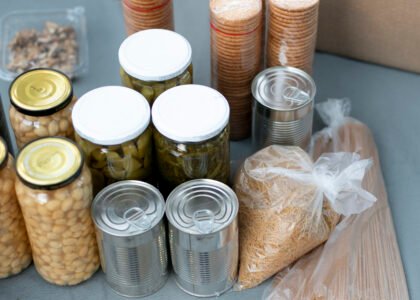

Canned goods bulk supplier

In today’s fast-moving food industry, choosing the right canned goods bulk supplier is critical for retailers, distributors, supermarkets, and food service companies worldwide. Whether you operate a grocery chain, manage a restaurant group, or run an import-export business, sourcing high-quality canned products in bulk ensures consistent supply, stable pricing, and long shelf life.

At H&A Trading, we specialize in large-scale wholesale distribution of canned foods across global markets. As an experienced international supplier, we help businesses secure reliable stock, competitive bulk pricing, and export-ready documentation. Our focus is quality, compliance, and long-term partnerships.

This comprehensive guide explains why partnering with a professional bulk supplier matters, the benefits of bulk purchasing, product categories available, pricing factors, and how to choose the right global partner.

Why Choosing the Right Canned Goods Bulk Supplier Matters

The canned food industry continues to grow due to rising demand for shelf-stable, cost-effective, and easy-to-store products. However, not all suppliers offer the same quality, pricing structure, and service standards.

A reliable supplier ensures:

  • Consistent product quality

  • Competitive wholesale pricing

  • Compliance with international food safety standards

  • On-time global shipping

  • Flexible minimum order quantities

  • Long-term supply stability

For international buyers, working with an international canned food supplier like H&A Trading reduces supply chain risks and simplifies global procurement.

Canned goods bulk supplier

Comprehensive Wholesale Canned Food Solutions by H&A Trading

Understanding the Role of a Bulk Canned Food Distributor

A professional bulk canned food distributor does more than sell products. They manage sourcing, quality checks, packaging standards, pallet loading, export documentation, and logistics coordination.

What Makes a Reliable Bulk Canned Food Wholesalers Network?

  • Verified manufacturing partners

  • Certified processing facilities

  • HACCP and food safety compliance

  • Export-ready packaging

  • Transparent bulk canned goods pricing

  • Ability to supply full containers or mixed pallets

At H&A Trading, we operate as both a canned goods wholesale distributor and a sourcing partner, helping businesses optimize supply costs.


Benefits of Buying from a Bulk Canned Food Supplier

1. Cost Efficiency Through Bulk Purchasing

Buying directly from a canned food pallet supplier reduces per-unit costs. Pallet and container pricing is significantly lower compared to small batch orders.

2. Stable Wholesale Canned Food Supplier Pricing

Bulk contracts allow businesses to secure stable pricing against market fluctuations.

3. Long Shelf Life & Reduced Waste

Canned goods are non-perishable and ideal for long-term storage. As a non perishable canned food supplier, H&A Trading ensures long shelf stability without compromising taste or nutrition.

4. Simplified Logistics

Bulk shipments reduce freight costs per unit. We optimize container loads for efficiency.

5. Global Export Support

As an experienced export canned food supplier, we provide all necessary documentation including:

  • Certificate of Origin

  • Health Certificates

  • Bill of Lading

  • Commercial Invoice

  • Packing List


Product Categories Available from H&A Trading

We supply a wide range of wholesale canned products to meet global market demands.


Bulk Canned Vegetables Supplier

Vegetables are among the most demanded shelf-stable products worldwide.

Popular Options:

  • Canned corn

  • Canned green beans

  • Canned peas

  • Canned tomatoes

  • Mixed vegetables

As a trusted bulk canned vegetables supplier, we ensure consistent size grading, proper brine ratios, and durable packaging.


Bulk Canned Fruit Supplier

Fruit products are essential for retail, hospitality, and bakery sectors.

Available Products:

  • Pineapple slices

  • Peach halves

  • Fruit cocktail

  • Mango pulp

  • Pear halves

Our role as a bulk canned fruit supplier allows supermarkets and food processors to secure stable supply year-round.


Bulk Canned Meat Supplier

Protein-rich canned meat products remain highly popular.

Options Include:

  • Canned tuna

  • Sardines

  • Corned beef

  • Chicken chunks

  • Luncheon meat

As a bulk canned meat supplier, we focus on quality sourcing and safe processing standards.


Food Service Canned Goods Supplier for Restaurants & Hotels

Food service businesses need consistent volume supply.

As a food service canned goods supplier, H&A Trading offers:

  • Large-size catering cans

  • Bulk case packaging

  • Flexible container loads

  • Customized labeling

Restaurants benefit from predictable supply and stable costs.


Private Label Canned Goods Supplier

Many global retailers want their own brand.

As a private label canned goods supplier, we provide:

  • Custom label design

  • Brand packaging support

  • Multilingual labeling

  • Barcode printing

  • Retail-ready cartons

Private labeling helps retailers increase margins and brand recognition.


Commercial Canned Food Supplier for Large Buyers

Large institutions, NGOs, government agencies, and wholesalers require high-volume shipments.

As a commercial canned food supplier, we handle:

  • Full container loads (FCL)

  • Mixed product shipments

  • Palletized export packaging

  • Competitive contract pricing


Canned Food Wholesale Prices: What Affects Cost?

Understanding canned food wholesale prices helps buyers plan better.

Key pricing factors include:

  1. Raw material cost

  2. Packaging type (easy open lids, standard lids)

  3. Can size

  4. Order quantity

  5. Shipping method

  6. Destination country tariffs

  7. Seasonal crop variations

At H&A Trading, we offer transparent bulk canned goods pricing to help clients forecast accurately.


Canned Food Case Supplier & Pallet Optimization

Working with a canned food case supplier ensures efficient storage and shipping.

Pallet Benefits:

  • Reduced damage risk

  • Faster warehouse handling

  • Optimized freight costs

  • Easier customs clearance

As a professional canned food pallet supplier, we load containers for maximum efficiency.


International Canned Food Supplier for Global Markets

Operating worldwide requires strong logistics knowledge.

As an international canned food supplier, we support buyers in:

  • Africa

  • Middle East

  • Europe

  • Asia

  • North America

  • South America

We understand regional labeling rules and import requirements.


Bulk Canned Goods for Retailers & Supermarkets

Retailers need consistent supply and packaging presentation.

As a canned goods supplier for supermarkets, we provide:

  • Retail-ready packaging

  • Private label options

  • Promotional stock support

  • Shelf-ready cartons

Supermarkets benefit from stable supply and predictable margins.


Bulk Shelf Stable Food Supplier for Emergency & Aid Programs

Canned foods are ideal for:

  • Disaster relief

  • Government food programs

  • NGO distributions

  • Institutional kitchens

As a bulk shelf stable food supplier, we ensure high durability and long storage life.

How to Choose the Right Canned Goods Bulk Supplier

Before selecting a supplier, consider:

1. Certifications

Look for HACCP, ISO, and food safety compliance.

2. Experience in Export

A qualified export canned food supplier understands customs regulations.

3. Minimum Order Quantity

Discuss MOQ flexibility with your supplier.

4. Pricing Transparency

Clear bulk canned goods pricing avoids hidden costs.

5. Supply Consistency

Check production capacity and backup sourcing options.

H&A Trading meets all these criteria through strict quality control and strong supplier partnerships.

How Does H&A Trading Ensure Quality and Reliability as a Canned Goods Bulk Supplier?

Quality AreaOur ProcessBenefit to Clients
Raw Material ControlVerified sourcing & batch inspectionsConsistent and safe product quality
Production SupervisionMonitored processing & sterilizationCompliance with food safety standards
Packaging TestingSeal integrity & durability checksReduced damage during shipping
Shelf-Life ValidationStability and storage testingLong-lasting product reliability
Export DocumentationAccurate paperwork verificationSmooth customs clearance worldwide
Container OptimizationPallet planning & load supervisionCost-efficient and secure transportation

Why choose H&A Trading as your canned goods bulk supplier?

H&A Trading provides competitive bulk pricing, international shipping support, strict quality control, and private labeling options, making us a trusted canned goods bulk supplier worldwide.

Why H&A Trading is a Trusted Canned Goods Bulk Supplier Worldwide Choosing the right canned goods bulk supplier is not only about price — it is about long-term reliability, food safety compliance, and global distribution strength. At H&A Trading, we combine sourcing expertise, competitive bulk canned goods pricing, and strong export management to support distributors, retailers, and food service businesses across international markets. As a professional bulk canned food distributor, we ensure every shipment meets strict quality standards while maintaining cost efficiency for our partners. Strong Global Supply Chain Network As an experienced international canned food supplier, we work with certified production facilities and verified growers to maintain consistent product availability throughout the year. Our global supply chain advantages include: Multi-country sourcing options Seasonal crop planning Backup production facilities Flexible shipment scheduling Full container and mixed pallet solutions This allows us to operate not only as a canned goods wholesale distributor, but also as a strategic sourcing partner for long-term contracts. Flexible Bulk Ordering & Container Solutions Different businesses have different purchasing needs. That’s why we provide flexible ordering models: Full Container Load (FCL) Best for large distributors and supermarket chains seeking optimized freight rates. Mixed Container Orders Ideal for importers who need multiple SKUs in one shipment. Palletized Supply As a professional canned food pallet supplier, we maximize container space and reduce handling risks. Our structured approach makes bulk canned goods for retailers easier to manage and store. Advanced Quality Control Standards As a responsible commercial canned food supplier, we follow strict inspection protocols: Raw material quality checks Production line monitoring Packaging integrity testing Shelf-life verification Pre-shipment inspection Food safety is a priority when working as a non perishable canned food supplier, especially for international markets with strict regulations. Sustainable & Modern Packaging Solutions Global buyers now demand environmentally responsible packaging. As a forward-thinking bulk shelf stable food supplier, we offer: Recyclable cans BPA-free linings Eco-friendly labeling options Lightweight packaging to reduce shipping costs Sustainability is becoming a competitive advantage in wholesale food distribution. Dedicated Support for Supermarkets & Retail Chains Retail chains require predictable supply and consistent branding. As a trusted canned goods supplier for supermarkets, we provide: Retail-ready case packaging Barcode and multilingual labeling Private label canned goods supplier services Promotional batch production We understand that shelf presentation impacts consumer buying decisions. Supporting Food Service & Hospitality Industries Hotels, catering companies, and restaurant groups need volume, consistency, and reliability. As a specialized food service canned goods supplier, H&A Trading ensures: Large catering can sizes Competitive bulk canned goods pricing Stable long-term contracts On-time delivery scheduling This reduces operational disruptions for hospitality businesses. Transparent Pricing & Market Competitiveness Understanding canned food wholesale prices is critical in global trade. We help clients analyze: Market trends Seasonal pricing fluctuations Freight cost variations Tariff impacts Global Market Insights, Industry Standards, and Strategic Supply Planning The global canned food industry continues to evolve rapidly. Population growth, urbanization, modern retail expansion, and shifting consumer habits are reshaping the way shelf-stable products are sourced and distributed. Businesses operating in international food trade must understand not only pricing and supply, but also regulations, quality expectations, packaging trends, and logistics strategy. H&A Trading works closely with manufacturers, distributors, retailers, and institutional buyers to provide structured supply planning that supports long-term growth. This section explores market dynamics, operational best practices, compliance standards, and strategic procurement planning for businesses operating worldwide. The Growing Demand for Shelf-Stable Food Products Shelf-stable food products play a critical role in both developed and emerging economies. Their long storage life, convenience, and affordability make them essential for: Retail grocery chains Wholesale distributors Food service operators Institutional kitchens Government procurement programs Humanitarian aid organizations In many regions, shelf-stable foods help stabilize food availability during supply disruptions, seasonal shortages, or logistical challenges. Their durability reduces waste, simplifies inventory planning, and improves cost control. Modern consumers also value convenience. Ready-to-use vegetables, fruits, and protein products reduce preparation time in both households and commercial kitchens. Supply Chain Stability in International Food Trade One of the most important factors in global food distribution is supply chain stability. Interruptions in raw material sourcing, production capacity, transportation, or customs clearance can disrupt entire distribution networks. To reduce risk, businesses should evaluate: Multi-Source Procurement Strategy Relying on a single production source can create vulnerability. Diversified sourcing ensures consistent availability even during seasonal or geopolitical disruptions. Production Capacity Planning Manufacturing partners must have sufficient capacity to handle high-volume orders without delays. Inventory Buffer Systems Maintaining safety stock in strategic warehouses helps prevent stockouts during unexpected demand spikes. Reliable Freight Partnerships Strong relationships with freight forwarders and shipping lines improve container availability and reduce transit delays. H&A Trading focuses on structured coordination between production facilities, quality control teams, and logistics providers to maintain consistent supply flow. Quality Assurance and Food Safety Compliance Food safety compliance is non-negotiable in international trade. Each importing country has specific regulations that must be met before goods enter the market. Key Compliance Areas Include: Raw material traceability Processing facility hygiene standards Thermal processing validation Packaging integrity testing Shelf-life stability testing Labeling compliance Failure to meet regulatory requirements can result in shipment rejection, financial loss, and reputational damage. To ensure reliability, suppliers must implement strict internal inspection protocols and work only with certified facilities. Continuous quality monitoring builds trust with international buyers and regulatory authorities. Packaging Standards and Product Integrity Packaging plays a critical role in protecting product quality throughout transportation and storage. Important Packaging Considerations: Can Thickness and Durability Corrosion Resistance Proper Sealing and Lid Integrity BPA-Free Coatings Easy-Open Lid Options Retail-Friendly Case Design Well-designed packaging reduces the risk of denting, leakage, or contamination during shipment. Pallet stacking strength must also be considered to withstand long ocean freight journeys. Modern buyers increasingly request sustainable packaging solutions. Recyclable materials and environmentally responsible labeling are becoming standard requirements in many markets. Strategic Pricing and Cost Management Wholesale pricing is influenced by multiple factors beyond production cost. Businesses must consider total landed cost rather than just ex-factory price. Cost Components Include: Raw agricultural input prices Energy costs for processing Labor expenses Packaging materials Freight rates Insurance Import duties Local taxes Seasonal variations can significantly affect pricing. For example, fruit and vegetable harvest cycles influence raw material availability and cost structure. Long-term supply contracts can help stabilize pricing. Buyers who commit to annual volume agreements often receive more competitive rates and priority production scheduling. Logistics Planning and Container Optimization Efficient logistics planning directly impacts profitability. Poor container planning can lead to wasted freight space and higher per-unit shipping costs. Best Practices in Container Optimization: Accurate carton dimension planning Strategic pallet stacking Mixed SKU container configuration Weight distribution balance Proper moisture protection Ocean freight remains the most cost-effective method for large shipments, but transit times must be factored into inventory planning. Businesses should align procurement cycles with shipping schedules to avoid stock shortages. Customs documentation accuracy is equally critical. Incorrect paperwork can cause port delays and additional fees. Risk Management in International Food Distribution Risk management is essential when operating in global markets. Companies must prepare for potential disruptions such as: Currency fluctuations Trade restrictions Tariff changes Port congestion Political instability Climate-related crop failures Mitigation strategies include: Diversified supplier networks Currency hedging Flexible pricing clauses Insurance coverage Demand forecasting models Proactive planning reduces operational shocks and ensures business continuity. Market-Specific Labeling and Regulatory Adaptation Each region has unique labeling requirements. These may include: Nutritional information panels Ingredient declarations Allergen warnings Production date and expiration format Language requirements Barcode standards Failure to comply can result in shipment detention or fines. Proper review of labeling before production avoids costly reprinting or repackaging. Businesses expanding into new markets should conduct regulatory research before placing large production orders. Sustainability and Environmental Responsibility Sustainability is no longer optional in global food trade. Many retailers and governments now require environmentally responsible practices from suppliers. Sustainable Practices Include: Energy-efficient production Reduced water usage Recyclable packaging materials Responsible sourcing of raw materials Waste reduction programs Environmentally responsible operations improve brand image and align with global sustainability goals. Technology Integration in Wholesale Distribution Technology improves transparency and operational efficiency. Modern Tools Include: Inventory management software Real-time shipment tracking Demand forecasting analytics Digital documentation systems Automated quality control monitoring Digital transformation enables faster communication between buyers and suppliers and reduces manual errors. Building Long-Term Business Partnerships Successful wholesale distribution is built on trust and communication. Businesses should evaluate suppliers based on: Transparency Responsiveness Production reliability Financial stability Market knowledge Strong partnerships allow for collaborative planning, joint forecasting, and coordinated expansion into new regions. Open communication ensures that both parties can adapt quickly to market changes. Demand Forecasting and Inventory Planning Accurate demand forecasting helps prevent both overstock and stockouts. Forecasting Should Consider: Historical sales data Seasonal demand spikes Promotional campaigns Economic trends Market expansion plans Strategic inventory management reduces storage costs while ensuring product availability. Emerging Trends in Global Food Distribution The food distribution sector continues to evolve. Key Trends Include: Growth of private retail brands Increased demand for convenient meal components Expansion of modern supermarket chains in emerging economies Rising demand for protein-based products Increased government food security programs E-commerce grocery growth Businesses that monitor these trends can adjust procurement and marketing strategies accordingly. Institutional and Government Procurement Opportunities Large-scale procurement contracts offer stable, long-term demand. Institutional Buyers May Include: School feeding programs Military supply units Hospital networks Government reserve programs International aid organizations Winning such contracts requires compliance with strict quality and documentation standards. Crisis Preparedness and Emergency Supply Systems Shelf-stable food products are critical during emergencies. Natural disasters, economic disruptions, and public health crises increase demand for durable food supplies. Companies prepared with scalable production and rapid shipment capabilities are better positioned to respond to emergency procurement needs. Financial Planning and Cash Flow Management Wholesale trade involves significant capital investment. Businesses should consider: Payment terms negotiation Letters of credit Advance deposits Credit insurance Currency exchange timing Strong financial planning supports sustainable growth and reduces risk exposure. Expanding into New Markets Market expansion requires careful planning. Steps include: Market research Competitive analysis Regulatory review Pricing strategy alignment Distribution partner identification Entering new regions without preparation can lead to compliance issues or pricing misalignment. Warehousing and Distribution Efficiency Efficient warehousing reduces operational costs. Key Factors: Proper temperature control Organized pallet stacking Inventory rotation systems (FIFO) Barcode tracking Damage prevention protocols Well-managed warehouses improve order fulfillment speed and accuracy. Continuous Improvement and Operational Excellence Long-term success depends on continuous improvement. Businesses should regularly evaluate: Production efficiency Logistics performance Customer satisfaction Cost structures Regulatory updates Operational audits and performance reviews help maintain competitiveness. Conclusion The global wholesale canned food industry requires careful planning, regulatory compliance, quality assurance, and strategic logistics management. Businesses that invest in strong supplier partnerships, efficient supply chains, and transparent pricing structures gain a competitive advantage. H&A Trading supports international buyers with structured procurement systems, quality-focused sourcing, and global logistics coordination. Through responsible supply management, regulatory expertise, and long-term collaboration, we help distributors, retailers, and institutions build stable and profitable operations. For businesses seeking consistent global supply and operational reliability, structured planning and professional sourcing partnerships remain the foundation of sustainable growth. H&A Trading delivers high-quality wholesale food products to distributors, retailers, and food service businesses worldwide. We focus on consistent supply, strict quality control, competitive pricing, and efficient global logistics. Our experienced team ensures smooth export processes, reliable partnerships, and long-term value for businesses seeking dependable international food sourcing solutions. We work closely with certified manufacturers and trusted logistics partners to maintain product integrity from production to final delivery. Our structured sourcing process, transparent communication, and flexible ordering options help businesses manage inventory efficiently, reduce operational risks, and achieve sustainable growth in competitive international food markets.