
Construction Materials Import Export

H&A TRAINDG is a leading Construction Materials Import Export company dedicated to providing high-quality building solutions across the globe. With years of experience in sourcing, supplying, and distributing top-tier construction materials, H&A TRAINDG has established a reputation as a reliable partner for businesses and construction professionals worldwide. Our mission is to streamline the import and export of construction products while ensuring efficiency, reliability, and sustainability in every transaction.

Our Expertise in Construction Materials Import Export

At H&A TRAINDG, we specialize in a wide range of services within the construction sector, focusing on the seamless movement of building materials and equipment across international borders. As a comprehensive construction materials trading company, we combine industry knowledge with robust logistics solutions to ensure our clients receive timely and cost-effective services.

We offer:

  • End-to-end construction materials trading solutions.

  • Access to premium construction material suppliers worldwide.

  • Expert construction material sourcing for large-scale projects.

  • Streamlined construction material logistics for global operations.

By leveraging our global network of construction materials exporters and importers, H&A TRAINDG is able to provide unmatched service in the international building materials trade, connecting manufacturers and buyers efficiently.


Why Choose H&A Trading

Choosing the right partner for Construction Materials Import Export can make or break a project. H&A TRAINDG stands out as a trusted leader because we combine global expertise, reliable logistics, and a commitment to quality. Here’s why businesses worldwide choose us:

1. Expertise in Global Construction Materials

With years of experience in building materials import export, H&A TRAINDG has a deep understanding of international markets. We connect clients with top-tier construction material suppliers, ensuring every product meets high-quality standards and project specifications.

2. Comprehensive Solutions

We are more than a construction materials trading company. From construction equipment trading to construction material sourcing, construction material distribution, and construction material export solutions, we provide end-to-end support for every stage of your project.

3. Efficient Logistics & Distribution

Our advanced construction material logistics network guarantees timely delivery, minimizing project delays. By coordinating with construction material importers and exporters globally, H&A TRAINDG ensures smooth handling of construction raw materials import and other essential supplies.

4. Quality & Sustainability

We prioritize quality in every product, whether it’s for building materials trading, construction products export, or international construction materials. Additionally, we partner with eco-conscious construction material suppliers, ensuring sustainable practices across our operations.

5. Client-Centric Approach

At H&A TRAINDG, clients are at the heart of everything we do. Our dedicated team offers personalized support, guiding you through construction industry supplies selection, import/export processes, and project planning. Your success is our success.

6. Global Reach

Operating in multiple international markets, we are a reliable name in global construction supplies and international building materials trade. No matter where your project is located, H&A TRAINDG provides dependable construction material export solutions and efficient delivery.

By choosing H&A TRAINDG, you partner with a company that brings reliability, expertise, and innovation to the import export construction goods industry. We make construction easier, faster, and more efficient for our clients worldwide.
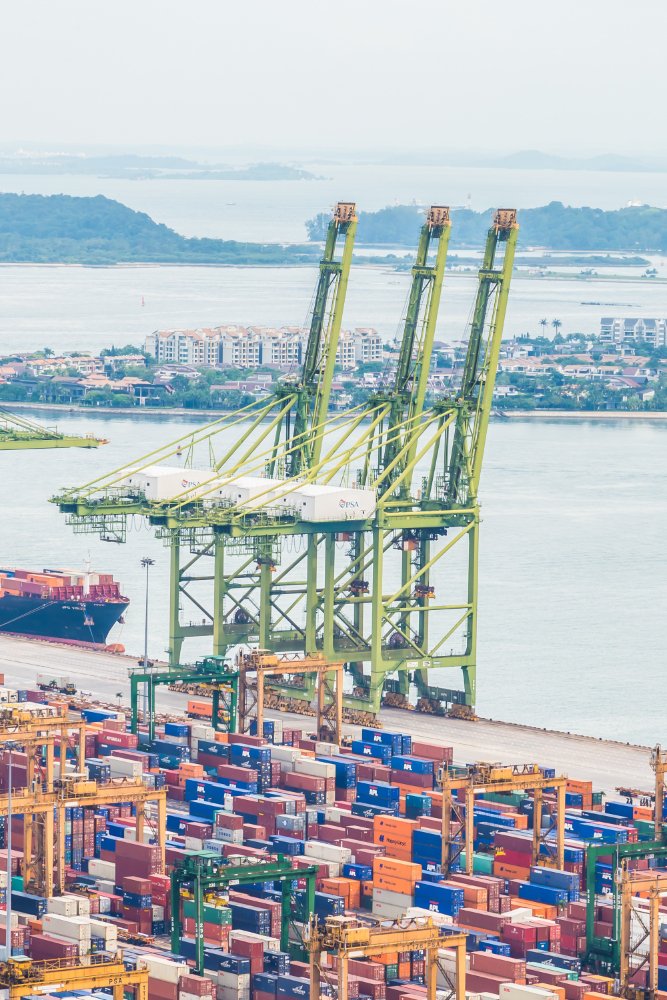

Construction Supplies Import

What services does H&A Trading provide in Construction Materials Import Export?

H&A Trading specializes in Construction Materials Import Export, offering global sourcing, import and export of building materials, construction equipment trading, logistics management, and distribution solutions for residential, commercial, and industrial projects.

What Is Included in Construction Materials Import Export?

AspectDetails
MaterialsCement, steel, tiles, wood, glass
SourcingVerified global manufacturers
Trade ProcessImport and export documentation & handling
QualityStandardized and tested materials
DeliverySecure and timely international shipping

Global Overview of Construction Materials Trade and Supply Chain The construction industry is one of the strongest pillars of global economic development, and its growth depends heavily on the smooth movement of materials, equipment, and resources across international markets. As infrastructure projects expand worldwide, the demand for reliable sourcing, distribution, and trading of construction-related products continues to rise. Efficient trade systems ensure that projects are completed on time, within budget, and with high-quality materials that meet international standards. A well-established Building Materials Export system plays a key role in connecting manufacturers with global markets. It allows construction companies to access essential materials such as cement, steel, timber, and finishing products from different regions. This global exchange strengthens supply chains and supports large-scale infrastructure development. At the same time, Construction Supplies Import ensures that countries with limited local production can still meet their construction demands. By importing high-quality materials, businesses can maintain project consistency and adhere to safety and durability standards required in modern construction. The growth of Construction Equipment Trading has also transformed the industry by making advanced machinery more accessible. Heavy equipment such as excavators, cranes, and loaders are essential for large projects, and international trading ensures that these tools are available where needed most. A structured Building Materials Import Export system helps regulate the flow of goods between countries, ensuring compliance with trade regulations and quality benchmarks. This system supports both suppliers and buyers by creating a balanced and efficient marketplace for construction resources. Reliable Construction Material Suppliers play a critical role in maintaining project timelines. They ensure that essential materials are available in the right quantity and quality, helping contractors avoid delays and maintain productivity across different phases of construction. The demand for International Construction Materials continues to grow as urbanization increases across developing and developed nations. These materials are often sourced from multiple countries, combining cost efficiency with superior quality to meet diverse construction needs. A strong Construction Products Export network supports global infrastructure development by supplying essential building components to international markets. This includes structural materials, decorative elements, and industrial-grade supplies used in both residential and commercial projects. Efficient Import Export Construction Goods operations ensure that materials move smoothly across borders with proper documentation, logistics coordination, and regulatory compliance. This system helps reduce delays and ensures timely delivery to construction sites. A reliable Construction Materials Trading Company acts as a bridge between manufacturers and end users. It manages procurement, quality control, and distribution, ensuring that construction companies receive the right materials at the right time. The availability of Global Construction Supplies has significantly improved the efficiency of infrastructure development projects. With access to a worldwide network of suppliers, construction firms can source materials at competitive prices without compromising quality. Professional Construction Materials Exporters contribute to international trade by supplying bulk construction materials to various regions. Their role is essential in supporting large-scale development projects and maintaining global supply chain stability. Building Materials Trading involves the buying and selling of essential construction products across different markets. This activity helps balance supply and demand while ensuring that materials are accessible to contractors and developers worldwide. The process of Construction Raw Materials Import is crucial for industries that rely on raw inputs such as sand, gravel, steel, and chemicals. These materials form the foundation of construction and are essential for producing finished building components. Efficient Construction Material Logistics ensures that goods are transported safely and delivered on time. This includes warehousing, shipping, customs clearance, and distribution planning, all of which are vital for maintaining supply chain efficiency. A well-organized Construction Material Distribution network ensures that materials reach contractors, builders, and retailers without delay. This system supports smooth project execution and reduces operational bottlenecks. The Construction Industry Supplies sector covers a wide range of products, including structural materials, tools, safety equipment, and finishing supplies. These resources are essential for every stage of construction, from foundation to completion. Strategic Construction Materials Sourcing allows companies to identify the best suppliers based on quality, cost, and reliability. This process helps businesses optimize procurement strategies and maintain competitive advantage. The expansion of International Building Materials Trade has created opportunities for global collaboration in construction projects. Countries now rely on cross-border partnerships to meet infrastructure demands efficiently and cost-effectively. A reliable Construction Material Importers network ensures that high-quality materials are brought into local markets to support ongoing development projects. Importers play a key role in maintaining supply consistency and meeting industry standards. Finally, Construction Material Export Solutions provide tailored services that help businesses streamline their export processes. These solutions include packaging, documentation, logistics management, and compliance support, ensuring smooth international trade operations. In conclusion, the global construction industry relies heavily on a well-coordinated system of sourcing, trading, importing, and exporting materials. From raw inputs to finished products, every stage of the supply chain plays a vital role in supporting infrastructure growth. Efficient trade networks, strong supplier relationships, and advanced logistics systems ensure that construction projects around the world are completed successfully, driving economic development and urban transformation.The Global Construction Supply Chain and Its Role in Modern Infrastructure Development The construction industry is one of the most influential sectors in the global economy, shaping cities, transportation systems, commercial hubs, and residential spaces. Every modern structure—whether a skyscraper, highway, bridge, or industrial facility—depends on a complex and highly coordinated supply chain. This supply chain connects raw material producers, manufacturers, logistics providers, distributors, contractors, and end users across different regions of the world. As infrastructure demand continues to rise, especially in rapidly urbanizing regions, the importance of efficient sourcing, transportation, and distribution systems becomes even more significant. The ability to deliver the right materials at the right time has a direct impact on project success, cost efficiency, and structural quality. The Foundation of Construction Supply Systems At the heart of every construction project lies a diverse range of essential materials. These include basic raw inputs, processed materials, engineered products, and specialized components used in different stages of building. The availability, quality, and consistency of these materials determine the durability and safety of the final structure. Global supply systems ensure that construction companies are not limited by local resource availability. Instead, they can access a wide variety of materials from different regions, each offering unique strengths in terms of cost, performance, and durability. This global access allows contractors and developers to choose the most suitable materials for their specific project requirements. Sourcing and Procurement in a Global Market Procurement is a critical stage in the construction supply chain. It involves identifying reliable suppliers, evaluating product quality, negotiating prices, and ensuring timely delivery. In today’s interconnected world, procurement is no longer limited to local markets. Companies now operate on a global scale, sourcing materials from multiple countries to optimize cost and quality. This international approach allows businesses to remain competitive while maintaining high standards. However, it also requires careful planning, market research, and risk management. Factors such as currency fluctuations, trade regulations, transportation costs, and geopolitical conditions can all influence sourcing decisions. Logistics and Transportation Efficiency Once materials are sourced, the next challenge is moving them efficiently across long distances. Logistics plays a vital role in ensuring that construction materials reach their destination safely and on schedule. This includes transportation planning, warehousing, inventory management, and customs coordination. Efficient logistics systems reduce delays, minimize damage, and lower overall project costs. Advanced tracking technologies now allow companies to monitor shipments in real time, improving transparency and control throughout the supply chain. Proper coordination between suppliers, freight companies, and on-site teams is essential for maintaining smooth operations. Quality Control and Industry Standards Quality assurance is a fundamental requirement in construction supply systems. Materials used in infrastructure projects must meet strict safety, durability, and performance standards. Poor-quality materials can lead to structural failures, increased maintenance costs, and safety risks. To prevent such issues, suppliers and distributors implement rigorous testing and inspection procedures. These checks ensure that materials comply with international standards and are suitable for their intended applications. Quality control also helps build trust between suppliers and buyers, creating long-term business relationships. The Role of Global Trade in Construction Growth International trade has significantly expanded the availability of construction materials worldwide. Countries that lack certain natural resources or manufacturing capabilities rely on imports to meet their infrastructure needs. At the same time, nations with strong production capacities export materials to global markets. This exchange supports economic growth and encourages collaboration between regions. It also helps balance supply and demand, ensuring that construction projects are not delayed due to material shortages. Global trade networks continue to evolve, driven by technological advancements and improved transportation infrastructure. Technology and Digital Transformation in Supply Chains Modern construction supply chains are increasingly powered by digital technologies. Automation, data analytics, and artificial intelligence are being used to improve efficiency, reduce costs, and enhance decision-making. Digital platforms allow companies to manage procurement, track shipments, and monitor inventory in real time. Predictive analytics helps forecast demand and prevent supply shortages. These innovations reduce human error and improve coordination across different stages of the supply chain. Blockchain technology is also being explored to improve transparency and traceability in global trade. By providing secure and verifiable records of transactions, it helps reduce fraud and increase accountability. Sustainability and Environmental Responsibility Sustainability has become a major focus in the construction industry. As environmental concerns grow, companies are under increasing pressure to reduce their carbon footprint and adopt eco-friendly practices. This includes using sustainable materials, optimizing transportation routes, reducing waste, and improving energy efficiency in production and logistics processes. Many organizations are also investing in recycled materials and green building technologies. Sustainable supply chain practices not only benefit the environment but also improve brand reputation and long-term profitability. Governments and regulatory bodies are also introducing stricter environmental standards, encouraging businesses to adopt responsible practices. Challenges in Global Construction Supply Chains Despite advancements, the construction supply chain faces several challenges. These include fluctuating material costs, transportation delays, regulatory complexities, and geopolitical uncertainties. Supply disruptions can significantly impact project timelines and budgets. Natural disasters, political instability, and global crises can also affect material availability and transportation routes. To address these challenges, companies are adopting risk management strategies such as supplier diversification, inventory buffering, and flexible sourcing models. These approaches help maintain stability even in uncertain conditions. Collaboration and Strategic Partnerships Collaboration is essential for maintaining an efficient construction supply ecosystem. Strong relationships between suppliers, contractors, logistics providers, and distributors ensure smooth operations and consistent communication. Strategic partnerships allow companies to share resources, reduce costs, and improve service quality. Long-term collaboration also leads to better planning and increased reliability in material delivery. In many cases, joint ventures and alliances are formed to strengthen market presence and expand global reach. These partnerships play a key role in supporting large-scale infrastructure projects. The Future of Construction Supply Networks The future of construction supply chains will be shaped by innovation, automation, and sustainability. As global demand for infrastructure continues to grow, companies will need to adopt more efficient and resilient systems. Smart technologies will play a greater role in managing logistics, procurement, and inventory. Digital integration will improve visibility across supply networks, making operations more efficient and responsive. Sustainability will also remain a key priority, with increased focus on reducing environmental impact and promoting responsible sourcing practices. The industry is expected to move toward more circular and resource-efficient models. Conclusion The global construction supply chain is a complex and dynamic system that supports the development of modern infrastructure. From sourcing and procurement to logistics and quality control, every stage plays a vital role in ensuring successful project execution. As technology advances and global demand increases, the industry will continue to evolve. Companies that embrace innovation, sustainability, and collaboration will be better positioned to succeed in an increasingly competitive environment. The future of construction depends on efficient systems, strong partnerships, and a commitment to quality and responsibility.Additional Insights on Construction Supply and Global Development As the construction industry continues to expand globally, the importance of efficient coordination across all stages of the supply chain becomes even more critical. Beyond materials and logistics, the industry is increasingly influenced by economic trends, technological advancements, and evolving project requirements. These factors collectively shape how construction projects are planned, executed, and completed in today’s fast-changing environment. One of the major developments in recent years is the shift toward more integrated project planning. Instead of managing procurement, design, and execution separately, modern construction practices emphasize collaboration from the earliest stages. This approach improves accuracy in material estimation, reduces waste, and helps avoid delays caused by miscommunication or poor planning. Digital tools are also transforming how stakeholders interact. Cloud-based platforms allow teams from different locations to work together in real time, sharing updates, documents, and progress reports instantly. This level of connectivity enhances transparency and ensures that all parties remain aligned throughout the project lifecycle. In addition, automation is playing a growing role in improving efficiency. From automated inventory tracking to AI-driven demand forecasting, technology is reducing manual effort and improving decision-making. These innovations help companies respond faster to changes in demand and manage resources more effectively. Another important trend is the increasing emphasis on resilience. Recent global disruptions have highlighted the need for supply systems that can withstand unexpected challenges. As a result, businesses are now focusing on building flexible sourcing strategies, strengthening supplier networks, and improving contingency planning. Workforce development also remains a key priority. Skilled professionals are essential for managing complex operations, operating advanced machinery, and ensuring quality standards are met. Continuous training and upskilling are necessary to keep pace with evolving technologies and industry practices. Looking ahead, the construction sector is expected to become even more interconnected, technology-driven, and sustainability-focused. Companies that adapt to these changes will be better positioned to handle global demand and contribute to large-scale infrastructure development.The construction industry continues to evolve through innovation, global collaboration, and improved efficiency. Strong supply systems, advanced technologies, and sustainable practices will remain essential in supporting future infrastructure growth and meeting rising global development demands.In conclusion, the global construction industry relies heavily on a well-coordinated system of sourcing, trading, importing, and exporting materials. From raw inputs to finished products, every stage of the supply chain plays a vital role in supporting infrastructure growth. Efficient trade networks, strong supplier relationships, and advanced logistics systems ensure that construction projects around the world are completed successfully, driving economic development and urban transformation.