
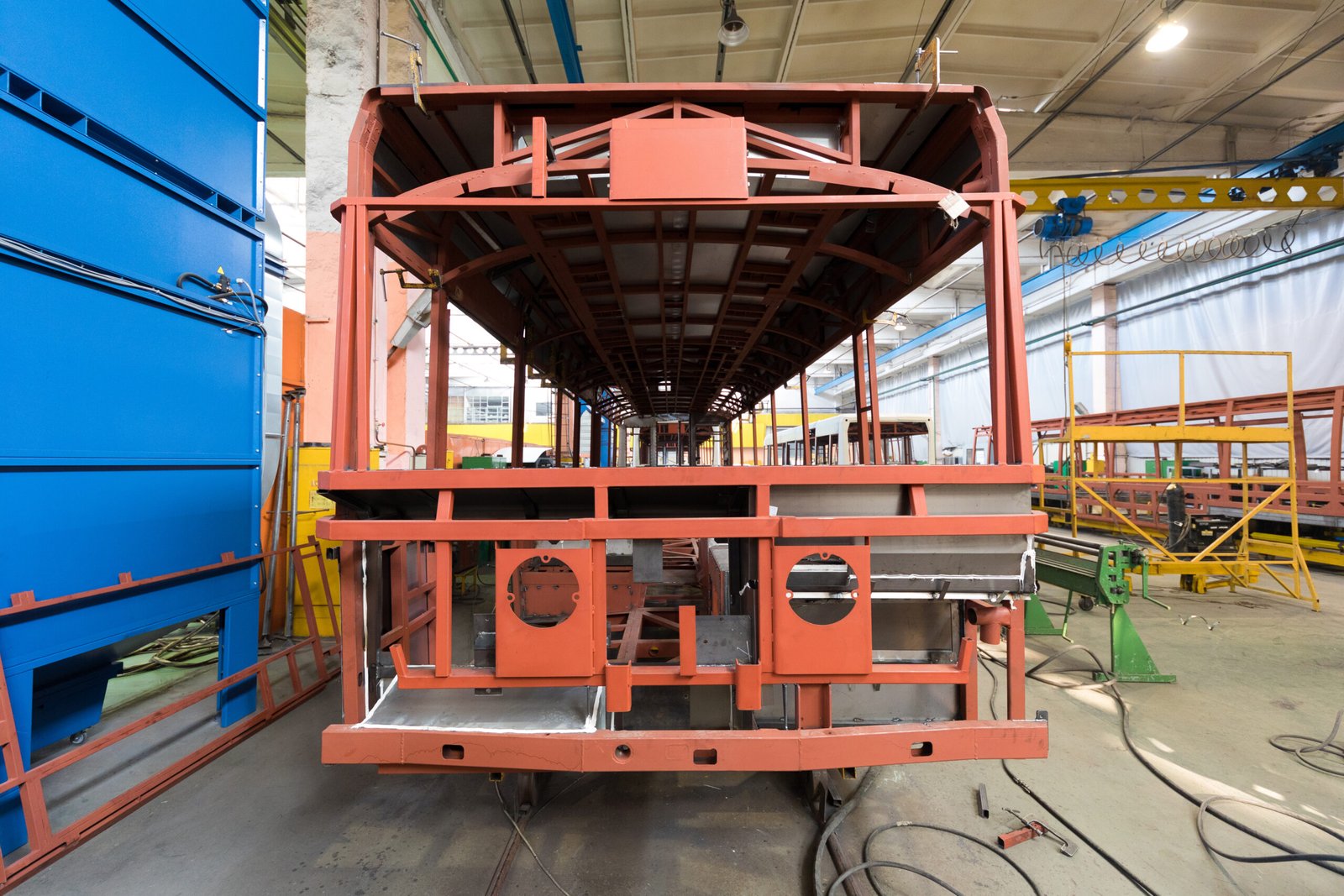
The export of industrial grade machinery has become a key driver of global trade, supporting industries such as manufacturing, construction, energy, and agriculture. Businesses worldwide are increasingly investing in cross-border equipment trade to expand markets, improve profitability, and meet global demand.
Whether you’re a startup or an established exporter like H&A Trading, understanding the complete industrial machinery export process is essential. From documentation and logistics to compliance and risk management, every step plays a crucial role in successful exports.
This guide explains everything in simple terms—helping you navigate international markets with confidence.
Why Export Industrial Machinery?
Exporting machinery offers huge opportunities due to increasing global industrialization. Many developing countries depend on imported equipment to boost infrastructure and production.
Key Reasons:
- Growing global demand for industrial equipment
- Expansion into international markets
- Higher profit margins compared to local sales
- Diversification of business risks
- Long-term business relationships
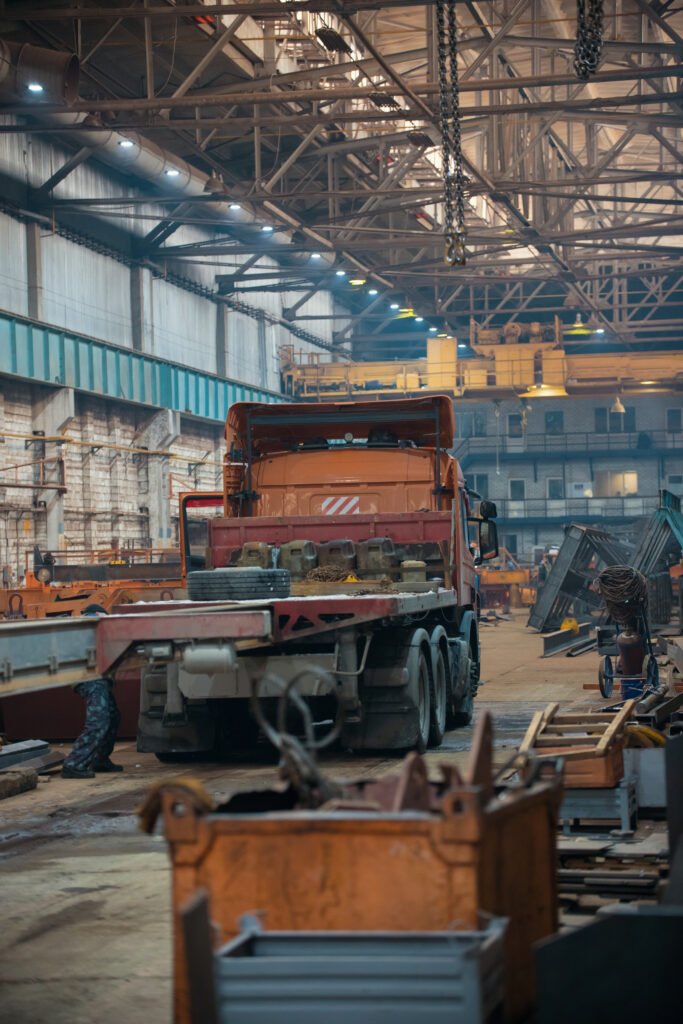
Complete Guide to Industrial Machinery Export Process and Benefits
Benefits of Exporting Industrial Equipment
1. Increased Revenue Potential
Selling internationally opens access to larger markets, increasing overall sales.
2. Market Expansion
Entering new regions helps businesses grow beyond domestic limitations.
3. Competitive Advantage
Exporters gain global recognition and stronger brand positioning.
4. Economies of Scale
Higher production volumes reduce cost per unit.
5. Business Stability
Diversifying markets reduces dependency on a single economy.
Industrial Machinery Export Process
Understanding the industrial machinery export process ensures smooth operations.
Step 1: Market Research
Identify countries with demand for your machinery. Analyze competition and pricing.
Step 2: Compliance & Regulations
Follow machinery export regulations based on destination country laws.
Step 3: Documentation
Prepare essential industrial export documentation, including:
- Commercial invoice
- Packing list
- Bill of lading
- Certificate of origin
- Export license
Step 4: Pricing & Costing
Calculate machinery export costs, including:
- Production cost
- Shipping
- Insurance
- Customs duties
Step 5: Logistics & Shipping
Arrange heavy equipment shipping with reliable freight partners.
Step 6: Payment & Finance
Secure payments using:
- Letter of Credit (LC)
- Advance payment
- Export financing
Export Heavy Machinery: Key Considerations
Exporting large equipment involves additional planning.
Important Factors:
- Weight and size restrictions
- Specialized transport
- Handling equipment
- Insurance coverage
Proper planning ensures safe and cost-effective delivery.
Machinery Export Regulations
Every country has specific rules for exporting machinery.
Common Requirements:
- Export licenses
- Safety certifications
- Environmental compliance
- Trade agreements
Staying updated with export compliance machinery laws prevents legal issues.
Export Industrial Equipment Documentation
Documentation is critical in international trade.
Essential Documents:
- Export license
- Customs declaration
- Insurance certificate
- Inspection certificate
Accurate paperwork ensures smooth customs clearance.
Machinery Export Costs Breakdown
Understanding costs helps in pricing strategy.
Cost Components:
- Manufacturing cost
- Packaging cost
- Freight charges
- Customs duties
- Taxes and insurance
Efficient cost management improves profit margins.
Heavy Equipment Shipping & Logistics
Shipping Methods:
- Sea freight (most common)
- Air freight (urgent deliveries)
- Road transport (regional trade)
Export Logistics Machinery Tips:
- Choose reliable freight forwarders
- Use proper packaging
- Track shipments in real-time
Export Compliance Machinery
Compliance ensures legal and smooth operations.
Key Areas:
- Product standards
- Safety certifications
- Export restrictions
- Trade policies
Non-compliance can lead to delays and penalties.
Machinery Export Business Strategy
Starting a machinery export business requires planning.
Key Elements:
- Market research
- Supplier partnerships
- Pricing strategy
- Marketing plan
Building a strong foundation ensures long-term success.
Customs on Machinery Export
Customs procedures vary by country.
Key Steps:
- Declare goods
- Pay duties and taxes
- Submit documents
Understanding customs on machinery export avoids delays.
Freight for Machinery Export
Freight selection impacts cost and delivery time.
Options:
- Full Container Load (FCL)
- Less than Container Load (LCL)
- Breakbulk shipping
Choose based on cargo size and urgency.
Export Packaging Machinery Requirements
Proper packaging protects machinery during transit.
Best Practices:
- Use strong wooden crates
- Waterproof wrapping
- Shock-resistant materials
Good packaging reduces damage risks.
Find Buyers for Machinery Export
Methods:
- Online B2B platforms
- Trade fairs
- Industry networks
- Digital marketing
Finding reliable buyers is key to business growth.
Machinery Export License & Certification
Exporters must obtain:
- Export license
- Quality certification
- Safety approvals
These ensure compliance with international standards.
Machinery Export Trends
Current Trends:
- Automation and smart machinery
- Sustainable equipment
- Digital trade platforms
- Emerging markets growth
Staying updated helps businesses stay competitive.
Global Machinery Trade Opportunities
The global machinery trade market is expanding rapidly.
High-demand sectors:
- Construction
- Manufacturing
- Energy
- Agriculture
Emerging economies offer strong growth potential.
Machinery Export Finance Options
Common Financing Methods:
- Export credit
- Bank loans
- Government schemes
- Trade finance
Proper financing ensures smooth operations.
Machinery Export Risks & Solutions
Common Risks:
- Payment delays
- Shipping damage
- Regulatory changes
- Currency fluctuations
Solutions:
- Use secure payment methods
- Insure shipments
- Stay updated with regulations
Machinery Export Certification Requirements
Certifications build trust and ensure compliance.
Examples:
- ISO certification
- CE marking
- Safety standards
These improve credibility in global markets.
Features of Successful Machinery Export Businesses
- Strong supply chain
- Reliable logistics partners
- Compliance expertise
- Customer-focused approach
How Does Export of Industrial Grade Machinery Work?
| Step | Process | Key Requirement | Outcome |
|---|---|---|---|
| Market Research | Identify demand in target countries | Industry analysis | Better market selection |
| Compliance Check | Follow export laws and standards | Legal documentation | Smooth approval |
| Documentation | Prepare export papers | Invoice, license, certificates | Hassle-free clearance |
| Packaging | Secure machinery for transport | Strong materials | Damage prevention |
| Shipping | Arrange transport and delivery | Freight services | Timely delivery |
| Payment | Complete financial transactions | Secure payment method | Safe and confirmed payment |



We facilitate import, export, and specialized trade services to connect businesses to the products they need.
Links
Our Services
Copyright © 2025 All Right Reserved H&A TRADING. Powered by Adsonz