alt="Poultry processing and packaging for international export"

The global demand for safe, high-quality poultry products continues to grow every year. As a global poultry processing exporter, H&A Trading plays a key role in connecting poultry producers with international markets through reliable sourcing, certified processing, and efficient export logistics.

Within the first stages of poultry processing to final international delivery, quality, safety, and compliance matter most. H&A Trading focuses on delivering processed poultry products that meet global standards while maintaining affordability, sustainability, and consistency for buyers worldwide.

This guide explains why choosing the right global poultry processing exporter matters, the benefits of working with H&A Trading, our processing standards, export strategies, and how global poultry trade is evolving.

Why the Global Poultry Processing Exporter Role Is Critical Today

The poultry industry has transformed into a highly regulated, technology-driven global market. Buyers are no longer just looking for suppliers; they want certified international poultry suppliers who understand logistics, compliance, and quality assurance.

As a global poultry processing exporter, H&A Trading helps bridge this gap by offering:

  • Reliable access to worldwide chicken meat suppliers

  • Compliance with international poultry export requirements

  • Stable supply chains for frozen and processed chicken

  • Competitive pricing for wholesale and bulk buyers

With rising population growth and protein demand, processed chicken remains one of the most traded food products globally.
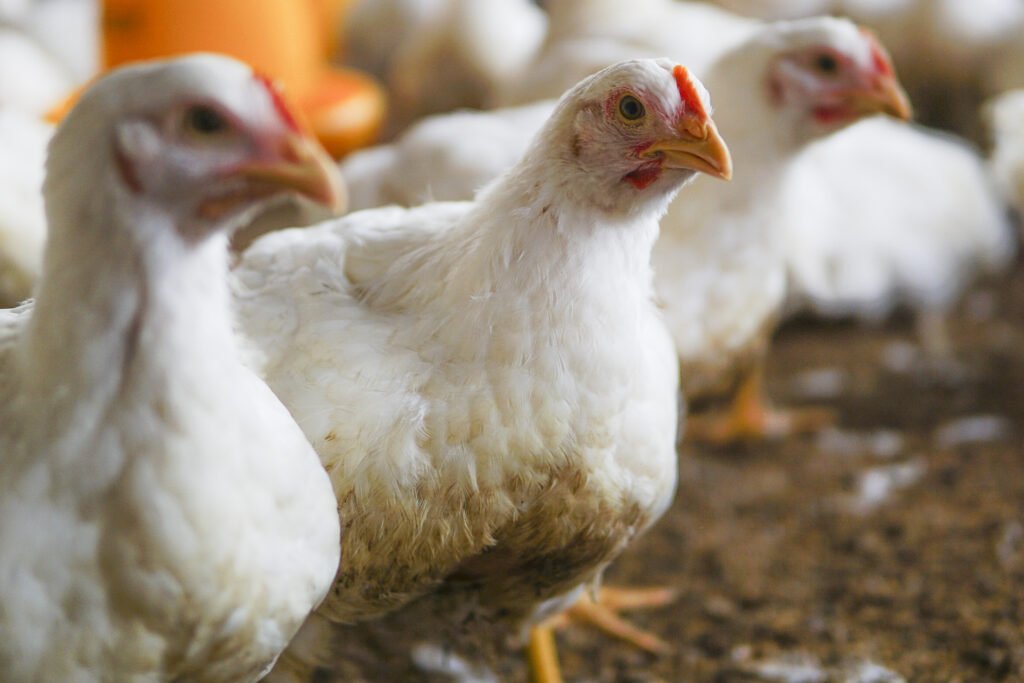
alt="Poultry processing and packaging for international export"

Comprehensive Poultry Processing, Export Standards, and Global Trade Solutions by H&A Trading

Sustainable Poultry Processing Methods for a Better Future

Sustainability is no longer optional in the poultry industry. Buyers and regulators demand environmentally responsible practices.

How Sustainability Shapes Poultry Processing

Sustainable poultry processing methods focus on:

  • Reduced water and energy usage

  • Ethical animal handling

  • Waste minimization and by-product utilization

  • Eco-friendly packaging for frozen poultry

H&A Trading partners with processors who follow responsible production practices, supporting long-term global food security.


Poultry Processing Standards for Export Compliance

Exporting poultry requires strict adherence to international safety and quality benchmarks.

Key Poultry Processing Standards for Export

  • HACCP-based food safety systems

  • Cold chain integrity for frozen poultry supply chain management

  • Sanitation and hygiene protocols

  • Traceability from farm to shipment

By following global standards, H&A Trading ensures products are accepted across multiple international markets.


Global Frozen Chicken Suppliers and Product Consistency

Frozen poultry remains the backbone of global poultry trade due to its long shelf life and ease of transport.

Why Frozen Poultry Is in High Demand

  • Preserves freshness and nutritional value

  • Reduces spoilage during long-distance shipping

  • Ideal for bulk and wholesale poultry exporters

H&A Trading works with global frozen chicken suppliers that maintain consistent quality across all shipments.


Products Offered by H&A Trading

As a global poultry processing exporter, H&A Trading offers a wide range of poultry products for international buyers.

Poultry Products Available for Export

  • Whole frozen chicken

  • Chicken breast, thighs, wings, and drumsticks

  • Processed and portioned poultry cuts

  • Custom bulk orders for wholesalers

Each product meets export quality requirements and market-specific regulations.


Benefits of Working With a Global Poultry Processing Exporter

Choosing an experienced exporter reduces risks and improves operational efficiency.

Key Benefits for International Buyers

  • Reliable access to high-quality poultry meat exporters

  • Cost efficiency through bulk procurement

  • Simplified compliance with poultry export regulations

  • Professional handling of documentation and logistics

H&A Trading ensures dependable supply even during market fluctuations.


Poultry Processing Equipment for Exporters and Efficiency

Modern poultry processing relies heavily on advanced technology.

Importance of Advanced Processing Equipment

  • Improves hygiene and safety

  • Enhances processing speed and consistency

  • Reduces waste and contamination risks

H&A Trading partners only with facilities using industry-approved poultry processing equipment for exporters.


Best Practices in Poultry Export Logistics

Logistics can make or break an international poultry shipment.

Key Poultry Export Logistics Practices

  • Temperature-controlled storage and transport

  • Reliable freight partners

  • Export documentation accuracy

  • Timely port clearance

These best practices in poultry export logistics allow H&A Trading to deliver products safely across continents.


Poultry Export Compliance Requirements Worldwide

Each importing country has its own regulations for poultry products.

Common Compliance Areas

  • Veterinary health certificates

  • Import permits and labeling standards

  • Packaging and shelf-life rules

H&A Trading stays updated with global poultry export compliance requirements to minimize shipment delays.


Organic Poultry Exporters Worldwide and Market Demand

Organic poultry continues to gain popularity among health-conscious consumers.

Why Organic Poultry Matters

  • Raised without synthetic additives

  • Higher perceived quality and safety

  • Premium pricing in global markets

H&A Trading supports buyers looking to source from organic poultry exporters worldwide.


Global Demand for Processed Chicken

Processed chicken remains one of the fastest-growing protein segments.

Drivers of Global Demand

  • Urbanization and changing food habits

  • Growth of food service and retail chains

  • Affordability compared to other proteins

This trend creates new opportunities for a global poultry processing exporter like H&A Trading.


Affordable Global Poultry Suppliers for Wholesale Buyers

Cost efficiency is critical for large-scale buyers.

H&A Trading connects clients with affordable global poultry suppliers while maintaining quality and compliance. This balance helps wholesalers remain competitive in their local markets.


International Poultry Trade Opportunities in 2026 and Beyond

According to poultry processing industry trends 2026, growth will continue in:

  • Asia and the Middle East

  • Africa’s emerging protein markets

  • Processed and value-added poultry products

H&A Trading helps buyers and distributors capitalize on these international poultry trade opportunities.


Efficient Poultry Export Strategies Used by H&A Trading

Export success depends on planning and experience.

Our Export Strategy Includes:

  • Market-specific sourcing

  • Flexible shipping options

  • Risk management in supply chains

  • Long-term supplier relationships

These efficient poultry export strategies help reduce costs and delays.


How to Export Poultry Internationally With Confidence

Many new buyers ask how to export poultry internationally without complications.

H&A Trading provides step-by-step guidance, from product selection to final delivery, making the export process smooth and transparent.

What Does a Global Poultry Processing Exporter Offer?

CategoryDescription
Product TypeFrozen and processed poultry products
Available CutsWhole chicken, breast, wings, thighs, drumsticks
Processing MethodHygienic, quality-controlled processing
Quality StandardsInternational food safety and export standards
Sustainability FocusResponsible sourcing and efficient resource use
Packaging OptionsBulk and customized export packaging

Why should I choose H&A Trading as my global poultry processing exporter?

H&A Trading offers certified suppliers, strong logistics support, and deep knowledge of international poultry trade, making us a reliable global poultry processing exporter.

About H&A Trading – Experience You Can Trust H&A Trading is a professional trading company specializing in global poultry export solutions. Our expertise covers sourcing, processing coordination, certification, logistics, and international trade compliance. What Makes H&A Trading Different? Strong network of top poultry processing companies for export Focus on long-term partnerships rather than one-time transactions Commitment to food safety, traceability, and ethical sourcing Knowledge of international poultry trade opportunities Our team understands both supplier and buyer needs, ensuring smooth transactions across borders. The Strategic Role of a Global Poultry Processing Exporter in the Modern Food Supply Chain A global poultry processing exporter plays a vital role in ensuring stable food supply across regions with varying production capabilities. As international trade grows, countries increasingly rely on experienced exporters to meet local demand while maintaining food safety and affordability. H&A Trading operates at the center of this ecosystem by coordinating sourcing, processing, quality control, and delivery. This integrated approach helps reduce disruptions and ensures buyers receive consistent poultry products regardless of market volatility. By working closely with worldwide chicken meat suppliers, H&A Trading ensures uninterrupted supply even during seasonal or geopolitical challenges. How Sustainable Poultry Processing Methods Improve Long-Term Supply Reliability Sustainable poultry processing methods are no longer just an ethical choice; they directly affect production efficiency and long-term availability. Environmental and Economic Impact Sustainability-driven processing reduces: Excess water consumption Energy waste Environmental contamination This lowers operational costs, allowing affordable global poultry suppliers to remain competitive without compromising quality. Social Responsibility and Brand Trust Ethical animal handling and transparent sourcing also improve trust among buyers and regulators. H&A Trading prioritizes partners who follow internationally accepted welfare standards, strengthening long-term buyer confidence. Poultry Processing Industry Trends 2026: What Global Buyers Should Expect Understanding poultry processing industry trends 2026 helps buyers make informed sourcing decisions. Key Industry Trends Increased automation in poultry processing equipment for exporters Higher demand for traceable and certified international poultry suppliers Growth of value-added and portion-controlled poultry products Expansion of cold-chain infrastructure in developing regions H&A Trading aligns its export strategies with these trends to keep clients ahead of the market. Organic Poultry Exporters Worldwide: A Growing Premium Segment Organic poultry exporters worldwide are experiencing rising demand from premium markets. Benefits of Organic Poultry Higher consumer trust Strong demand in developed economies Better margins for suppliers and distributors H&A Trading supports sourcing organic poultry products for buyers targeting high-value markets. Affordable Global Poultry Suppliers Without Compromising Quality Cost control is critical for wholesalers and distributors. H&A Trading balances affordability with compliance by working with low-cost poultry export solutions that still meet international quality standards. This approach allows buyers to maintain competitive pricing in their local markets. The Evolution of the Poultry Trade in the Global Food System Poultry has become one of the most widely consumed sources of animal protein in the world. Its affordability, adaptability to different cuisines, and efficient production cycle make it a critical part of global food security. Over the past few decades, the poultry trade has evolved from small regional exchanges into a complex international system involving producers, processors, logistics providers, regulators, and distributors. This evolution has been driven by population growth, urbanization, and changing dietary habits. As consumers seek reliable access to safe and affordable protein, the role of structured supply networks has become increasingly important. Companies that understand this complexity are better positioned to serve international markets effectively. Building Trust Across International Supply Chains Trust is the foundation of any long-term trade relationship. In the food sector, trust goes beyond pricing and availability; it includes safety, consistency, transparency, and ethical responsibility. Buyers want assurance that products are handled correctly at every stage, from sourcing to delivery. This requires clear documentation, open communication, and a strong understanding of regulatory expectations in different regions. Companies that invest in these areas are more likely to build lasting partnerships and repeat business. Strong relationships with producers also contribute to trust. When suppliers and exporters work collaboratively, issues can be identified early and resolved efficiently, reducing the risk of disruptions. Quality Control as a Continuous Process Quality control is not a single checkpoint; it is a continuous process that spans the entire production and distribution cycle. From raw material handling to packaging and transportation, each step influences the final outcome. Consistent monitoring, routine inspections, and staff training are essential components of effective quality management. Technology also plays a growing role, enabling better tracking, data analysis, and reporting. These systems help ensure that products meet the expectations of buyers and comply with local regulations. When quality control is embedded into daily operations rather than treated as an afterthought, businesses are better equipped to maintain reliability across large volumes and multiple destinations. The Importance of Cold Chain Integrity Temperature management is one of the most critical factors in poultry distribution. Even minor deviations can affect product safety and shelf life. Maintaining proper conditions requires coordinated efforts across storage facilities, transport providers, and port operators. Advanced monitoring tools now allow real-time tracking of temperature and humidity during transit. This visibility helps reduce losses and provides buyers with confidence that products arrive in optimal condition. Investing in strong cold chain infrastructure is not only a technical requirement but also a strategic advantage in competitive markets. Regulatory Awareness and Adaptability Regulatory environments vary widely between countries and regions. Import requirements may change due to health concerns, policy updates, or geopolitical factors. Staying informed and adaptable is essential for smooth operations. Successful exporters dedicate resources to understanding international regulations and maintaining up-to-date compliance systems. This includes accurate labeling, proper certification, and adherence to hygiene standards. By anticipating regulatory changes rather than reacting to them, companies can avoid delays and maintain uninterrupted trade flows. Ethical Responsibility and Industry Reputation Ethical practices are increasingly important to buyers, consumers, and regulators alike. Animal welfare, environmental responsibility, and fair labor practices all contribute to a company’s reputation. Organizations that prioritize ethical standards are more likely to attract long-term partners and access premium markets. Transparency in sourcing and operations also helps build credibility and reduce reputational risks. Ethical responsibility is not just about meeting minimum requirements; it reflects a commitment to sustainable growth and social accountability. Workforce Skills and Operational Excellence Behind every successful operation is a skilled workforce. Training, safety awareness, and clear operational procedures all contribute to efficiency and quality outcomes. As technology becomes more integrated into processing and logistics, ongoing education becomes even more important. Employees who understand both traditional practices and modern systems are better equipped to adapt to industry changes. Investing in people is one of the most effective ways to improve performance and reduce operational risks. Managing Supply and Demand Fluctuations The poultry market is influenced by seasonal demand, economic conditions, and global events. Managing these fluctuations requires careful planning and flexible sourcing strategies. Diversified supplier networks help reduce dependency on single regions, while accurate demand forecasting supports better inventory management. Companies that can adjust quickly to changing conditions are more resilient during periods of uncertainty. Effective communication with buyers also plays a role, allowing expectations to be aligned and potential challenges addressed proactively. Technology and Digital Transformation in Trade Operations Digital tools are reshaping how poultry trade operations are managed. From inventory systems to documentation platforms, technology improves accuracy, speed, and transparency. Automation reduces manual errors, while data analytics supports better decision-making. Digital records also make audits and inspections more efficient, saving time and resources. As digital adoption increases, companies that embrace these tools will gain operational advantages and stronger market positioning. Packaging Innovations and Product Protection Packaging serves multiple purposes: protection, preservation, and communication. Advances in materials and design have improved durability while reducing environmental impact. Proper packaging helps prevent contamination, maintains freshness, and ensures compliance with labeling requirements. Clear labeling also supports traceability and consumer confidence. Choosing the right packaging solutions is a strategic decision that affects both product quality and brand perception. Long-Term Planning and Business Continuity Sustainable growth requires long-term planning. This includes financial management, risk assessment, and investment in infrastructure and relationships. Business continuity plans help organizations prepare for unexpected disruptions such as transportation delays, supply shortages, or regulatory changes. Companies with clear contingency strategies are better positioned to maintain service levels during challenging periods. Long-term thinking also supports steady expansion into new markets without compromising existing operations. Collaboration Across the Value Chain No single entity operates in isolation. Collaboration across the value chain—producers, processors, logistics providers, and buyers—enhances efficiency and reduces risk. Open communication and shared goals help align expectations and improve problem-solving. Collaborative approaches also support innovation and continuous improvement. When stakeholders work together, the entire system becomes more resilient and responsive. Meeting the Expectations of Modern Buyers Today’s buyers are more informed and selective than ever before. They look for reliability, transparency, and responsiveness in their trading partners. Clear communication, consistent documentation, and timely updates all contribute to positive buyer experiences. Companies that prioritize customer service alongside operational efficiency are more likely to build loyalty and long-term partnerships. Understanding buyer expectations across different regions is essential for effective international trade. Preparing for the Future of Global Food Trade The global food trade will continue to evolve as populations grow and consumption patterns change. Sustainability, technology, and regulatory alignment will play increasingly important roles. Organizations that invest in adaptability, innovation, and responsible practices will be better equipped to navigate future challenges. Continuous learning and improvement will remain essential in a dynamic global environment. By focusing on quality, trust, and long-term value, companies can contribute meaningfully to global food security while achieving sustainable business growth. Closing Perspective The poultry trade is more than a commercial activity; it is a vital component of the global food system. Success in this field requires a balance of technical expertise, ethical responsibility, and strategic foresight. Organizations that understand the full scope of the industry—from production to delivery—are better positioned to meet global needs reliably and responsibly. Through careful planning, collaboration, and commitment to excellence, long-term success becomes achievable in an increasingly interconnected world. Strengthening Transparency Through Documentation and Reporting Clear and accurate documentation is essential in international food trade. Every shipment involves multiple records, including origin details, safety certifications, transport conditions, and delivery confirmations. When documentation is complete and well-organized, it reduces delays and misunderstandings between trading partners. Transparent reporting also supports accountability. Buyers want visibility into processes and timelines, especially when shipments move across long distances. Providing regular updates and clear records helps establish confidence and prevents disputes. Over time, this transparency becomes a competitive advantage, as buyers prefer partners who communicate openly and consistently. Digital documentation systems have made this process more efficient. Electronic records reduce errors, speed up approvals, and make it easier to retrieve information during audits or inspections. As global trade becomes more regulated, strong documentation practices are no longer optional but essential for smooth operations. Risk Awareness and Preventive Planning Risk management is a critical part of long-term success in the poultry trade. Risks can arise from supply disruptions, transportation delays, regulatory changes, or unexpected market shifts. Identifying these risks early allows businesses to prepare effective response plans. Preventive planning includes diversifying supply sources, maintaining buffer inventories, and establishing alternative transport routes. It also involves continuous monitoring of external factors such as policy updates, weather conditions, and global economic trends. Companies that proactively manage risks are better able to maintain stability during uncertain periods. Training teams to recognize potential issues and respond quickly is equally important. When staff understand risk scenarios and procedures, problems can be resolved before they escalate into major disruptions. The Role of Consistency in Building Market Confidence Consistency is one of the most valued qualities in international trade relationships. Buyers expect products to meet the same standards with every shipment, regardless of volume or destination. Inconsistent quality or delivery schedules can quickly damage trust. Achieving consistency requires disciplined processes, regular performance reviews, and clear communication across all partners involved. Standard operating procedures help ensure that each stage of the operation follows the same guidelines, reducing variability. When consistency becomes a core principle, it strengthens brand reputation and encourages repeat business. Over time, this reliability allows companies to expand into new markets with greater confidence and credibility.