
packaged food supply chain solutions

In today’s competitive global market, packaged food supply chain solutions are essential for brands that want to deliver safe, fresh, and high-quality products worldwide. From sourcing raw materials to retail food distribution, every step must be efficient, traceable, and cost-effective.

At H&A Trading, we provide integrated supply chain systems designed specifically for packaged food businesses. Our expertise covers logistics, warehousing, cold storage, inventory tracking, export management, and advanced technology solutions. Whether you are a startup food brand or a multinational distributor, our solutions help you reduce risk, improve visibility, and scale with confidence.

Introduction to Modern Packaged Food Supply Chains

The packaged food industry has evolved rapidly over the past decade. Global trade, eCommerce growth, stricter food safety regulations, and rising consumer expectations demand smarter systems. Companies now require:

  • Real-time food supply chain visibility

  • Reliable perishable goods transport

  • Sustainable food supply chain practices

  • Data-driven food demand forecasting

Traditional supply chains are no longer enough. Businesses need connected, technology-enabled networks that ensure efficiency at every stage.

H&A Trading delivers complete packaged food supply chain solutions designed for modern global operations.
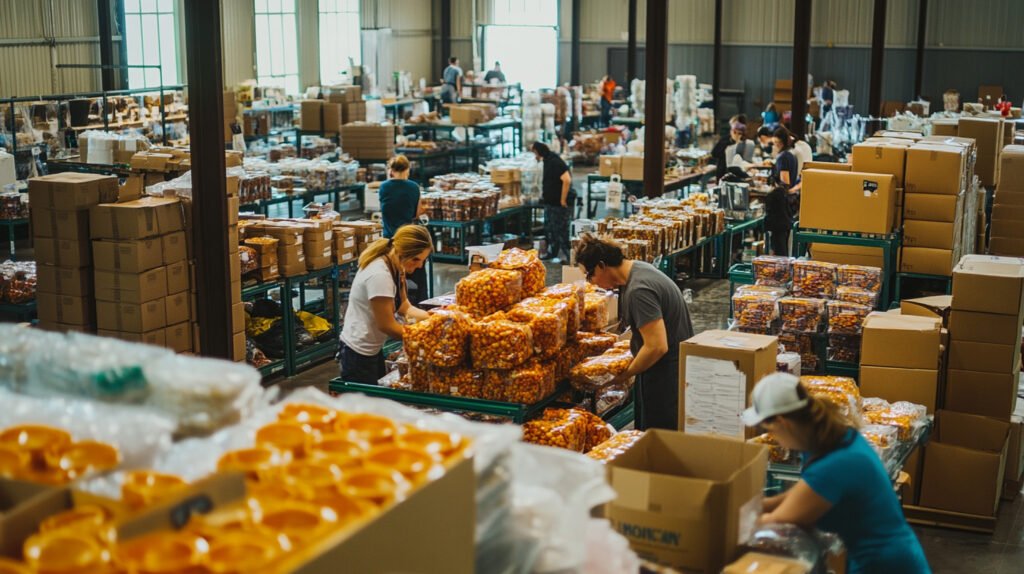
packaged food supply chain solutions

Comprehensive Packaged Food Supply Chain Solutions by H&A Trading

Why Businesses Need Advanced Packaged Food Supply Chain Solutions

1. Increasing Global Demand

Consumers worldwide expect consistent product quality. Delays or spoilage damage brand reputation. With global food export logistics growing every year, efficient distribution systems are critical.

2. Complex Food Safety Regulations

Governments enforce strict food safety logistics standards. Traceability and documentation are no longer optional—they are mandatory.

3. Rising Operational Costs

Fuel prices, storage costs, and labor expenses continue to rise. Businesses must adopt food supply chain optimization strategies to stay profitable.

4. Demand for Transparency

Customers want to know where their food comes from. Food traceability systems help build trust and ensure compliance.


Core Services at H&A Trading

1. Food Supply Chain Software Integration

Modern supply chains rely on digital systems. H&A Trading implements advanced food supply chain software that provides:

  • Real-time shipment tracking

  • Automated food inventory tracking

  • AI-powered food demand forecasting

  • Performance dashboards

Our systems integrate procurement, warehousing, and retail food distribution into one seamless platform.

Benefits

  • Reduced manual errors

  • Better inventory planning

  • Improved customer satisfaction

  • Data-based decision making


2. Packaged Food Logistics Management

Efficient packaged food logistics ensures products reach markets safely and on time.

Services Include:

  • Route optimization

  • Multi-modal transport coordination

  • Perishable goods transport solutions

  • Temperature monitoring

Our logistics network operates globally, ensuring smooth food export logistics for international brands.


3. Cold Chain Food Solutions

Temperature control is critical for many packaged foods.

Food Cold Storage Solutions

H&A Trading provides:

  • Climate-controlled warehouses

  • Real-time temperature tracking

  • Cold chain monitoring technology

Reliable cold chain food solutions reduce spoilage, maintain product integrity, and protect brand value.


4. Food Distribution Systems

Efficient food distribution systems ensure fast delivery from production centers to retailers.

We design scalable distribution models for:

  • Supermarkets

  • Wholesalers

  • eCommerce platforms

  • Direct-to-consumer channels

Our retail food distribution network supports both local and international markets.


5. Food Warehouse Automation

Manual warehouses increase errors and costs. H&A Trading implements food warehouse automation including:

  • Automated picking systems

  • Barcode & RFID tracking

  • Smart storage layouts

  • Digital inventory audits

Automation improves speed, accuracy, and operational efficiency.


6. Food Inventory Tracking

Inventory mismanagement leads to waste and lost revenue. Our advanced food inventory tracking system provides:

  • Real-time stock levels

  • Expiry date monitoring

  • Batch tracking

  • Automated alerts

This improves turnover rates and reduces overstocking.


7. Food Traceability Systems

Traceability builds trust and ensures compliance.

Our food traceability systems track products from raw material sourcing to final delivery. In case of recall, businesses can quickly identify affected batches.


8. Food Safety Logistics

Safety is the foundation of every packaged food supply chain.

H&A Trading ensures:

  • Compliance with international standards

  • Proper storage protocols

  • Documented inspection processes

  • Hazard control monitoring

This reduces regulatory risks and protects consumers.


9. Food Demand Forecasting

Demand uncertainty can cause overproduction or stock shortages.

Using AI-based food demand forecasting, we help brands:

  • Predict seasonal trends

  • Optimize procurement

  • Reduce waste

  • Improve service levels

Data-driven forecasting strengthens supply chain stability.


10. Food Supply Chain Visibility

Full transparency improves decision-making.

Our food supply chain visibility tools provide:

  • Real-time shipment updates

  • Warehouse performance tracking

  • Risk alerts

  • Analytics reports

This empowers managers to act quickly.


11. Food Supply Risk Management

Global disruptions—from pandemics to geopolitical issues—can interrupt supply chains.

H&A Trading offers structured food supply risk management strategies:

  • Supplier diversification

  • Contingency planning

  • Real-time monitoring

  • Risk analysis dashboards

This protects business continuity.


12. Food Supply Chain Consulting

Our food supply chain consulting team evaluates current systems and recommends improvements.

We provide:

  • Process audits

  • Cost reduction strategies

  • Technology integration guidance

  • Global expansion planning

Our expertise ensures long-term scalability.


13. Sustainable Food Supply Chain

Sustainability is no longer optional.

H&A Trading supports a sustainable food supply chain through:

  • Reduced carbon transport routes

  • Eco-friendly packaging partnerships

  • Energy-efficient warehouses

  • Waste reduction programs

Sustainable operations improve brand reputation and regulatory compliance.


14. Packaged Goods Fulfillment

Efficient packaged goods fulfillment ensures accurate order processing.

We provide:

  • Automated order picking

  • Labeling & packaging

  • Cross-docking services

  • Global shipping coordination

This supports eCommerce growth and retail partnerships.


Benefits of Choosing H&A Trading

1. End-to-End Solutions

From sourcing to retail food distribution, we manage every stage.

2. Global Expertise

We support food export logistics across multiple continents.

3. Technology-Driven Operations

Our advanced food supply chain software ensures real-time control.

4. Cost Efficiency

Food supply chain optimization reduces waste and operational costs.

5. Regulatory Compliance

We meet global food safety logistics standards.

6. Scalability

Our systems grow with your business.


Products Supported in Our Supply Chain

H&A Trading’s packaged food supply chain solutions support:

  • Frozen foods

  • Ready-to-eat meals

  • Dairy products

  • Dry grocery items

  • Snack foods

  • Beverages

  • Canned goods

  • Health food products

Each category is managed with customized cold chain food solutions and distribution strategies.

How Do Packaged Food Supply Chain Solutions Improve Operational Performance?

Operational AreaTraditional MethodStructured SolutionPerformance Improvement
PlanningManual forecastingData-based forecasting toolsHigher accuracy
Inventory ControlPeriodic stock checksReal-time monitoringReduced waste
TransportationFixed delivery routesRoute optimization systemsFaster transit
StorageBasic warehousingTemperature-controlled facilitiesBetter product safety
DocumentationPaper-based recordsDigital documentationFaster compliance
Risk HandlingReactive responseProactive monitoring systemsFewer disruptions

How can H&A Trading help improve my packaged food supply chain solutions?

H&A Trading provides end-to-end packaged food supply chain solutions, including logistics, cold chain management, and inventory optimization for global businesses.

Implementation Strategy for Global Food Operations Building a reliable global food operation requires more than transportation and storage. It demands planning, coordination, technology integration, risk preparation, and strong partnerships. At H&A Trading, implementation follows a structured, experience-based approach designed to reduce disruption and maximize long-term performance. Step 1: Assessment and Operational Audit Before designing improvements, we conduct a full operational audit. This includes: Current supplier network analysis Storage infrastructure review Transportation performance tracking Demand pattern evaluation Compliance documentation review Cost structure breakdown This stage identifies gaps, inefficiencies, and opportunities for measurable improvement. Step 2: Strategic Design and Roadmap Development After evaluation, our team develops a roadmap aligned with: Business size Market reach Growth plans Product categories Regulatory requirements The roadmap outlines short-term improvements and long-term expansion strategies. Step 3: Technology Integration Modern operations rely on connected digital systems. We implement platforms that allow: Live monitoring of shipments Automated stock updates Data visualization dashboards Predictive demand insights Digital documentation management Technology integration is performed carefully to avoid operational disruption. Step 4: Training and Operational Alignment Even the best systems fail without trained teams. We provide: Staff onboarding sessions Process documentation Compliance workshops Ongoing performance reviews Human expertise combined with digital systems creates long-term stability. Step 5: Continuous Optimization Markets change. Regulations evolve. Demand fluctuates. We continuously review performance metrics and recommend adjustments to maintain efficiency. Global Market Challenges and How to Overcome Them Food brands operating internationally face multiple challenges. Understanding these risks is essential for building resilient systems. 1. Cross-Border Regulations Different countries have varying requirements related to: Labeling Storage standards Import documentation Inspection procedures Failure to comply can lead to shipment delays or financial penalties. Solution: Maintain updated regulatory databases and dedicated compliance teams. 2. Infrastructure Differences Developed markets may have advanced logistics infrastructure, while emerging regions may face: Limited cold storage Road transport challenges Customs delays Solution: Use regional distribution hubs and diversified routing strategies. 3. Currency and Cost Fluctuations Global trade introduces exchange rate risks and variable fuel costs. Solution: Long-term contract agreements and diversified supplier networks reduce exposure. 4. Demand Uncertainty Unexpected demand spikes or drops create inventory imbalance. Solution: Data analytics and predictive modeling improve forecasting accuracy. Technology Trends Shaping the Future Digital transformation continues to reshape food operations worldwide. Artificial Intelligence AI systems analyze: Historical sales Weather patterns Seasonal demand Regional buying behavior This improves planning accuracy. Internet of Things (IoT) Smart sensors monitor: Temperature Humidity Vehicle conditions Storage environments Real-time alerts prevent product damage. Blockchain Technology Blockchain enhances transparency by recording every transaction and movement in a secure digital ledger. This improves trust between producers, distributors, and retailers. Cloud-Based Systems Cloud platforms enable: Remote monitoring Multi-location coordination Instant data sharing Reduced IT infrastructure costs Risk Management Framework A strong operational framework prepares businesses for unexpected disruptions. Supplier Diversification Relying on one supplier increases vulnerability. We recommend: Multiple regional suppliers Backup contract agreements Performance-based supplier evaluation Inventory Buffer Planning Maintaining strategic safety stock helps absorb supply interruptions without overstocking. Emergency Logistics Planning Pre-approved alternative routes and transportation providers reduce downtime during disruptions. Crisis Communication Systems Clear internal and external communication channels ensure faster response during emergencies. Sustainability and Environmental Responsibility Environmental responsibility is now a global priority. Consumers, regulators, and investors expect responsible practices. Carbon Footprint Reduction Strategies include: Optimized transport routes Consolidated shipments Electric or low-emission vehicles Energy-efficient facilities Waste Management Reducing expired or damaged products through accurate forecasting significantly decreases waste. Sustainable Packaging Collaboration Working with eco-conscious packaging partners reduces environmental impact and strengthens brand perception. Quality Assurance and Compliance Systems Maintaining product integrity is essential. Inspection Protocols We implement structured inspection procedures at: Supplier facilities Warehouses Loading docks Delivery points Documentation Control Digital document management ensures all records are: Organized Accessible Audit-ready Regular Performance Reviews Quarterly evaluations track: Delivery accuracy Product integrity Customer satisfaction Cost efficiency Industry-Specific Considerations Different product categories require tailored approaches. Frozen Products Strict temperature control Continuous monitoring Specialized transport equipment Ready-to-Eat Items Hygiene-focused storage Faster turnover cycles Detailed batch tracking Dairy Products Short shelf life management Controlled humidity storage Frequent quality checks Dry Grocery Items Pest prevention systems Stable storage conditions Optimized stacking layouts Data-Driven Decision Making Performance analytics improve strategic planning. Key performance indicators include: On-time delivery rates Inventory turnover ratios Spoilage percentage Cost per shipment Customer return rates Dashboards provide leadership teams with clear performance visibility. Enhancing Customer Experience Operational efficiency directly impacts customer satisfaction. Faster Deliveries Improved routing and forecasting reduce delays. Transparent Communication Live shipment tracking builds customer trust. Reliable Product Quality Consistent storage and monitoring ensure quality upon arrival. Case Example: International Brand Expansion A mid-sized snack manufacturer aimed to expand into three new continents. Challenges included: Export documentation complexity Varying storage requirements Demand uncertainty After implementing structured planning and digital monitoring: Delivery times reduced by 22% Inventory waste dropped by 18% Market expansion completed within 8 months This demonstrates the power of structured global coordination. Workforce Development and Leadership Operational success depends on skilled teams. We emphasize: Continuous training Leadership development Clear performance goals Cross-department collaboration A motivated workforce improves operational resilience. Long-Term Growth Strategy Sustainable growth requires: Scalable infrastructure Adaptable technology Continuous performance monitoring Market intelligence integration Strategic partnerships Organizations that invest in long-term infrastructure outperform competitors over time. Digital Transformation Roadmap For companies beginning modernization, we recommend: Phase 1: Process standardization Phase 2: Basic digital tracking systems Phase 3: Full integration across departments Phase 4: Advanced predictive analytics Phase 5: Automation expansion Gradual transformation reduces operational risk. Financial Impact Analysis Improved operations contribute to: Lower storage costs Reduced product waste Faster market entry Improved cash flow Higher profit margins Data-backed decision making enhances financial planning accuracy. Future Outlook (2026 and Beyond) The global food market will continue evolving due to: Urbanization growth eCommerce expansion Regulatory tightening Sustainability pressure Technological innovation Businesses that build flexible, technology-driven systems today will lead tomorrow’s markets. Final Thoughts Global food operations are no longer simple transportation networks. They are complex ecosystems requiring coordination, technology, compliance expertise, and sustainability awareness. H&A Trading remains committed to helping brands operate efficiently, safely, and responsibly across international markets. Through structured planning, digital tools, experienced professionals, and continuous optimization, we help businesses strengthen resilience and achieve long-term growth. Strengthening Global Food Operations Through Smart Infrastructure Building a strong global operation requires more than transportation and storage. It demands coordination, visibility, accountability, and continuous improvement. Businesses that invest in structured systems gain better control over costs, quality, and customer satisfaction. At H&A Trading, we focus on long-term stability. Our approach is built on practical experience, global partnerships, and technology-driven processes that allow brands to expand confidently across borders. Building a Strong Foundation A stable operation begins with a solid foundation. This includes reliable supplier partnerships, well-managed storage facilities, and efficient transport networks. Without these basics, even advanced systems cannot perform effectively. We begin by evaluating: Supplier reliability and performance history Storage capacity and condition standards Transportation routes and delivery timelines Documentation processes Current operational challenges Once we understand the full picture, we create a clear improvement plan aligned with business goals. The Role of Infrastructure in Performance Infrastructure directly impacts speed, quality, and cost efficiency. Poorly maintained storage facilities increase spoilage risk. Inefficient routes increase fuel expenses. Limited visibility creates uncertainty. Well-designed infrastructure ensures: Consistent product condition Faster turnaround times Lower handling errors Reduced waste Predictable delivery schedules Strategic investment in infrastructure creates long-term competitive advantage. Data and Analytics for Better Decision Making Modern businesses rely on accurate data. Real-time information allows leaders to respond quickly and make informed decisions. Key metrics that improve performance include: Delivery accuracy rates Storage utilization levels Turnover cycles Loss percentage Demand fluctuation patterns By analyzing these indicators, companies can improve planning, reduce inefficiencies, and prevent recurring problems. Predictive Planning Instead of reacting to problems, predictive systems anticipate them. By studying historical sales patterns and seasonal trends, businesses can: Adjust procurement volumes Prepare for peak demand periods Avoid overstocking Reduce urgent shipments Predictive planning strengthens operational stability and improves financial outcomes. Global Expansion Strategy Entering new markets requires careful preparation. Each region has different regulations, consumer preferences, and infrastructure conditions. Successful expansion depends on: Understanding local regulatory requirements Identifying reliable regional partners Establishing regional storage hubs Coordinating customs documentation Adapting distribution models to local conditions H&A Trading supports global brands by managing these complexities efficiently. Managing Cross-Border Operations Cross-border activities introduce additional layers of responsibility. Customs clearance, labeling standards, and inspection procedures must be managed carefully. Preparation reduces delays. Maintaining accurate documentation ensures smoother transitions between countries. Strong partnerships with regional experts improve reliability. Operational Risk Management Every global operation faces risk. Disruptions can occur due to weather events, political changes, transportation breakdowns, or sudden market shifts. Risk management involves: Maintaining backup suppliers Planning alternative routes Establishing emergency communication systems Monitoring global market trends Reviewing performance regularly Prepared organizations recover faster and protect their reputation. Crisis Preparedness When disruptions occur, quick action is essential. A clear crisis plan should include: Defined response teams Immediate communication channels Pre-approved alternative logistics partners Updated emergency contact databases Proactive preparation minimizes financial loss and customer dissatisfaction. Workforce and Training Technology alone cannot guarantee success. Skilled professionals are equally important. Continuous training programs ensure teams understand: Compliance requirements Handling procedures Quality control standards Documentation accuracy Performance tracking systems Investing in employee development increases efficiency and reduces costly errors. Leadership and Accountability Strong leadership creates operational discipline. Clear responsibilities, measurable targets, and transparent reporting systems build accountability. Regular performance reviews encourage continuous improvement. When employees understand their impact on overall success, motivation increases. Quality Assurance Practices Maintaining consistent product condition is essential for brand reputation. Quality assurance includes: Scheduled inspections Temperature monitoring Clean storage environments Proper handling procedures Batch-level documentation A structured quality framework ensures products reach customers in optimal condition. Monitoring and Auditing Routine audits identify weaknesses before they become major issues. Reviewing storage conditions, transport practices, and documentation accuracy protects businesses from compliance risks. Digital record keeping simplifies audit processes and improves transparency. Sustainability and Responsible Operations Environmental responsibility is now a priority for global businesses. Consumers prefer brands that operate ethically and reduce environmental impact. Key sustainability practices include: Route optimization to reduce fuel usage Energy-efficient facilities Waste reduction programs Responsible sourcing partnerships Eco-friendly packaging initiatives Responsible practices improve brand trust and long-term profitability. Reducing Waste Waste often results from inaccurate forecasting, improper storage, or delayed transportation. By improving planning accuracy and monitoring systems, companies can significantly reduce product loss. Lower waste means lower costs and improved environmental performance. Customer Experience and Brand Value Operational excellence directly impacts customer satisfaction. On-time deliveries, consistent product quality, and transparent communication strengthen trust. Satisfied customers are more likely to: Place repeat orders Recommend the brand Leave positive reviews Expand business partnerships Reliable operations become a competitive advantage. Transparency Builds Trust Customers increasingly expect visibility. Clear communication about delivery status and product sourcing builds credibility. Transparent systems reduce uncertainty and create stronger business relationships. Financial Performance and Cost Control Efficient operations improve financial outcomes. Reduced waste, optimized transport routes, and accurate planning lower operational expenses. Financial benefits include: Improved cash flow Lower storage costs Reduced emergency shipments Better inventory turnover Higher profit margins Structured management systems create predictable financial performance. Continuous Improvement Framework Markets evolve rapidly. Consumer preferences change. Regulations become stricter. Businesses must adapt. Continuous improvement involves: Regular performance evaluation Technology upgrades Process refinement Staff training updates Market analysis Organizations that continuously refine operations stay ahead of competitors. Benchmarking and Performance Comparison Comparing performance against industry standards identifies improvement opportunities. Tracking benchmarks such as delivery speed, damage rates, and storage utilization improves competitiveness. Data-driven comparisons support strategic decision-making. Innovation and Future Readiness Future-ready businesses invest in innovation. Emerging technologies such as automation, artificial intelligence, and smart sensors enhance operational efficiency. Preparing for future challenges today ensures long-term stability. Areas of innovation include: Automated sorting systems Smart environmental monitoring Advanced analytics platforms Digital documentation systems Integrated global dashboards Early adoption provides a strategic advantage.