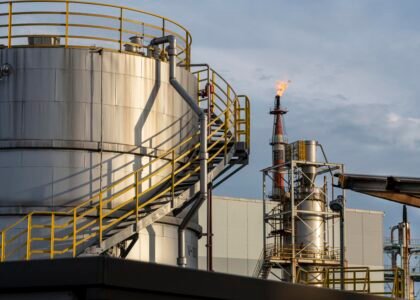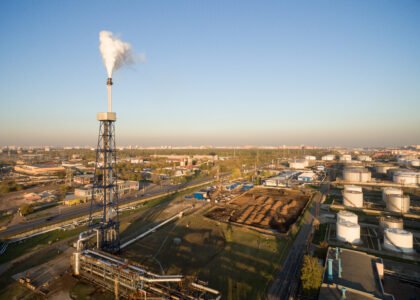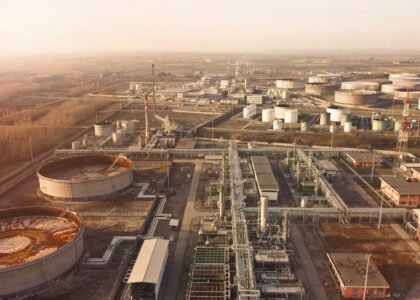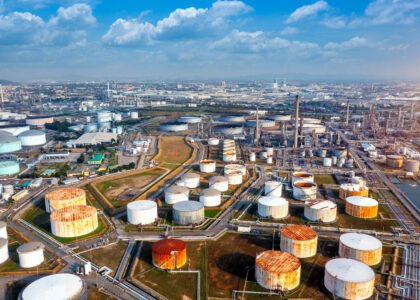

Petrochemical supply chain company

In today’s complex industrial world, a dependable petrochemical supply chain company is critical for business success. H&A Trading stands out as a global leader, offering innovative solutions in petrochemical logistics, chemical supply chain management, and petrochemical distribution.

From sourcing raw materials to efficient transportation, secure storage, and inventory management, H&A Trading ensures a seamless flow of chemicals across the globe. For businesses in plastics, pharmaceuticals, automotive, and energy sectors, understanding a reliable supply chain partner is key to productivity, cost efficiency, and safety.

This guide explores why H&A Trading is the preferred choice, its benefits, services, products, and strategies to optimize chemical supply chains worldwide.

Why Choose H&A Trading for Petrochemical Supply Chain Management

Managing a global chemical supply network is challenging. Companies face fluctuating demand, regulatory hurdles, hazardous material handling, and transportation delays. H&A Trading addresses these challenges with expertise, technology, and a vast global network.

Expertise in Petrochemical Logistics

A core strength of H&A Trading is its specialized petrochemical logistics services. They manage the transportation of hazardous and non-hazardous chemicals with strict adherence to safety regulations. Their team understands the nuances of chemical storage, handling, and compliance in multiple regions, minimizing risk and delays.

Global Distribution Network

H&A Trading’s chemical distribution network spans multiple continents. This global presence allows them to offer timely petrochemical transportation and access to high-demand chemicals for industries worldwide.

Technology-Driven Supply Chain Solutions

Through predictive analytics, real-time inventory tracking, and logistics software, H&A Trading provides supply chain optimization chemicals. This ensures smoother operations, minimizes disruptions, and enhances overall supply chain efficiency.
Petrochemical supply chain company

Comprehensive Petrochemical Supply Chain Solutions by H&A Trading

Benefits of Partnering with H&A Trading

Businesses worldwide choose H&A Trading for its ability to streamline operations and improve reliability. Key benefits include:

1. Reliable and Safe Operations

H&A Trading prioritizes safety in every chemical transport service, reducing risks during transit and storage. They maintain compliance with international chemical handling standards.

2. Cost-Effective Supply Chain Management

By optimizing routes, sourcing high-quality chemicals at competitive prices, and improving chemical supply planning, H&A Trading reduces operational costs without compromising service quality.

3. Comprehensive Range of Services

Clients benefit from integrated solutions including petrochemical warehouse services, petrochemical inventory management, chemical supply planning, and petrochemical distribution.

4. Scalable Solutions

H&A Trading can handle both small-scale and large-scale chemical operations, providing supply chain solutions petrochemicals that scale with business growth.

5. Regulatory Compliance

With stringent safety protocols and certifications, H&A Trading ensures all operations comply with global chemical transport, storage, and environmental standards.


H&A Trading Services in Detail

H&A Trading offers a full suite of services across the chemical supply chain.

Petrochemical Transportation

Efficient petrochemical transportation is crucial for industries dealing with hazardous materials. H&A Trading ensures:

  • Real-time tracking of shipments

  • Compliance with international safety standards

  • Efficient route planning to reduce delivery times

  • Safe handling of flammable, corrosive, and reactive chemicals

Petrochemical Storage Solutions

Proper storage is vital for maintaining chemical integrity. H&A Trading provides:

  • Climate-controlled warehouses

  • Secure storage for hazardous materials

  • Inventory management systems for accurate stock levels

  • Compliance with local and international regulations

Chemical Supply Management

Through chemical supply management, H&A Trading ensures a continuous flow of raw materials:

  • Demand forecasting and planning

  • Supplier negotiation and sourcing

  • Inventory optimization

  • Efficient distribution to minimize downtime

Petrochemical Sourcing

H&A Trading specializes in petrochemical sourcing, offering:

  • Global supplier network for high-quality chemicals

  • Competitive pricing strategies

  • Reliable procurement for uninterrupted production

Supply Chain Optimization for Chemicals

By using advanced logistics software, H&A Trading provides supply chain optimization chemicals that:

  • Reduce transit time

  • Lower operational costs

  • Enhance efficiency and transparency

  • Offer data-driven decision-making for supply chain improvements

Petrochemical Warehouse Services

H&A Trading’s petrochemical warehouse services include:

  • Inventory tracking with automated systems

  • Handling and packing of hazardous and non-hazardous chemicals

  • Timely dispatch to clients worldwide

  • Real-time monitoring for compliance and quality control


Industries Benefiting from H&A Trading Services

H&A Trading serves multiple industries where chemical supply chains are critical:

Plastics and Polymers

Ensuring consistent supply of resins, polymers, and additives, H&A Trading supports smooth production in plastics manufacturing.

Pharmaceuticals

From laboratory reagents to bulk chemicals, H&A Trading provides safe and timely delivery for pharmaceutical manufacturers.

Automotive

Supplies lubricants, plastics, and specialty chemicals essential for automotive manufacturing and assembly lines.

Construction

Provides raw materials for coatings, adhesives, and composites used in infrastructure and building projects.

Energy & Petrochemicals

Supports refineries and chemical plants with reliable global petrochemical supply and storage solutions.


Products Managed by H&A Trading

H&A Trading handles a diverse range of chemical products:

  • Industrial chemicals for manufacturing

  • Petrochemical feedstock for plastic and polymer production

  • Polymers and resins

  • Solvents, reagents, and specialty chemicals

Each product is handled with stringent quality control, regulatory compliance, and optimized storage to maintain integrity.

How H&A Trading Enhances Your Chemical Supply Chain

End-to-End Visibility

Real-time tracking ensures clients have complete visibility over petrochemical transportation, warehouse operations, and inventory levels.

Risk Mitigation

H&A Trading prioritizes safety and compliance for chemical logistics services, reducing accidents, spills, and regulatory issues.

Sustainability Initiatives

Eco-friendly practices in chemical transport services include optimized route planning, reduced fuel consumption, and efficient packaging.

Data-Driven Supply Chain Decisions

Advanced analytics help businesses forecast demand, manage chemical supply networks, and make strategic sourcing decisions.

What Services Does a Petrochemical Supply Chain Company Provide?

ServiceDescriptionBenefit
Petrochemical TransportationMovement of chemicals through road, rail, or sea.Safe and timely delivery
Petrochemical Storage SolutionsSecure and controlled storage facilities.Maintains product safety and quality
Chemical Supply ManagementPlanning and coordination of chemical supply.Continuous production support
Petrochemical SourcingProcurement of chemicals from global suppliers.Reliable material availability
Petrochemical Warehouse ServicesStorage, handling, and dispatch of chemical products.Efficient inventory control
Supply Chain OptimizationUse of technology to improve logistics operations.Reduced costs and delays
Chemical Distribution NetworkDelivery of chemicals to industries worldwide.Wider market reach and reliability

What makes H&A Trading a top petrochemical supply chain company?

H&A Trading provides end-to-end chemical supply chain solutions, combining global logistics, advanced technology, and secure petrochemical transportation for unmatched reliability.

Case Studies: H&A Trading in Action Case Study 1: Global Petrochemical Supply for Plastics Manufacturer A leading plastics manufacturer faced supply delays due to fragmented chemical sourcing. H&A Trading implemented chemical supply planning, optimized logistics, and sourced raw materials globally. Result: a 30% reduction in delivery delays and a 25% cost savings in transportation. Case Study 2: Efficient Petrochemical Logistics for Pharmaceutical Company A pharmaceutical firm required sensitive chemical transport with strict temperature controls. H&A Trading’s petrochemical logistics team provided climate-controlled storage, monitored shipments in real-time, and ensured safe delivery, improving compliance and minimizing waste. Case Study 3: Supply Chain Optimization for Automotive Industry An automotive supplier struggled with inventory shortages. H&A Trading implemented supply chain optimization chemicals, centralized inventory management, and integrated supplier networks. Outcome: uninterrupted production and a 20% reduction in inventory costs. Advanced Solutions in Petrochemical Supply Chain Management H&A Trading goes beyond traditional logistics by offering advanced supply chain solutions petrochemicals that address the unique challenges of the chemical industry. Their integrated approach combines chemical supply management, real-time tracking, and predictive analytics to ensure every shipment reaches its destination on time and in perfect condition. By leveraging cutting-edge technology, H&A Trading optimizes petrochemical transportation routes, reduces operational costs, and enhances overall efficiency. In addition, H&A Trading provides comprehensive petrochemical warehouse services designed to maintain chemical integrity, control inventory levels, and streamline distribution. Their secure storage facilities support chemical inventory management for a wide range of products, including industrial chemicals, polymers, solvents, and specialty chemicals. Through strategic chemical sourcing, H&A Trading ensures access to high-quality raw materials from trusted suppliers, enabling manufacturers to maintain uninterrupted production cycles. By optimizing the chemical supply network, businesses gain greater visibility, improved planning, and reduced risks associated with delays or shortages. For companies seeking a reliable petrochemical supply chain company, H&A Trading combines global reach, innovative solutions, and a robust chemical distribution network to deliver unparalleled service. Their commitment to excellence makes them a preferred partner for businesses worldwide. The Modern Chemical Supply Chain: An In-Depth Overview The chemical supply chain is one of the most complex and critical networks in the global economy. It encompasses everything from raw material sourcing to production, storage, transportation, and distribution. Unlike consumer goods, chemicals require specialized handling, rigorous safety measures, and strict regulatory compliance. Any misstep in the supply chain can lead to production delays, financial losses, or even hazardous incidents. In today’s environment, businesses must navigate global sourcing challenges, fluctuating market demand, and increasingly stringent environmental regulations. The integration of technology has become essential for managing these complexities. Advanced software tools allow companies to monitor inventory in real-time, forecast demand accurately, and optimize transportation routes. This level of visibility ensures that chemical companies can maintain uninterrupted production while minimizing risk and cost. Challenges in Chemical Supply Chain Management Managing a chemical supply chain involves several unique challenges: Hazardous Material Handling – Many chemicals are toxic, flammable, or reactive. Safe transport and storage require trained personnel and specialized containers. Regulatory Compliance – Different countries have distinct regulations regarding chemical production, import/export, and handling. Adhering to these standards is essential to avoid legal penalties. Global Sourcing – Chemicals are often sourced from multiple regions, which introduces challenges such as customs delays, geopolitical risks, and currency fluctuations. Inventory Optimization – Balancing supply and demand is critical. Overstocking increases storage costs and potential waste, while understocking risks production halts. Sustainability Pressure – Companies face pressure to reduce carbon emissions, adopt green logistics practices, and minimize environmental impact. The Role of Technology The advent of Industry 4.0 has revolutionized chemical supply chain management. Digital tools, predictive analytics, and automation allow for: Real-time Inventory Tracking – Reduces waste and prevents shortages. Predictive Maintenance – Helps prevent equipment failures in chemical plants and warehouses. Smart Transportation – GPS-enabled tracking and route optimization enhance delivery efficiency. Data Analytics for Decision Making – Helps companies forecast demand, manage suppliers, and plan production cycles. By leveraging these technologies, companies can improve operational efficiency, reduce costs, and enhance safety. Strategic Partnerships Collaboration with suppliers, logistics providers, and distributors is another critical factor. Strategic partnerships ensure reliable access to raw materials, timely deliveries, and the ability to scale operations based on market needs. Establishing trust with partners also facilitates smoother compliance with international regulations and standards. Safety and Compliance Safety is non-negotiable in the chemical supply chain. From proper labeling to controlled storage environments, chemical companies implement multiple layers of safety protocols. Employees receive specialized training for handling hazardous materials, emergency response procedures are standardized, and all transportation adheres to national and international safety guidelines. Case Example: Global Chemical Manufacturer Consider a multinational chemical manufacturer that operates production plants in multiple continents. Without integrated supply chain systems, tracking inventory, predicting shortages, or coordinating shipments across borders would be nearly impossible. By implementing centralized supply chain management software, the company can monitor inventory levels, manage supplier schedules, and optimize logistics routes to ensure timely delivery of products worldwide. This not only improves operational efficiency but also significantly reduces risk and cost. Sustainability in the Chemical Supply Chain Sustainability is no longer optional. Companies are adopting eco-friendly practices such as: Using renewable energy in production facilities Optimizing transportation to reduce fuel consumption Implementing recycling and waste management programs Choosing suppliers with green initiatives These initiatives not only improve environmental performance but also strengthen brand reputation and compliance with global standards. Optimizing Logistics in the Chemical Industry Logistics is the backbone of any chemical supply chain. It involves the planning, execution, and monitoring of the movement of raw materials, intermediates, and finished products. Given the hazardous nature of many chemicals, logistics operations must prioritize safety, efficiency, and compliance. Transportation Strategies Transportation in the chemical sector requires careful planning. Companies often rely on multimodal transportation—combining road, rail, sea, and sometimes air freight—to ensure timely delivery. Each mode has its advantages: Road Transport: Offers flexibility and access to remote production facilities but may be slower for long-distance shipments. Rail Transport: Cost-effective for bulk chemicals over long distances, though it may require coordination with local road transport. Sea Freight: Essential for international distribution of large chemical volumes, offering lower costs per unit but longer lead times. Air Freight: Fastest mode for urgent shipments but expensive and limited to non-hazardous or small-volume products. Companies optimize transportation by using route planning software, real-time tracking systems, and automated alerts to prevent delays. Monitoring traffic, weather, and customs schedules is critical for ensuring timely delivery. Warehouse Management and Storage Warehouses are not just storage spaces; they are critical hubs in the chemical supply chain. Modern warehouse management involves: Climate-Controlled Storage: Many chemicals degrade under extreme temperature or humidity, so maintaining proper conditions is essential. Segregation of Hazardous Materials: Flammable, corrosive, and reactive chemicals must be stored separately to prevent accidents. Inventory Management Systems: Automated tracking of incoming and outgoing products ensures accurate stock levels, reduces waste, and prevents overstocking or shortages. Compliance and Safety Checks: Regular inspections, proper labeling, and adherence to safety protocols maintain regulatory compliance. Real-World Example: A Regional Chemicals Distributor A regional distributor faced frequent inventory discrepancies, delayed deliveries, and safety incidents. By implementing an advanced warehouse management system, the company gained: Real-time visibility into stock levels Automated alerts for low inventory Efficient space utilization with proper segregation of chemicals Faster order processing and reduced human error The outcome was a significant reduction in delays, improved safety, and enhanced customer satisfaction. Risk Management in Chemical Logistics Risk management is essential due to the potential hazards associated with chemical transport and storage. Companies adopt multiple strategies: Emergency Response Plans: Clear procedures in case of spills, leaks, or accidents. Supplier Assessment: Vetting suppliers for safety compliance, reliability, and quality assurance. Insurance Coverage: Comprehensive coverage for transit, storage, and liability. Regulatory Monitoring: Staying updated with local and international laws to prevent legal issues. Through careful risk assessment and proactive planning, chemical companies minimize disruptions and protect employees, clients, and the environment. Technology-Driven Logistics Digital tools are transforming logistics management. Companies now employ: GPS Tracking: Real-time updates on shipments’ locations. Predictive Analytics: Forecasting delays based on weather, traffic, and historical data. Automated Documentation: Reducing paperwork errors and ensuring compliance with transportation regulations. IoT Sensors: Monitoring temperature, humidity, and container conditions to protect sensitive chemicals. By embracing technology, companies can achieve faster, safer, and more cost-effective logistics operations. Inventory Management and Optimization Inventory management is one of the most critical components of a successful chemical supply chain. Poor inventory control can result in production delays, overstocking, or even hazardous situations if materials are not handled properly. Companies must balance availability with storage constraints, ensuring that materials are on hand when needed without incurring unnecessary costs. Best Practices in Inventory Management Segmentation: Grouping chemicals based on usage frequency, storage requirements, or hazard level allows for more precise control and planning. Just-in-Time Inventory: Reducing the amount of stock held at any one time can lower costs and minimize waste, though it requires reliable suppliers and transportation. Safety Stock: Maintaining a buffer of critical chemicals helps avoid production interruptions caused by unexpected demand or supply delays. Cycle Counting: Regularly auditing stock ensures accuracy, detects discrepancies early, and prevents shortages or overstock situations. Advanced inventory systems often include real-time tracking, automated alerts, and integration with supply and demand planning tools. This level of precision helps companies maintain operational efficiency while minimizing risks associated with chemical storage. Supplier Relations and Strategic Partnerships Strong supplier relationships are essential for maintaining a resilient supply chain. Companies that invest in collaboration and long-term partnerships benefit from: Reliable Access to Raw Materials: Established partnerships ensure consistent supply even during market fluctuations. Quality Assurance: Working closely with suppliers ensures products meet stringent quality standards. Flexible Scheduling: Suppliers can accommodate sudden changes in demand when there is a trusted relationship. Shared Risk Management: Collaboration allows for joint planning in case of disruptions, emergencies, or regulatory changes. Strategic supplier management also includes regular audits, performance evaluations, and clear communication channels. These practices foster trust and transparency, which are critical for seamless operations in a complex chemical environment. Global Sourcing Strategies In today’s interconnected world, many companies source chemicals from multiple regions. Global sourcing offers access to competitive prices, diverse suppliers, and high-quality materials, but it also presents challenges: Geopolitical Risks: Political instability or trade restrictions can disrupt supply. Customs and Compliance: International shipments must meet various regulatory standards, which can be complex and time-consuming. Currency Fluctuations: Changes in exchange rates can impact cost and profitability. Lead Time Management: Shipping chemicals across long distances requires careful planning to avoid production delays. Companies often mitigate these challenges by diversifying suppliers, maintaining regional stock, and leveraging digital tools for forecasting and logistics coordination. Strategic planning and robust communication are key to ensuring uninterrupted global operations. Case Study: Multi-Regional Chemical Manufacturer A multinational chemical manufacturer with plants in North America, Europe, and Asia faced frequent production delays due to inconsistent supply and delayed shipments. By implementing an integrated inventory and supplier management system, the company achieved: Improved visibility across all warehouses Streamlined communication with international suppliers Accurate forecasting of demand across regions Reduced lead times and production downtime The result was a highly responsive, efficient, and resilient supply chain capable of handling market fluctuations and production demands seamlessly. Risk Mitigation and Sustainability in Chemical Supply Chains Risk management is a cornerstone of effective chemical supply chains. Companies face potential hazards including spills, leaks, equipment failure, regulatory violations, and transportation delays. To address these challenges, businesses develop comprehensive risk mitigation strategies that include emergency response plans, employee training, and regular audits. Contingency measures, such as backup suppliers and alternate transportation routes, also help reduce disruptions during unforeseen events. Equally important is sustainability. Modern chemical companies are increasingly adopting eco-friendly practices across production, storage, and logistics. Initiatives include reducing greenhouse gas emissions, optimizing transportation routes to minimize fuel consumption, and implementing recycling programs for packaging materials. Sustainable practices not only protect the environment but also enhance corporate reputation and meet the expectations of regulators and clients. Companies are also exploring innovative solutions such as energy-efficient storage facilities, renewable energy integration, and waste reduction programs. By combining robust risk management with sustainability initiatives, chemical supply chains can achieve greater resilience, reduce operational costs, and meet global environmental standards. These efforts ultimately create a safer, more responsible, and more efficient supply network that benefits both businesses and the communities they serve.