Used and new construction machines supplier

Choosing the right used and new construction machines supplier is one of the most important decisions for contractors, builders, and construction companies worldwide. Whether you are starting a new project or expanding your fleet, having access to reliable machinery ensures efficiency, safety, and long-term cost savings.

At H&A Trading, we understand the global demand for high-quality equipment. From small contractors to large infrastructure companies, businesses need dependable suppliers who offer both affordability and performance. This guide will help you understand everything about sourcing construction machines, the benefits of buying used or new equipment, and how to select the best supplier.

Why Choosing the Right Supplier Matters

A trusted used construction equipment supplier or new construction equipment supplier plays a key role in project success. Poor-quality machines can lead to delays, increased maintenance costs, and safety risks.

Key Reasons to Choose the Right Supplier

  • Ensures equipment reliability

  • Reduces operational downtime

  • Provides warranty and support

  • Offers global shipping options

  • Ensures compliance with safety standards

A professional construction equipment dealer like H&A Trading ensures all machines are inspected, tested, and ready for use.
Used and new construction machines supplier

Construction Equipment Types, Benefits, and Buying Guide

Types of Construction Equipment Available

A reliable construction machinery supplier offers a wide range of machines to meet different project needs.

1. Earthmoving Equipment Supplier

These machines are essential for land preparation and excavation.

  • Excavators

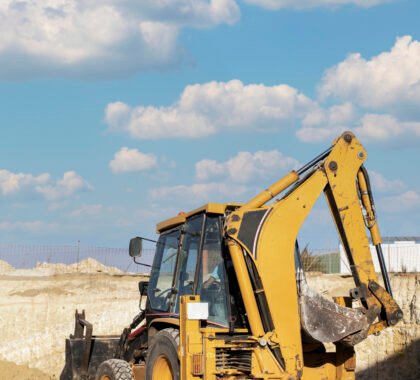
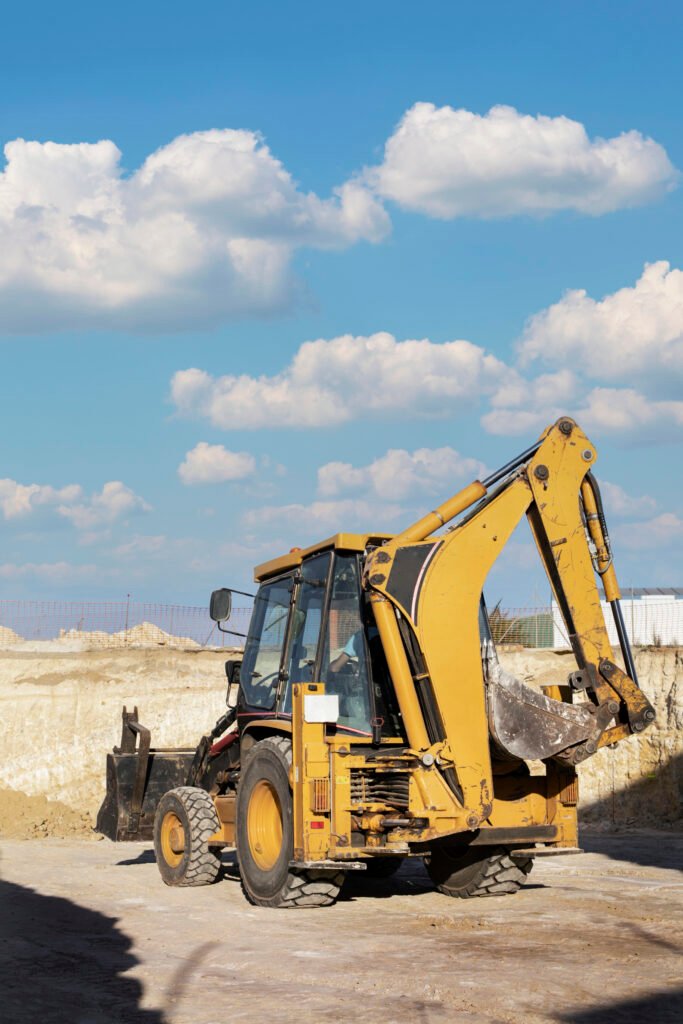
  • Backhoe loaders

  • Wheel loaders

A trusted earthmoving equipment supplier ensures durability and efficiency.


2. Excavator Supplier

Excavators are widely used for digging, trenching, and demolition.

  • Mini excavators

  • Crawler excavators

  • Long-reach excavators

Working with a professional excavator supplier ensures you get the right machine for your project size.


3. Bulldozer Supplier

Bulldozers are used for heavy-duty tasks like pushing soil and clearing land.

  • Track bulldozers

  • Mini bulldozers

A reliable bulldozer supplier provides machines with strong engines and durability.


4. Crane Equipment Supplier

Cranes are essential for lifting and moving heavy materials.

  • Tower cranes

  • Mobile cranes

  • Truck-mounted cranes

A trusted crane equipment supplier ensures safety and load capacity standards.


Benefits of Buying Used Construction Equipment

Working with a used heavy equipment dealer or used machinery dealer offers several advantages.

Cost Savings

Used machines are significantly cheaper than new ones, making them ideal for small businesses.

Faster Availability

Unlike new machines, used equipment is often available immediately.

Lower Depreciation

Used machines retain value better than new ones.

Wide Selection

A global used equipment exporter provides access to machines from different brands and models.


Benefits of Buying New Construction Equipment

Choosing a new construction equipment supplier also has advantages.

Latest Technology

New machines come with advanced features and improved fuel efficiency.

Warranty Coverage

Most new machines include manufacturer warranties.

Higher Efficiency

New equipment performs better and requires less maintenance.


Features to Look for in a Supplier

When selecting a heavy equipment trading company, consider the following:

1. Global Reach

A supplier with worldwide shipping ensures easy access.

2. Equipment Variety

A good construction machine dealer should offer multiple product categories.

3. Inspection & Certification

Ensure machines are tested and certified before delivery.

4. After-Sales Support

Support services like maintenance and spare parts are essential.

5. Competitive Pricing

A reliable equipment supplier worldwide offers transparent pricing.


Products Offered by H&A Trading

H&A Trading is a trusted heavy equipment distributor providing high-quality machinery globally.

Our Product Range

  • Excavators

  • Bulldozers

  • Cranes

  • Loaders

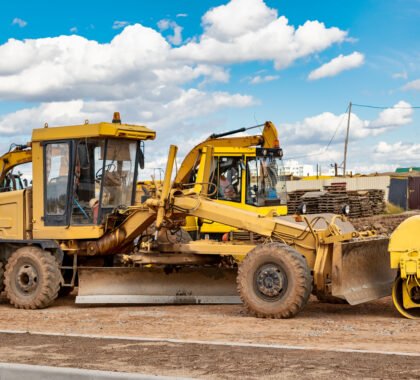
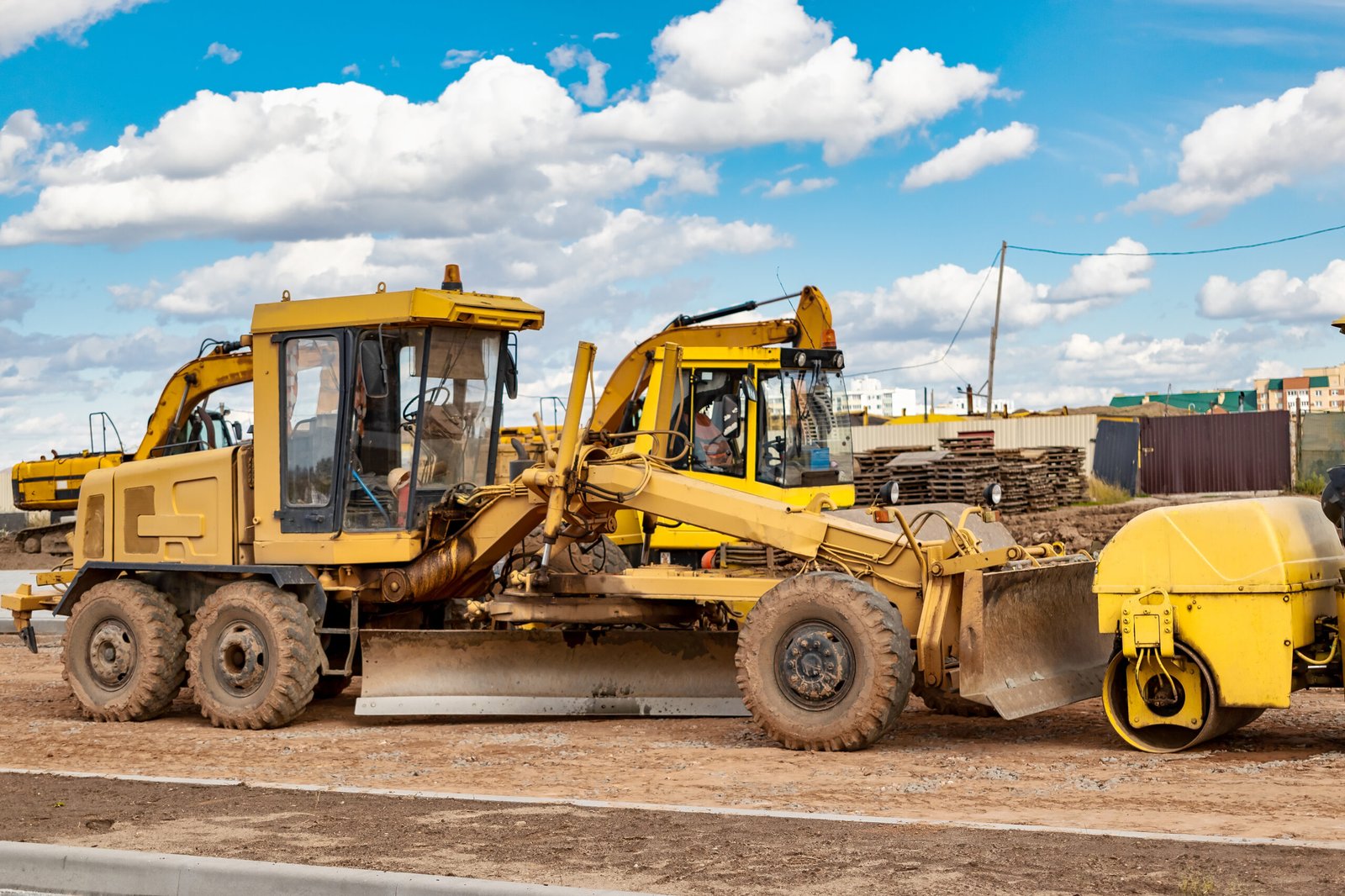
  • Road construction machines

As a leading construction equipment exporter, we ensure all machines meet international standards.


Equipment Rental vs Purchase

Sometimes, businesses may prefer an equipment rental supplier instead of buying.

When to Rent

  • Short-term projects

  • Budget constraints

  • Testing equipment before purchase

When to Buy

  • Long-term projects

  • Frequent equipment usage

  • Cost efficiency over time


Global Market Trends in Construction Equipment

The demand for construction machinery is increasing worldwide due to:

  • Infrastructure development

  • Urbanization

  • Government investments

A reliable machinery sales supplier helps businesses stay competitive by providing modern equipment.


How to Choose the Best Supplier

Here are some practical tips:

Check Reviews and Reputation

Look for customer feedback and testimonials.

Compare Prices

Evaluate multiple suppliers before making a decision.

Inspect Equipment

Always check machine condition before purchase.

Verify Certifications

Ensure compliance with global safety standards.

Choosing the right used and new construction machines supplier is essential for project success. Whether you need affordable used equipment or advanced new machinery, working with a trusted supplier like H&A Trading ensures quality, reliability, and global access.

By understanding your project requirements and evaluating suppliers carefully, you can make a smart investment that improves productivity and reduces costs.

How to Choose the Best Used and New Construction Machines Supplier?

FactorWhat to CheckWhy It Matters
ReputationReviews, ratings, and experienceEnsures trust and reliability
Equipment QualityCondition, inspection reportsReduces risk of breakdowns
Product RangeVariety of machines availableMeets different project needs
PricingTransparent and competitive ratesHelps manage budget effectively
Support ServicesMaintenance and spare parts availabilityEnsures long-term performance
Global ReachShipping and export capabilitiesEasy access worldwide

What makes H&A Trading a reliable used and new construction machines supplier?

H&A Trading provides certified equipment, global shipping, and strong after-sales support, making it a trusted choice worldwide.

Maintenance and Lifecycle Management of Construction Equipment Proper maintenance is essential when working with a used and new construction machines supplier to ensure long-term performance and return on investment. Whether you purchase from a used construction equipment supplier or a new construction equipment supplier, regular servicing plays a key role in extending machine life. Importance of Regular Maintenance Construction machines operate in harsh environments, making routine checks necessary. A reliable construction equipment dealer or heavy equipment distributor often provides maintenance guidelines and support services. Key maintenance practices include: Regular oil and filter changes Inspection of hydraulic systems Checking engine performance Monitoring wear and tear of parts Working with a trusted used heavy equipment dealer ensures that even pre-owned machines are delivered in good working condition. Financing Options for Construction Equipment Investing in machinery can be expensive, which is why many businesses look for flexible financing solutions. A professional heavy equipment trading company or machinery sales supplier often provides options to make purchasing easier. Popular Financing Methods Equipment loans Leasing options Installment payment plans Many global buyers prefer working with an equipment supplier worldwide that offers financial support, helping them scale operations without heavy upfront costs. Role of Technology in Modern Construction Equipment Technology is transforming the construction industry. Leading construction machine dealers and earthmoving equipment suppliers now offer machines equipped with advanced features. Key Technological Advancements GPS tracking systems Fuel efficiency optimization Remote monitoring Automation and smart controls Buying from a reliable excavator supplier or crane equipment supplier ensures access to modern machines that improve productivity and reduce operational costs. Sustainability in Construction Equipment Sustainability is becoming a priority for construction companies worldwide. Many businesses now prefer eco-friendly machines from a trusted construction equipment exporter or used equipment exporter. Eco-Friendly Benefits Reduced fuel consumption Lower emissions Energy-efficient operations Choosing the right bulldozer supplier or heavy equipment seller can help companies meet environmental standards while maintaining performance. Safety Considerations When Using Construction Equipment Safety is a critical factor when working with heavy machinery. A professional construction tools dealer or construction equipment dealer ensures machines meet safety regulations. Best Safety Practices Operator training and certification Regular safety inspections Use of protective equipment Following operational guidelines A reliable used equipment seller ensures machines are tested for safety before delivery, reducing workplace risks. Future of Construction Equipment Industry The global construction equipment market is evolving rapidly. Demand for machines from a trusted used and new construction machines supplier continues to grow due to infrastructure expansion and urban development. Key Industry Trends Increased demand for smart machinery Growth in equipment rental services Expansion of global supply chains Rising preference for cost-effective used machines A dependable construction machine dealer or equipment rental supplier plays a vital role in helping businesses adapt to these changes. By focusing on maintenance, financing, technology, and safety, businesses can maximize the value of their investment. Partnering with the right used and new construction machines supplier ensures access to high-quality equipment, expert support, and long-term success in the construction industry. Working with a reliable used and new construction machines supplier helps businesses achieve efficiency and long-term growth. Whether you choose a used construction equipment supplier for cost savings or a new construction equipment supplier for advanced technology, the right decision depends on your project needs. A trusted construction equipment dealer or heavy equipment trading company ensures quality, safety, and global availability. By partnering with an experienced equipment supplier worldwide, companies can access durable machinery, reduce downtime, and improve productivity, making every construction project more successful and cost-effective. Expanding Your Construction Business with the Right Equipment Strategy Growing a construction business requires more than just skilled labor and project opportunities. One of the most critical factors that determine success is how effectively you manage and utilize your equipment. Having the right machines at the right time can significantly improve efficiency, reduce delays, and increase overall profitability. A well-planned equipment strategy allows companies to handle multiple projects simultaneously without compromising on quality. It also ensures that operations run smoothly, even in challenging environments. Businesses that invest time in planning their equipment needs are more likely to stay competitive in a rapidly evolving industry. Understanding Project Requirements Before Equipment Selection Before acquiring any machinery, it is essential to analyze the specific requirements of your project. Every construction project is unique, and the type of equipment needed can vary depending on factors such as location, scale, and complexity. For example, large infrastructure projects may require heavy-duty machines capable of handling significant workloads, while smaller residential projects may only need compact and versatile equipment. Understanding these differences helps businesses avoid unnecessary expenses and ensures optimal resource utilization. Additionally, environmental conditions such as soil type, weather, and terrain should also be considered. Machines that perform well in one environment may not be suitable for another. Proper assessment ensures that the equipment chosen delivers maximum performance and reliability. Importance of Equipment Quality and Inspection Quality plays a crucial role in determining the lifespan and efficiency of construction machinery. High-quality machines are more durable, require less maintenance, and provide consistent performance over time. Inspection is equally important, especially when acquiring pre-owned equipment. A thorough inspection process should include checking engine condition, hydraulic systems, structural integrity, and overall performance. Identifying potential issues early can prevent costly repairs and unexpected breakdowns in the future. Documentation and service history also provide valuable insights into how well a machine has been maintained. This information helps buyers make informed decisions and ensures that they are investing in reliable equipment. Optimizing Equipment Utilization Maximizing the use of available machinery is essential for improving productivity and reducing costs. Idle equipment not only represents wasted investment but also adds to maintenance expenses. One effective way to optimize utilization is through proper scheduling and planning. Assigning machines to projects based on their capabilities ensures that they are used efficiently. Additionally, tracking usage patterns can help identify opportunities to improve performance and reduce downtime. Technology can also play a significant role in optimizing utilization. Advanced monitoring systems provide real-time data on machine performance, allowing businesses to make informed decisions and improve operational efficiency. Cost Management and Budget Planning Managing costs is a top priority for any construction business. Equipment acquisition and maintenance represent a significant portion of overall expenses, making it essential to plan budgets carefully. When planning your budget, consider not only the initial purchase cost but also long-term expenses such as maintenance, repairs, fuel, and operator training. A comprehensive cost analysis helps businesses avoid unexpected financial burdens and ensures sustainable growth. It is also important to evaluate the return on investment for each piece of equipment. Machines that contribute significantly to productivity and project success are worth the investment, while those with limited usage may not be cost-effective. The Role of Skilled Operators Even the most advanced machinery requires skilled operators to function effectively. Proper training ensures that operators can handle equipment safely and efficiently, reducing the risk of accidents and improving overall performance. Investing in training programs not only enhances operator skills but also increases the lifespan of machinery. Well-trained operators are more likely to follow best practices, perform routine checks, and identify potential issues before they become major problems. In addition, creating a culture of safety and accountability within the organization encourages operators to take responsibility for their equipment and work environment. Maintenance Planning for Long-Term Performance A proactive approach to maintenance is essential for ensuring the longevity and reliability of construction equipment. Regular servicing helps identify and address issues before they lead to costly breakdowns. Maintenance plans should include routine inspections, timely replacement of worn-out parts, and proper lubrication of moving components. Keeping detailed records of maintenance activities also helps track the condition of each machine and plan future servicing needs. Preventive maintenance not only reduces downtime but also improves overall efficiency, allowing businesses to complete projects on time and within budget. Adapting to Industry Changes and Innovations The construction industry is constantly evolving, with new technologies and innovations emerging regularly. Staying updated with these changes is essential for maintaining competitiveness and improving operational efficiency. Modern machinery is equipped with advanced features such as automation, remote monitoring, and data analytics. These technologies provide valuable insights into performance and help businesses make informed decisions. Adapting to these innovations may require initial investment and training, but the long-term benefits in terms of efficiency and cost savings make it worthwhile. Sustainability and Environmental Responsibility Sustainability is becoming increasingly important in the construction industry. Companies are now expected to minimize their environmental impact while maintaining high levels of productivity. Using energy-efficient machinery, reducing fuel consumption, and implementing eco-friendly practices can significantly lower emissions and contribute to a greener environment. Additionally, proper disposal and recycling of materials help reduce waste and promote sustainability. Businesses that prioritize environmental responsibility not only contribute to a better future but also enhance their reputation and attract environmentally conscious clients. Building Strong Supplier Relationships Establishing strong relationships with suppliers is essential for ensuring a reliable supply of equipment and support services. A good supplier provides not only high-quality machinery but also valuable guidance and assistance throughout the equipment lifecycle. Effective communication and trust are key components of a successful partnership. Working closely with suppliers helps businesses stay informed about new products, maintenance practices, and industry trends. Long-term relationships also often lead to better pricing, priority service, and access to exclusive deals, providing additional benefits for businesses. Risk Management in Equipment Operations Managing risks is an integral part of construction operations. Equipment-related risks can include breakdowns, accidents, and unexpected delays, all of which can impact project timelines and costs. Implementing risk management strategies such as regular inspections, operator training, and safety protocols helps minimize these risks. Additionally, having contingency plans in place ensures that operations can continue smoothly even in the event of unforeseen challenges. Insurance coverage for equipment is another important aspect of risk management, providing financial protection against potential losses. Improving Productivity Through Strategic Planning Productivity is a key factor in the success of any construction project. Strategic planning helps businesses allocate resources effectively, streamline operations, and achieve project goals efficiently. This includes scheduling tasks, coordinating teams, and ensuring that equipment is available when needed. Proper planning reduces delays, minimizes waste, and improves overall project performance. Regular evaluation of processes and performance metrics also helps identify areas for improvement, enabling businesses to continuously enhance productivity. Enhancing Customer Satisfaction Delivering high-quality projects on time and within budget is essential for maintaining customer satisfaction. Reliable equipment plays a significant role in achieving these objectives. When projects are completed efficiently and without delays, clients are more likely to trust and recommend your services. This leads to repeat business and positive word-of-mouth, contributing to long-term success. Maintaining transparency, clear communication, and consistent performance further strengthens relationships with clients and enhances overall satisfaction. Scaling Your Business for Future Growth As your business grows, your equipment needs will also evolve. Planning for scalability ensures that you can handle larger projects and increased demand without compromising on quality. This may involve expanding your fleet, upgrading existing machinery, or exploring new technologies. Having a clear growth strategy helps businesses stay prepared for future opportunities and challenges. Investing in the right equipment at the right time ensures that your business remains competitive and capable of meeting the demands of a dynamic industry. Conclusion Success in the construction industry depends on a combination of factors, including skilled workforce, efficient processes, and reliable equipment. By focusing on proper planning, maintenance, and continuous improvement, businesses can maximize the value of their investments and achieve long-term growth. Adopting a strategic approach to equipment management not only enhances productivity but also reduces costs and improves overall performance. As the industry continues to evolve, staying adaptable and proactive will be key to maintaining a competitive edge and achieving sustainable success. Building Long-Term Operational Efficiency Achieving long-term efficiency in construction operations requires a balance between planning, execution, and continuous improvement. Businesses that focus on streamlining their workflows can reduce delays, minimize waste, and improve overall output. Efficient operations not only save time but also help in maintaining consistent project quality. One important factor is coordination between teams. Clear communication ensures that every stage of the project runs smoothly, from planning to completion. When teams understand their roles and responsibilities, it reduces confusion and enhances productivity. Another key aspect is performance monitoring. Regularly evaluating progress helps identify areas that need improvement. By making small adjustments over time, businesses can significantly enhance efficiency and maintain a strong competitive position in the market. Continuous Improvement and Innovation To stay competitive, construction businesses must focus on continuous improvement and innovation. Regularly reviewing processes and adopting better methods can lead to faster project completion and improved quality. Embracing new tools and modern practices helps teams work smarter and adapt to changing industry demands. Encouraging feedback from workers and project managers also plays a vital role. Their insights can highlight practical challenges and opportunities for improvement. By fostering a culture of learning and adaptability, businesses can enhance performance, reduce inefficiencies, and achieve long-term success in an ever-evolving construction landscape.