
Choosing a frozen meat supplier involves more than comparing prices. Importers, wholesalers, supermarkets, and commercial buyers also need defined product specifications, suitable packaging, export documentation, cold-chain coordination, and shipments planned around their purchasing requirements. H&A Trading supports international buyers seeking a frozen beef and lamb supplier worldwide, with sourcing coordinated according to product and market needs.
As a frozen beef supplier worldwide and frozen lamb supplier worldwide, H&A Trading works with sourcing and processing partners to coordinate product availability, agreed cuts, packaging specifications, and international orders. This gives buyers a clearer process when arranging recurring or bulk frozen meat purchases.
A Structured Approach to Global Meat Supply
International meat procurement involves several connected stages. Product cuts, processing requirements, packaging, cold-chain handling, export documentation, and shipment scheduling can all affect an order. When assessing a global frozen beef supplier, buyers should look beyond product availability and consider how consistently these details can be managed. The same consideration applies when selecting a global frozen lamb supplier.
Instead of choosing a supplier simply because it presents itself as a top frozen beef supplier globally or top frozen lamb supplier globally, commercial buyers can evaluate specification accuracy, product availability, communication, documentation, and order coordination.
Businesses seeking a premium frozen beef exporter may require suppliers that can follow defined purchasing specifications across orders. A premium frozen lamb exporter should provide the same level of attention to product requirements and shipment preparation.
H&A Trading approaches international frozen meat procurement through organized sourcing and coordinated order management, helping buyers move from enquiry to shipment with clearer purchasing requirements.
From Farm to Freezer: Ensuring Quality in Every Cut
From Sourcing to Shipment
A commercial frozen meat order involves several steps beyond finding available products. H&A Trading works with sourcing and processing partners around agreed specifications, quantities, handling preferences, packaging, and destination requirements. This gives importers and commercial buyers a clearer way to organize purchases around their actual supply needs.
For larger orders, a bulk frozen beef exporter must coordinate volumes while keeping the agreed product specifications in focus. The same applies to a bulk frozen lamb exporter handling repeat shipments. Planning ahead allows preparation, packaging, documentation, storage, and transportation arrangements to be addressed before dispatch.
Clear communication also matters during international procurement. A trusted frozen beef exporter should keep buyers informed about order details, preparation, shipping arrangements, and documentation. A trusted frozen lamb exporter needs the same level of communication, particularly when buyers manage recurring imports.
Processing, Freezing and Packaging
After sourcing is confirmed, products can be prepared according to the agreed cuts, quantities, packaging format, and destination requirements. Appropriate packaging helps keep frozen products organized during storage and transportation while making handling easier for distributors and commercial buyers.
Freezing and subsequent handling are also important when meat is transported internationally. Buyers looking for export quality frozen beef commonly consider consistency in specifications, preparation, packaging, and shipment handling. Similar considerations apply to export quality frozen lamb supplied to overseas markets.
H&A Trading coordinates preparation and packaging details with processing partners according to the buyer’s order, destination, volume, and shipping plan. Buyers can discuss packaging and preparation preferences with a frozen beef supplier worldwide or frozen lamb supplier worldwide before finalizing an order.
Cold-Chain Logistics
Frozen meat shipments require appropriate temperature-controlled storage and transportation. H&A Trading coordinates with logistics providers and other parties involved in the shipment to help keep the cold-chain process organized from dispatch onward.
For an international frozen beef wholesaler, overseas procurement involves more than booking freight. Documentation, customs processes, storage arrangements, transportation schedules, and destination coordination all form part of shipment planning. An international frozen lamb wholesaler faces similar considerations when managing cross-border supply.
Keeping suppliers, logistics providers, customs representatives, distributors, and buyers aligned can make shipment planning clearer and help limit avoidable communication gaps.
Supply for Supermarkets, Wholesalers and Food Service
Frozen meat purchasing varies according to the type of business. Supermarkets may require standardized cuts, suitable retail or bulk packaging, and recurring supply. Restaurants, caterers, wholesalers, and food-service businesses may instead focus on particular cuts, quantities, packaging formats, or delivery schedules.
H&A Trading supports commercial buyers working with a frozen beef exporter for supermarkets or a frozen lamb exporter for supermarkets, with product specifications, volumes, packaging, and delivery arrangements discussed according to the intended use.
When comparing wholesale food importers and exporters in UAE, buyers can look beyond pricing and consider sourcing options, product range, documentation, logistics, and communication. H&A Trading approaches commercial frozen meat sourcing with these purchasing factors in mind.
Quality Assurance and Halal Requirements for International Supply
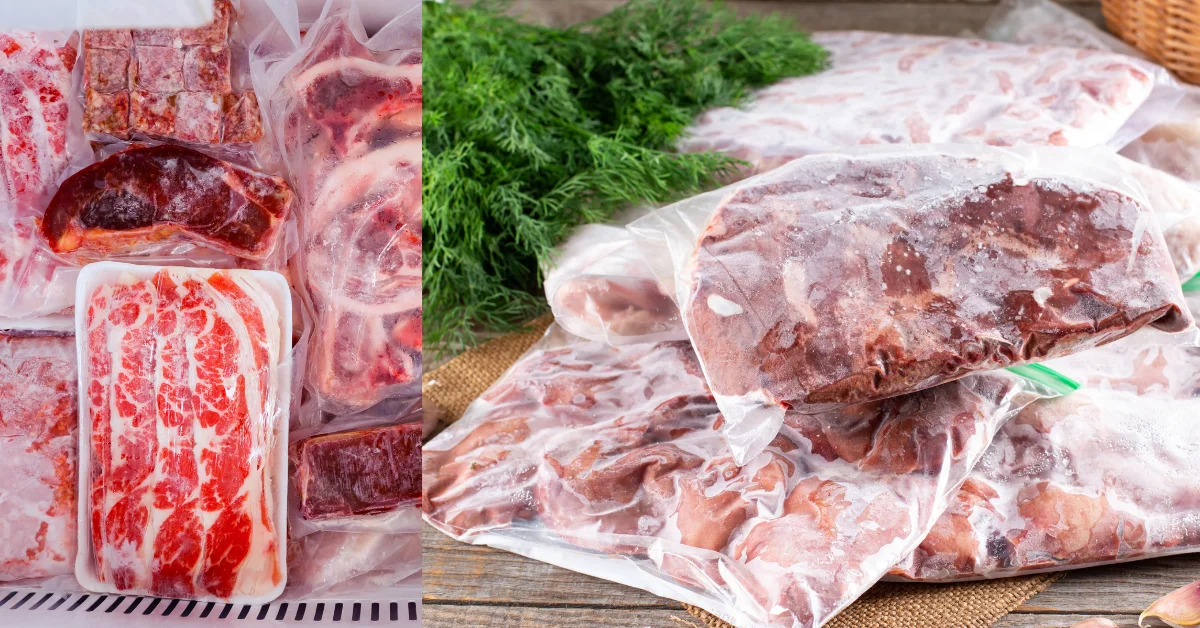
Quality in frozen meat sourcing is shaped by the entire supply process, including sourcing, preparation, freezing, packaging, storage, and transportation. For a premium frozen beef exporter, keeping agreed product specifications consistent across these stages can help buyers manage repeat international orders. The same consideration applies to a premium frozen lamb exporter serving commercial buyers with defined purchasing needs.
For businesses selecting a halal frozen beef supplier, halal requirements and relevant supporting documentation may be important considerations depending on the destination market. Buyers looking for a halal frozen lamb supplier may have similar expectations. H&A Trading coordinates with sourcing and processing partners to address applicable requirements according to the product, market, and order specifications.
Businesses purchasing export quality frozen beef or export quality frozen lamb can discuss product specifications, packaging, handling, and relevant documentation before shipment. Having these details established in advance gives buyers a clearer view of the order and its preparation for international transportation.
Commercial buyers also benefit when purchasing details are clearly communicated. A trusted frozen beef exporter or trusted frozen lamb exporter should keep specifications, documentation, and shipment arrangements clear throughout the order process. H&A Trading coordinates buyer requirements with sourcing, processing, documentation, and logistics partners to keep international orders organized.
For larger procurement programs, a global frozen beef supplier or global frozen lamb supplier needs to coordinate product specifications, quantities, paperwork, and transportation across multiple stages. An international frozen beef wholesaler or international frozen lamb wholesaler can support recurring and higher-volume purchasing requirements.
For UAE-based buyers comparing food wholesale suppliers, food distributors in UAE, or wholesale food suppliers to the public, sourcing capability, product range, documentation, and shipment coordination can all influence supplier selection. Businesses looking for wholesale food suppliers to the public near me may also compare availability and purchasing options before placing larger orders.
H&A Trading supports commercial frozen meat sourcing with an export-oriented approach, helping importers, wholesalers, distributors, supermarkets, and food-service buyers discuss their product and shipment requirements before placing an order.
What types of meat does H&A Trading supply?
H&A Trading specializes in supplying high-quality frozen beef and lamb. The product range includes steaks, cubes, minced beef, lamb chops, legs, shoulders, and bulk cuts, suitable for wholesale, retail, restaurants, and industrial clients.
How Long Can You Keep Frozen Beef in the Freezer?
Frozen beef can generally maintain its best quality for 6–12 months when stored continuously at 0°F (-18°C) or below. Proper packaging helps prevent freezer burn and preserve flavor and texture.
Why Choose Frozen Beef Over Fresh?
Frozen beef offers longer shelf life, easier storage, and consistent quality when properly handled. Freezing also helps preserve flavor and nutrients, making it a practical choice for bulk purchasing and global meat supply.
Why Does Frozen Meat Sometimes Look Discolored?
Frozen meat may look darker or slightly discolored because of oxidation, freezer exposure, or natural pigment changes. If it has been properly stored and remains odor-free, the color change does not necessarily indicate spoilage.
How Long Does Frozen Lamb Last Before Quality Declines?
Frozen lamb can maintain good quality for about 6–9 months when stored properly at 0°F (-18°C) or below. After this period, quality, texture, and flavor may gradually decline.
What Are the Best Ways to Thaw Frozen Beef Without Risking Food Poisoning?
The safest methods are thawing frozen beef in the refrigerator, cold water, or a microwave. Never thaw meat at room temperature, and cook it promptly after using cold water or microwave thawing.
Does Freezing Beef Affect Taste and Texture?
Freezing beef generally has little effect on taste when it is packaged and stored properly. However, prolonged storage or freezer burn can cause moisture loss, dryness, and slight texture changes.



We facilitate import, export, and specialized trade services to connect businesses to the products they need.
Links
Our Services
Copyright © 2025 All Right Reserved H&A TRADING. Powered by Adsonz
Working with H & A Trading has been a smooth experience. Their frozen beef and lamb arrived well-packed, properly frozen, and consistent in quality. Their reliable service made international sourcing much easier for our business.