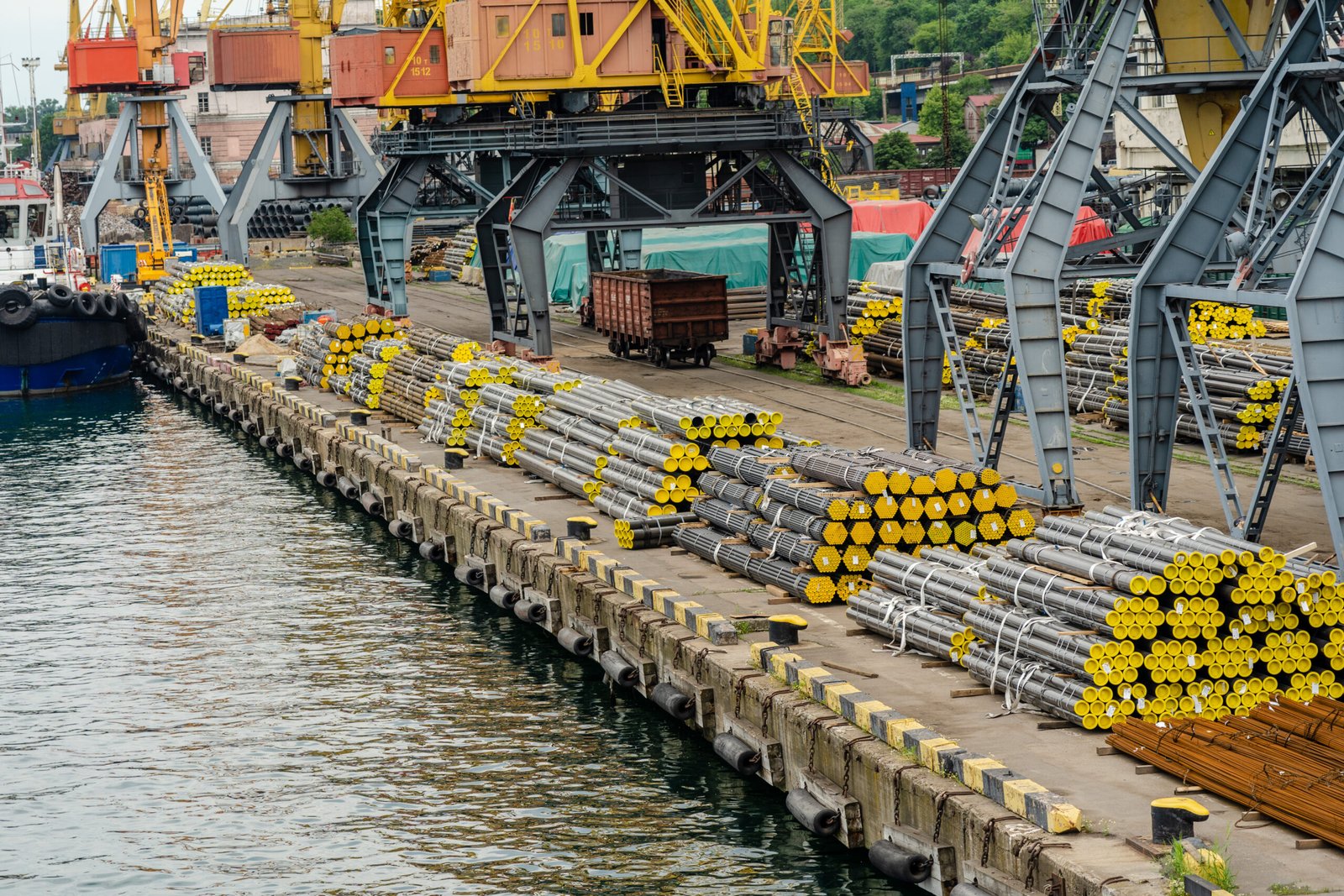
An infrastructure materials importer handles more than shipping paperwork — whether it’s roads, bridges, commercial builds, or industrial plants, getting the right materials at the right price is often what keeps a project on budget. H&A Trading works as both an infrastructure materials importer and a construction sourcing agent, connecting businesses to verified suppliers and dependable logistics across the region.
Getting the material import process right, choosing suppliers carefully, and keeping costs under control can decide whether a project succeeds or drags. This guide walks through what a solid construction product sourcing service actually involves — from finding the right supplier to getting materials delivered on site.
The Importance of Infrastructure Material Importers
No single country produces every material a construction project needs, which is why the industry leans so heavily on international trade. Construction imports give contractors and developers access to materials, equipment, and specialized products from suppliers that may not exist locally.
Key Reasons:
- Access to trusted global material suppliers who meet international specifications
- Better pricing through bulk purchasing and cost-focused sourcing
- Specialized construction material vendors and products not available in the local market
- Faster, better-planned execution through an organized material supply chain
An experienced infrastructure materials importer like H&A Trading handles the sourcing, supplier communication, transport, and delivery side of this. For companies with larger requirements, working with a construction sourcing agent or construction product sourcing service keeps imports organized and cost-effective.
Global Material Suppliers and Their Role
Global Material Suppliers and Their Role
Reliable suppliers matter more than price alone. Consistent quality, on-time delivery, and predictable pricing usually come down to who you’re buying from, not just what you’re paying.
What to Look for:
- Relevant certifications and regulatory compliance
- Capacity to handle bulk requirements
- Competitive and transparent pricing
- Proven track record and delivery performance
Working with established suppliers reduces sourcing risk and makes international procurement more predictable. For larger projects, a construction sourcing agent can help evaluate vendors and coordinate purchasing before commitments are made.
Understanding the Material Import Process
The material import process runs from finding the right supplier to getting materials on-site, and each stage carries its own risk of delay or added cost if it’s rushed.
Step-by-Step Process:
- Identify suitable suppliers and products
- Compare quotations and negotiate pricing
- Complete documentation and commercial contracts
- Arrange shipping and import logistics
- Manage customs clearance and duties
- Coordinate final delivery to the project site
An experienced infrastructure materials importer manages supplier communication, documentation, and transport across these stages so the client isn’t chasing six different vendors at once.
Bulk Material Importers: Why They Matter
Buying in volume usually means better pricing and steadier supply — bulk importers coordinate larger orders so businesses aren’t placing frequent, smaller purchases that add up in shipping costs.
Benefits:
- Lower per-unit purchasing costs
- More consistent material availability
- Greater negotiating leverage with suppliers
- Better planning for large-scale requirements
H&A Trading supports large-scale sourcing by connecting businesses with suitable suppliers and coordinating construction imports efficiently.
Import Building Materials Internationally
Businesses turn to international sourcing when local availability, pricing, or production capacity can’t meet what a project needs.
Common Imported Materials:
- Cement and steel
- Aggregates and other infrastructure materials
- Glass and aluminum products
- Electrical and construction components
- Specialized items from construction equipment suppliers in UAE
Import regulations, product standards, and documentation requirements vary by product and destination, which is where a construction product sourcing service earns its keep.
Cheap Material Sourcing Without Compromising Quality
The cheapest supplier isn’t always the best value. Real savings come from balancing product quality, supplier reliability, and transport cost — not just chasing the lowest quote.
Tips:
- Compare quotations from multiple suppliers
- Evaluate shipping routes and transport costs
- Consider bulk purchasing where practical
- Check supplier certifications before committing
H&A Trading weighs pricing against reliability and quality rather than optimizing for cost alone.
Construction Import Guide for Beginners
First-time importers benefit from structure. Finding a low-cost supplier is the easy part — managing the process around them is where most delays happen.
Key Tips:
- Start with manageable order volumes
- Understand destination-country import requirements
- Verify supplier credentials and specifications
- Build supplier relationships over time
- Calculate the full landed cost before ordering
A construction sourcing agent can help with supplier identification, negotiation, and documentation — particularly useful for a first import.
Material Import Duties and Regulations
Duties, taxes, and product-specific regulations vary by material, origin, destination, and trade classification, so this isn’t a step to skip or estimate loosely.
Important Factors:
- Tariffs, duties, and applicable taxes
- Product documentation and certificates
- Customs classification requirements
- Country-specific import standards
Understanding these requirements ahead of time avoids unexpected costs and clearance delays at the port.
Best Import Countries for Construction Materials
The right sourcing country depends on quality, manufacturing capacity, pricing, and shipping distance — not a single “best” answer across every material.
Popular Choices:
- China – broad manufacturing capacity, competitive bulk pricing
- Germany – strong engineering standards, specialized products
- India – wide manufacturing base, diverse material options
- UAE – strategic location and a strong base of construction equipment trading companies in UAE
Total landed cost and supplier reliability usually matter more than headline price alone.
Material Supply Chain Optimization
A well-run material supply chain keeps materials available without inflating storage or transport costs. Poor coordination between suppliers, logistics, and site teams is where most delays actually originate.
Strategies:
- Use digital tools to track orders and shipments
- Maintain relationships with dependable suppliers
- Compare and optimize transportation routes
- Forecast requirements ahead of need
H&A Trading helps keep this coordination organized across multiple suppliers and shipments.
Import Cement Steel and Other Essentials
Cement and steel prices move with the market, so a sourcing strategy that doesn’t account for timing tends to blow budgets.
Why They Matter:
- Core components across most infrastructure projects
- High, steady demand
- Price swings that directly affect project budgets
Specification, supplier capacity, and storage all factor into the real cost of importing these materials, not just the unit price.
Construction Material Vendors and Procurement
Choosing vendors on price alone tends to backfire when quality or delivery timing turns out to be inconsistent.
Procurement Tips:
- Evaluate vendor experience and reliability
- Compare quotations against full landed cost
- Verify quality certifications
- Confirm delivery timelines before ordering
Following these steps reduces supply-related risk on the project side.
Wholesale Material Suppliers for Large Projects
Large projects need suppliers who can handle volume without the process turning chaotic.
Advantages:
- Capacity for large project requirements
- Lower per-unit costs
- Simplified supplier coordination
- Better planning for recurring orders
H&A Trading connects businesses with established networks built for exactly this scale.
Import Cost Analysis
The supplier’s quoted price is rarely the full cost. A proper cost analysis accounts for everything between quote and delivery.
Cost Factors:
- Product purchase price
- International shipping
- Duties and taxes
- Customs and documentation
- Insurance, storage, and inland transport
Comparing suppliers on total landed cost, not headline pricing, is what actually protects the budget.
Eco Friendly Construction Materials
Sustainability requirements are becoming a standard part of project specifications, not just a preference. Businesses sourcing eco-friendly materials need suppliers who can meet performance standards alongside environmental ones.
Import Logistics Materials: Challenges & Solutions
Even with the right supplier and price locked in, logistics is where timelines usually break.
Common Challenges:
- Shipping and port delays
- Customs clearance issues
- Unexpected transport costs
- Documentation errors
Solutions:
- Work with experienced import partners
- Use shipment tracking tools
- Prepare documentation before dispatch
- Build flexibility into lead times
H&A Trading handles this coordination end-to-end, from supplier to site.
Construction Trade Global Trends
Digital procurement, supply-chain disruption, and sustainability requirements are all reshaping how businesses source internationally, with more emphasis now on supplier diversification and total landed cost than on price alone.
Material Import Business Growth Opportunities
Infrastructure development, urban expansion, and government-funded projects continue to drive demand for reliable material sourcing. Businesses looking to strengthen their procurement capabilities can partner with an experienced infrastructure materials importer, construction sourcing agent, or construction product sourcing service such as H&A Trading.
What Services Does an Infrastructure Materials Importer Offer?
| Service | Description | Key Benefit |
|---|---|---|
| Global Sourcing | Connecting with reliable international suppliers | Access to quality materials worldwide |
| Supplier Verification | Checking supplier credibility and certifications | Reduced risk and better quality |
| Bulk Procurement | Managing large quantity purchases | Lower costs and better pricing |
| Logistics Management | Handling shipping and transportation | Timely delivery |
| Customs Clearance | Managing documentation and regulations | Smooth import process |
| Cost Optimization | Reducing overall procurement expenses | Improved profit margins |
| Quality Control | Inspecting materials before shipment | Consistent product quality |
What does an infrastructure materials importer like H&A Trading do?
An infrastructure materials importer like H&A Trading sources construction materials globally, manages supplier relationships, and handles logistics, documentation, and delivery.
How Long Does Construction Equipment Shipping Take to UAE?
Shipping construction equipment to the UAE typically takes 7–30 days, depending on the origin country, shipping method, equipment size, customs clearance, and documentation. Working with experienced construction equipment suppliers in UAE can help reduce delays and ensure smoother delivery.
What Certifications Do Imported Construction Materials Need?
Imported construction materials may require certifications for quality, safety, environmental compliance, and UAE standards. Requirements vary by product and application, so businesses should verify applicable approvals, test reports, and customs documentation before shipment to avoid clearance delays.
How to Check Quality Before Accepting Imported Construction Shipments?
Before accepting an imported construction shipment, check product specifications, quantity, packaging, certificates, test reports, and visible damage. Compare the shipment with the purchase order and agreed standards. For large orders, consider third-party inspection before accepting delivery.
What's the Cheapest Way to Import Building Materials?
The cheapest way to import building materials is to compare suppliers, negotiate bulk pricing, optimize shipping routes, and calculate duties, handling, and storage costs. Working with an experienced construction sourcing agent can help identify cost-effective suppliers without compromising quality or reliability.
Why Are Building Materials Getting More Expensive?
Building materials can become more expensive due to raw material price changes, fuel and shipping costs, supply-chain disruptions, import duties, currency fluctuations, and rising demand. Comparing global material suppliers and reviewing total import costs can help businesses manage these increases.
What Insurance Do You Need When Importing Construction Materials?
When importing construction materials, **marine cargo insurance** is commonly used to protect shipments against risks such as damage, loss, theft, or accidents during transit. The right coverage depends on the material, shipping method, contract terms, and shipment value.

We facilitate import, export, and specialized trade services to connect businesses to the products they need.
Links
Our Services
Copyright © 2025 All Right Reserved H&A TRADING. Powered by Adsonz
H&A Trading made sourcing infrastructure materials much easier for our project. Their team was responsive, professional, and helped us find reliable products while keeping the process smooth from sourcing to delivery. We appreciated their clear communication and dependable service throughout.