Wholesale construction commodity supplier

H&A Trading is your global partner and wholesale construction commodity supplier, delivering high-quality bulk materials, industrial supplies, and construction resources to projects worldwide. Whether you’re sourcing cement, steel, or raw construction materials, H&A Trading ensures cost-effective, reliable solutions tailored for your business needs. With years of experience in bulk construction supply, we empower contractors, developers, and infrastructure companies to streamline material procurement wholesale efficiently.

Why Choose H&A Trading as Your Construction Material Supplier

Selecting the right raw material supplier construction projects is crucial for efficiency, cost, and quality. Here’s why H&A Trading stands out:

Global Reach with International Construction Supplier Expertise

As an international construction supplier, H&A Trading connects clients with high-quality building materials distributors worldwide. Whether it’s bulk material buying or sourcing specialized industrial materials, we ensure timely delivery to your project site.

Reliable and Cost-Effective Solutions

Our role as a low-cost construction supplier means you benefit from competitive pricing without compromising quality. From cement steel supplier options to general construction materials, our sourcing network ensures affordable procurement for every project.

Comprehensive Material Sourcing Wholesale Services

H&A Trading offers end-to-end material sourcing wholesale, helping businesses streamline bulk materials online orders, manage logistics, and reduce procurement complexities. We serve as a trusted project material supplier across residential, commercial, and infrastructure sectors.
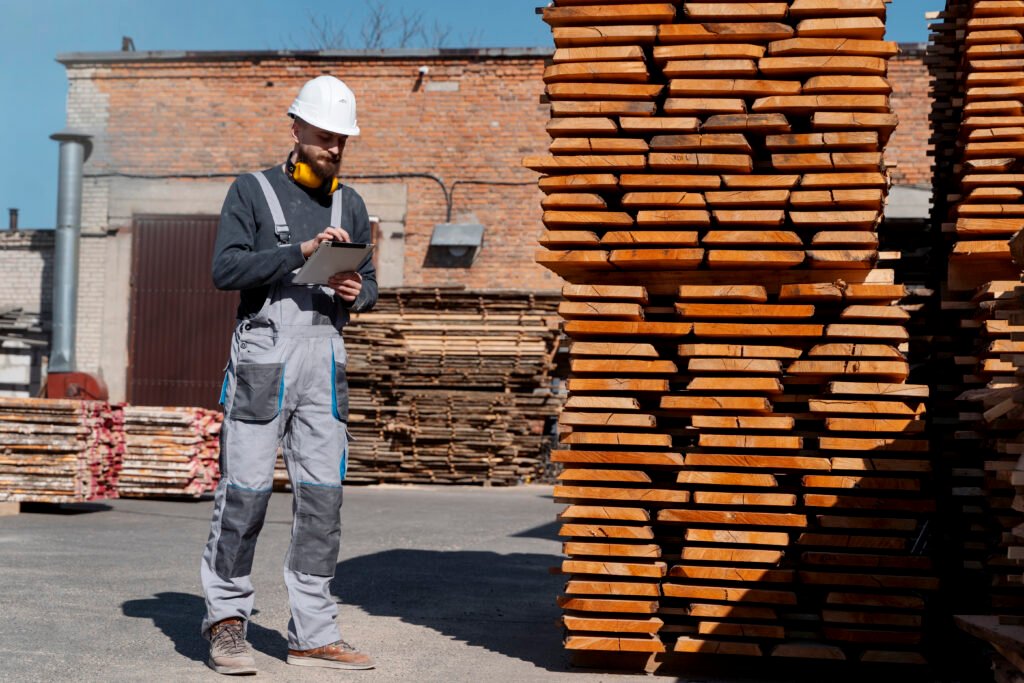
Wholesale construction commodity supplier

Key Benefits and Features of Partnering with H&A Trading as Your Bulk Construction Supplier

Benefits of Partnering with a Bulk Construction Supplier

Working with a bulk construction supplier like H&A Trading provides numerous advantages:

Cost Efficiency and Bulk Savings

Purchasing materials in bulk reduces per-unit costs and ensures long-term savings. Our clients enjoy access to industrial material supplier deals without sacrificing quality.

Consistent Supply and Timely Delivery

Supply chain disruptions can halt projects. H&A Trading’s construction supply market expertise guarantees a consistent flow of materials, minimizing downtime.

Wide Range of Construction Materials

From cement, steel, aggregates, and raw materials to specialized infrastructure material supplier solutions, we cater to all project requirements under one roof.

Expert Support and Consultation

Our team offers guidance on construction sourcing supplier strategies, helping you choose the right materials and quantities for optimal efficiency.


Features That Make H&A Trading Stand Out

Diverse Product Portfolio

We supply:

  • Cement & Steel – High-quality bulk cement and steel bars
  • Aggregates & Sand – Essential raw materials for construction projects
  • Industrial Materials – Including pipes, fittings, and reinforcement products
  • Bulk Materials Online – Easy digital procurement with global shipping

Transparent Pricing and Bulk Discounts

With H&A Trading, businesses benefit from material procurement wholesale pricing and exclusive bulk discounts.

International Shipping and Logistics

As a trusted overseas material supplier, we handle customs, documentation, and global logistics, ensuring your materials arrive safely and on time.

How H&A Trading Supports Global Construction Projects

Infrastructure Material Supplier Solutions

From highways to bridges, H&A Trading provides infrastructure material supplier services with bulk cement steel supplier options to meet demanding project standards.

Construction Sourcing Supplier Expertise

We assist clients with planning, sourcing, and logistics, acting as a reliable construction supplier for long-term partnerships.

Digital Ordering and Bulk Materials Online

Our platform allows clients to manage bulk material buying conveniently with real-time inventory updates, price transparency, and tracking.


Advantages of Using a Reliable Construction Supplier

Partnering with H&A Trading ensures:

  • Project continuity – no material shortages
  • Quality assurance – certified materials from trusted sources
  • Cost savings – bulk discounts and competitive pricing
  • Expert procurement support – advice for efficient sourcing

What Are the Benefits of a Wholesale Construction Commodity Supplier?

Feature Benefit 
Bulk Cement & Steel SupplyCost savings through bulk purchasing and reliable quality
Aggregates & Raw MaterialsOne-stop solution for all construction material needs
Industrial Materials & FittingsAccess to specialized materials for diverse projects
Bulk Materials OnlineEasy digital ordering with real-time inventory
Transparent Pricing & Bulk DiscountsCompetitive pricing and long-term cost efficiency
International Shipping & LogisticsTimely delivery anywhere in the world
Expert Consultation & Procurement SupportGuidance on material selection, quantities, and sourcing strategies
Infrastructure Material Supplier ServicesSupport for large-scale infrastructure projects with bulk material solutions

What makes H&A Trading a top wholesale construction commodity supplier?

H&A Trading offers global access to high-quality bulk materials, cement, steel, and industrial supplies, making us a trusted wholesale construction commodity supplier for worldwide projects.

How a Wholesale Construction Commodity Supplier Streamlines Project Material Sourcing In today’s fast-paced construction industry, having a reliable wholesale construction commodity supplier is critical for project success. Businesses often struggle with delays, inconsistent material quality, and unpredictable pricing when sourcing construction materials. Partnering with a professional bulk construction supplier like H&A Trading ensures that all your material requirements are met efficiently and cost-effectively. One of the main advantages of using a construction bulk distributor is the ability to consolidate multiple orders into a single source. Instead of working with several small suppliers, a centralized construction material wholesaler provides everything from cement and steel to aggregates and specialized industrial products. This approach reduces logistical challenges, minimizes shipping costs, and saves valuable project time. Reliable Supply of Raw Materials Construction projects rely heavily on consistent access to raw materials. A trusted raw material supplier construction projects guarantees high-quality products that meet industry standards. From cement and steel to sand, gravel, and reinforcement materials, a professional supplier ensures timely delivery. This not only prevents project delays but also allows contractors to plan purchases in bulk, benefiting from economies of scale. Cost Efficiency and Bulk Material Buying One of the key benefits of a wholesale construction commodity supplier is the cost savings associated with bulk material buying. Purchasing materials in large quantities often comes with significant discounts, lowering overall project expenses. Additionally, suppliers with global reach, like H&A Trading, act as an international construction supplier, giving access to competitive pricing from multiple regions while maintaining product quality. Simplified Logistics and International Delivery For large-scale projects or international operations, logistics can become complex. A reliable building materials distributor handles all shipping, customs, and documentation, ensuring materials arrive safely and on schedule. By working with an overseas material supplier, contractors can avoid common pitfalls such as delays, damaged shipments, or inconsistent product quality. Digital platforms for bulk materials online make this process even easier, allowing clients to track shipments, manage inventory, and place repeat orders efficiently. Expert Consultation for Efficient Material Procurement A reputable construction sourcing supplier doesn’t just provide materials—they also offer expertise. Experienced suppliers advise on material selection, quantity planning, and sourcing strategies. This guidance helps businesses optimize material procurement wholesale, reducing waste, ensuring compliance with project specifications, and improving overall efficiency. Serving Diverse Construction Needs Whether the project involves residential, commercial, or infrastructure development, a capable project material supplier can handle all requirements. From cement steel supplier solutions to specialized industrial material supplier products, a single provider can meet the diverse needs of modern construction projects. This centralization simplifies inventory management, reduces coordination overhead, and enhances project consistency. By partnering with a wholesale construction commodity supplier, companies gain access to a wide range of products, cost-effective bulk purchasing, international sourcing, and professional guidance. This ensures that every project—whether a small residential building or a large infrastructure initiative—runs smoothly, stays on budget, and meets quality standards. Comprehensive Overview of Construction Materials and Their Importance In the construction industry, the quality and availability of materials can significantly influence the success of a project. Using substandard materials or facing delays in supply can result in higher costs, project setbacks, and compromised safety. Therefore, understanding the types of construction materials, their applications, and sourcing strategies is essential for contractors, project managers, and procurement teams. H3: Cement and Concrete: The Foundation of Every Structure Cement is the backbone of construction projects, serving as the primary binding agent in concrete. The choice of cement depends on the type of project, environmental conditions, and structural requirements. For example, ordinary Portland cement is widely used for residential buildings, while blended cements are preferred for large-scale infrastructure projects due to their enhanced durability and resistance to environmental factors. Concrete, made by combining cement, aggregates, and water, provides structural strength to buildings, bridges, and highways. The quality of aggregates and proper mixing techniques are critical to achieving the desired strength and longevity. Bulk procurement of cement and aggregates ensures consistency in quality and reduces project delays. H3: Steel: Ensuring Structural Integrity Steel is a fundamental material in modern construction due to its strength, flexibility, and durability. Reinforced steel bars (rebars) are embedded in concrete structures to improve tensile strength, allowing buildings to withstand heavy loads and seismic activity. Steel sheets and structural components are widely used in commercial and industrial projects. Proper storage and handling of steel are crucial to prevent corrosion and maintain structural integrity. H3: Aggregates and Sand: Essential Components Aggregates, including gravel, crushed stone, and sand, play a vital role in concrete and masonry work. They provide bulk, strength, and stability to concrete mixes and are essential for road construction, drainage systems, and landscaping. Sourcing consistent-quality aggregates ensures uniformity in construction work and reduces the risk of structural defects. H3: Bricks, Blocks, and Masonry Materials Bricks and blocks are fundamental building units used in walls, partitions, and pavements. They offer thermal insulation, fire resistance, and structural stability. Modern masonry materials, including lightweight blocks and hollow bricks, help reduce building weight and improve energy efficiency. Selecting the right type of masonry material depends on project requirements, load-bearing needs, and budget considerations. H3: Pipes, Fittings, and Plumbing Materials Proper plumbing and drainage are critical for residential and commercial projects. Pipes and fittings made from PVC, HDPE, copper, or steel are used for water supply, sewage, and gas distribution. Choosing the right materials ensures leak-proof connections, long-term durability, and compliance with building codes. H3: Electrical Materials and Cabling Reliable electrical systems are essential for safe and functional buildings. Electrical materials, including wiring, switches, sockets, conduits, and panels, must meet safety standards and quality requirements. Proper procurement and planning prevent over-ordering or shortages, ensuring smooth installation and long-term safety. Effective Material Sourcing and Management Strategies Efficient material sourcing is critical for reducing costs, maintaining quality, and ensuring timely delivery. Poor sourcing practices often lead to project delays, budget overruns, and construction defects. The following strategies are widely adopted by successful construction companies. H3: Planning and Forecasting Material Needs Accurate planning starts with understanding project requirements. Detailed quantity estimation, scheduling, and coordination with contractors help determine how much material is needed at each stage. Forecasting prevents overstocking or understocking and ensures smooth progress. H3: Vendor Evaluation and Selection Choosing the right suppliers is crucial. Companies assess potential vendors based on product quality, reliability, delivery timelines, and pricing. Long-term partnerships with trusted suppliers help maintain consistent material quality and favorable payment terms. H3: Bulk Purchasing and Cost Management Buying materials in bulk often results in cost savings and ensures a steady supply. However, it requires proper storage facilities, inventory management, and quality checks to prevent material deterioration. Efficient bulk purchasing balances cost-effectiveness with operational practicality. H3: Quality Assurance and Inspection Quality control is a continuous process in construction material management. Regular inspections, lab testing of cement, steel, and aggregates, and verifying supplier certifications ensure that materials meet project standards. This prevents structural issues, reduces rework, and increases client satisfaction. Inventory Management and Storage Proper storage of materials prevents damage, theft, and wastage. Segregation of different types of materials, moisture protection for cement, anti-corrosion measures for steel, and organized stacking of bricks and blocks contribute to efficient material management. Logistics and Supply Chain Management in Construction The construction supply chain is complex, involving multiple vendors, transportation methods, and handling processes. Efficient logistics ensure timely delivery and reduce project delays. H3: Transportation of Materials Materials need to be transported from suppliers to construction sites efficiently and safely. Factors such as weight, fragility, and environmental conditions influence the choice of transportation. Heavy materials like steel or cement require specialized handling, while delicate components like electrical fittings need secure packaging. H3: International Material Sourcing Many large-scale projects rely on international suppliers for specialized materials or cost-effective bulk purchasing. Coordinating with overseas suppliers requires understanding import regulations, customs clearance, and shipping logistics. Timely communication with vendors and freight providers ensures materials arrive on schedule. H3: Technology in Supply Chain Management Modern construction companies use software and digital platforms to manage procurement, track shipments, and monitor inventory levels. Real-time tracking reduces errors, improves accountability, and enhances overall project efficiency. H2: Sustainability and Eco-Friendly Materials Sustainable construction practices are becoming increasingly important. Choosing eco-friendly materials reduces environmental impact and contributes to green building certifications. H3: Use of Recycled Materials Recycled aggregates, steel, and plastic components help reduce waste and lower carbon footprint. Incorporating recycled materials into construction projects also demonstrates social responsibility and compliance with environmental regulations. H3: Energy-Efficient Materials Insulation materials, low-emission paints, and energy-efficient windows improve building performance and reduce operational costs. Selecting materials with environmental certifications ensures compliance with green building standards. H3: Water and Waste Management Using sustainable plumbing materials, water-saving fixtures, and proper waste disposal systems contributes to efficient resource management. Early planning in material selection helps minimize construction waste. H2: Case Studies: Successful Material Management H3: Large-Scale Infrastructure Projects In highway and bridge projects, timely procurement of steel, cement, and aggregates is essential. Proper material planning, vendor partnerships, and bulk purchasing enabled projects to stay within budget and meet tight deadlines. H3: Residential Developments For residential complexes, managing multiple types of materials—masonry, plumbing, electrical—requires meticulous planning. Coordinating deliveries and storage on-site reduced delays and improved quality control. H3: Industrial Facilities Industrial projects often require specialized materials such as heavy steel structures, pipes, and electrical systems. Partnering with experienced suppliers and efficient logistics providers ensures smooth execution and compliance with safety standards. H2: Best Practices for Construction Material Management Early Planning: Begin procurement planning at project initiation to prevent shortages. Supplier Relationships: Build long-term relationships for better pricing and reliable delivery. Regular Inspections: Continuously inspect and test materials for quality assurance. Inventory Control: Implement organized storage and inventory tracking systems. Sustainability: Integrate eco-friendly materials to reduce environmental impact. H2: Emerging Trends in Construction Material Sourcing The construction industry is evolving rapidly, influenced by technological advancements, sustainability concerns, and global market dynamics. Staying updated with these trends is crucial for companies seeking efficiency, cost savings, and competitive advantage. H3: Digital Transformation in Procurement Digital platforms and procurement software are revolutionizing how construction materials are sourced. Companies can now manage supplier databases, place orders online, track shipments, and monitor inventory levels in real-time. These systems reduce human error, increase transparency, and enable project managers to make data-driven decisions. With predictive analytics, businesses can forecast material needs more accurately, preventing shortages or overstocking. H3: Emphasis on Sustainability Sustainability is no longer optional in construction. Eco-friendly materials, energy-efficient components, and waste reduction practices are becoming industry standards. Developers are increasingly selecting materials that reduce environmental impact while complying with green building certifications. This shift not only supports environmental responsibility but also enhances a project’s market value and regulatory compliance. H3: Modular and Prefabricated Solutions Modular construction and prefabricated components are gaining traction globally. By manufacturing parts offsite and assembling them on location, companies save time, reduce labor costs, and minimize material wastage. Prefabrication also ensures consistent quality, as components are produced in controlled environments. This approach is particularly useful in residential complexes, schools, hospitals, and industrial facilities. H3: Integration of IoT and Smart Construction The Internet of Things (IoT) is transforming construction sites into smart ecosystems. Sensors and connected devices provide real-time monitoring of equipment, materials, and site conditions. This technology allows project managers to optimize resource allocation, improve safety, and ensure quality standards. For example, sensors can monitor concrete curing or detect moisture in storage areas, preventing material damage. H2: Building Strong Global Supplier Networks Globalization has expanded the construction material market, enabling companies to source materials from multiple regions. Developing strong relationships with international suppliers ensures access to high-quality materials, competitive pricing, and reliable logistics. H3: Strategic Partnerships Long-term partnerships with suppliers help construction companies maintain a stable supply chain. Trusted partners provide insights into market trends, offer bulk pricing benefits, and support project-specific requirements. By fostering mutual trust and collaboration, companies can navigate market fluctuations more effectively. H3: Diversifying Supply Sources Relying on a single supplier or region can be risky due to geopolitical factors, natural disasters, or transportation disruptions. Diversifying sourcing strategies reduces risk and ensures continuous project progress. Companies often maintain relationships with both local and international suppliers to balance cost, quality, and reliability. H3: Efficient Logistics Management Global sourcing requires careful planning of transportation, customs, and storage. Efficient logistics ensure timely delivery, minimize damage, and optimize costs. Companies increasingly rely on logistics partners that specialize in construction materials to streamline operations across borders. H2: Preparing for the Future of Construction The future of construction is shaped by innovation, sustainability, and efficiency. Companies that adapt to new trends and embrace technology will be better positioned to meet project demands and client expectations. H3: Embracing Automation Automation in material handling, construction equipment, and prefabrication is improving productivity and reducing human error. Automated cranes, robotic bricklaying machines, and material tracking systems allow faster, safer, and more precise construction processes. H3: Focus on Training and Skills Development As construction technology advances, workforce skills must evolve. Continuous training in digital tools, safety protocols, and modern construction techniques ensures employees can adapt to new systems and processes. Skilled workers also improve material handling efficiency, reducing wastage and improving overall project outcomes. H3: Innovation in Materials Research and development in construction materials are opening new possibilities. Lightweight composites, high-strength concrete, recycled metals, and energy-efficient building components are becoming more accessible. Using innovative materials enhances structural performance, sustainability, and project longevity. H3: Data-Driven Decision Making Data collection and analysis are increasingly central to construction management. By leveraging historical project data, companies can improve planning, predict risks, and optimize procurement strategies. Insights from data analytics enable smarter decisions about material usage, vendor selection, and project scheduling. Key Takeaways The construction industry is undergoing a period of rapid transformation. Embracing technology, sustainability, and global sourcing strategies helps companies stay competitive, reduce costs, and ensure project quality. Companies that prioritize efficient material management, invest in workforce training, and cultivate strong supplier networks will be better equipped to handle complex projects and meet evolving industry standards. Staying ahead requires a combination of strategic planning, technological adoption, and proactive problem-solving. The projects of the future will demand innovation, speed, and adaptability, and the construction companies that embrace these changes will lead the industry.