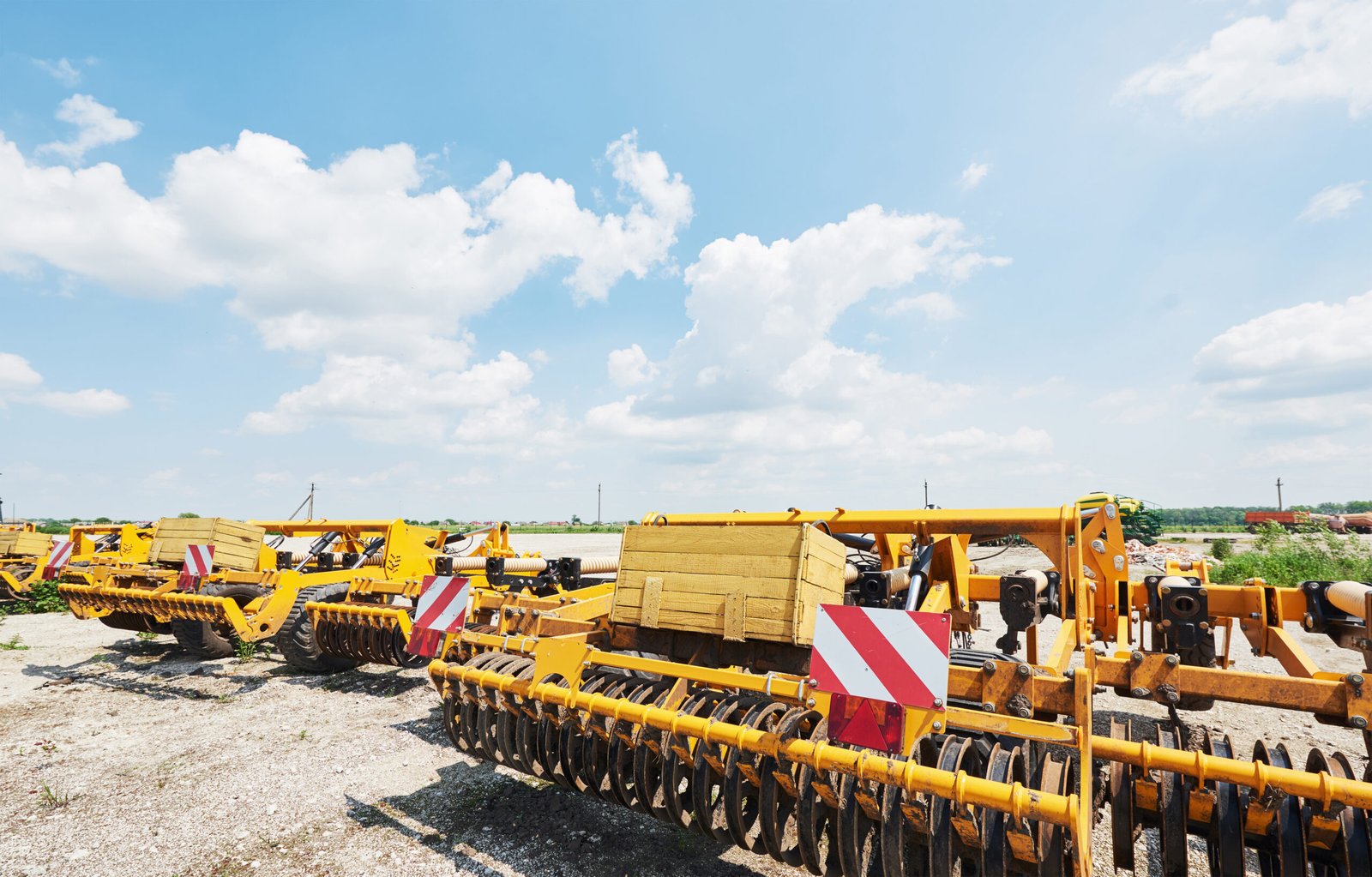
Multi brand construction machinery supplier

When it comes to choosing a reliable Multi brand construction machinery supplier, businesses worldwide need a partner that delivers quality, variety, and value. H&A Trading stands out as a trusted global supplier offering a wide range of heavy equipment and construction solutions tailored to contractors, builders, and infrastructure developers.

In today’s competitive construction industry, sourcing the right equipment is critical for project success. Whether you are looking for construction machinery sourcing, heavy equipment rental supplier options, or construction equipment solutions, H&A Trading provides everything under one roof.

Why Choose a Multi Brand Construction Machinery Supplier?

Working with a multi brand equipment supplier gives you flexibility, cost efficiency, and access to the latest technologies. Instead of being limited to one brand, you can choose machinery that best suits your project needs.

Access to Multiple Brands and Options

A multi brand machinery dealer offers a diverse inventory including excavators, loaders, cranes, and more. This ensures you always find the right machine for your job.

Better Pricing and Value

With construction machinery wholesale options, companies can save significantly on bulk purchases. Competitive pricing is a key advantage of working with a global supplier.

Customized Equipment Supply

From small projects to large infrastructure developments, equipment supply for projects can be tailored to meet specific requirements.

beard worker man suit construction worker safety orange helmet sunglasses against tractor with mobile phone hand

Comprehensive Construction Equipment Solutions & Global Supply Services

Construction Equipment Solutions for Every Project

Modern construction projects require advanced and reliable machinery. As a construction equipment distributor, H&A Trading offers complete construction equipment solutions for contractors and developers.

Heavy Machinery Solutions Provider

From excavation to material handling, we act as a heavy machinery solutions provider, ensuring every stage of your project runs smoothly.

Equipment Supplier for Contractors

We understand the needs of contractors and provide flexible solutions, making us a trusted equipment supplier for contractors worldwide.


Wide Range of Products Offered

As a multi brand heavy equipment provider, H&A Trading offers a comprehensive range of machinery.

1. Earthmoving Equipment

  • Excavators
  • Bulldozers
  • Backhoe loaders

Our role as a construction machinery dealer ensures access to top-quality earthmoving equipment.

2. Material Handling Equipment

  • Cranes
  • Forklifts
  • Telehandlers

We serve as a reliable heavy machinery dealer for lifting and transport needs.

3. Road Construction Equipment

  • Asphalt pavers
  • Rollers
  • Concrete mixers

4. Industrial Machinery

As an industrial machinery supplier, we also cater to manufacturing and infrastructure industries.


Global Equipment Supply & Distribution

H&A Trading operates as a machinery supplier international, delivering equipment to clients across continents.

Efficient Supply Chain

Our construction machinery sourcing and logistics expertise ensure timely delivery.

Bulk Equipment Supplier

For large-scale projects, we act as a bulk equipment supplier, offering competitive pricing and fast turnaround.


Benefits of Choosing H&A Trading

1. Cost Efficiency

With construction equipment wholesale pricing, clients save more on purchases.

2. Reliability

We ensure all equipment meets international quality standards.

3. Global Reach

As a global equipment supplier, we serve clients worldwide.

4. Flexible Options

We also support heavy equipment rental supplier requirements for short-term projects.

5. End-to-End Services

From construction equipment sourcing to delivery, we handle everything.


Key Features of Our Services

Advanced Procurement Process

Our construction equipment procurement system ensures quick and efficient sourcing.

Strong Vendor Network

We collaborate with top manufacturers as a multi brand equipment distributor.

Customized Solutions

We provide tailored construction equipment solutions based on project needs.

Project-Based Supply

Our equipment supply for projects ensures you get the right machinery at the right time.

Why is Choosing the Right Multi Brand Construction Machinery Supplier Important?

FactorBenefitExample / Impact
Access to Multiple BrandsVariety of machinery optionsChoose the right machine for each project task
Cost EfficiencyLower project costsBulk pricing and competitive deals reduce expenses
Reliability & QualityMinimized downtimeDurable equipment ensures smooth operations
Flexible SolutionsTailored procurement & rentalShort-term rentals or long-term supply options
Global Reach & SupportSmooth delivery & assistanceEquipment delivered anywhere with reliable support
Time-Saving ProcurementFaster project executionQuick sourcing and logistics keep projects on schedule

Why choose H&A Trading as a multi brand construction machinery supplier?

H&A Trading offers a wide range of machinery, competitive pricing, and global delivery, making it a trusted multi brand construction machinery supplier.

Comprehensive Construction Equipment Solutions & Global Supply Services Modern construction demands efficiency, reliability, and access to the right machinery. As a trusted Multi brand construction machinery supplier, H&A Trading delivers complete construction equipment solutions tailored to meet the needs of contractors, builders, and infrastructure developers worldwide. With a strong focus on quality and performance, we ensure every project is supported with the right equipment at the right time. As a leading construction equipment distributor, H&A Trading provides end-to-end services that simplify construction machinery sourcing and procurement. Whether you are managing a small construction site or a large infrastructure project, our team ensures seamless equipment supply for projects with minimal delays and maximum efficiency. Our expertise as a heavy machinery solutions provider allows us to support all stages of construction, from excavation to finishing. We operate as a reliable multi brand equipment supplier, giving clients access to a wide range of machinery from different manufacturers. This flexibility allows businesses to choose equipment that best fits their budget and project requirements. As a multi brand equipment distributor, we maintain strong relationships with global manufacturers, ensuring consistent availability and competitive pricing. H&A Trading offers a comprehensive range of machinery, making us a preferred construction machinery dealer and heavy machinery dealer. Our product portfolio includes earthmoving equipment such as excavators, bulldozers, and backhoe loaders, as well as material handling machines like cranes, forklifts, and telehandlers. We also supply road construction equipment including asphalt pavers, rollers, and concrete mixers. Additionally, as an industrial machinery supplier, we cater to manufacturing and infrastructure industries with specialized equipment. Our global presence makes us a dependable machinery supplier international, serving clients across multiple countries. With a strong logistics network, we ensure smooth delivery and efficient handling of orders. Our role as a bulk equipment supplier allows us to support large-scale projects with cost-effective solutions, especially through construction equipment wholesale pricing models. One of the key advantages of working with H&A Trading is our ability to provide flexible options, including support from a heavy equipment rental supplier for short-term needs. This helps businesses manage costs while maintaining operational efficiency. Our advanced construction equipment procurement system ensures fast sourcing, reducing downtime and improving productivity. Choosing H&A Trading means partnering with a global equipment supplier committed to quality, reliability, and customer satisfaction. From construction equipment sourcing to final delivery, we provide complete support, helping businesses achieve better performance and higher returns on investment. Detailed Insights into Construction Equipment Supply and Industry Practices The construction industry is one of the most dynamic and demanding sectors in the world. Projects vary in size, complexity, and location, which makes the need for reliable equipment even more critical. Companies operating in this space must ensure that they have access to machinery that not only performs efficiently but also aligns with project timelines and safety standards. This is where a structured and well-managed supply approach becomes essential. Understanding the Importance of Equipment Planning Effective planning is the foundation of any successful construction project. Before any work begins, project managers must identify the type of machinery required, estimate usage duration, and determine whether purchasing or renting is the best option. Proper planning helps avoid unnecessary expenses and ensures that resources are utilized efficiently. Equipment planning also involves assessing site conditions. For example, projects in urban areas may require compact machinery, while large-scale infrastructure developments may need heavy-duty equipment. By aligning equipment selection with project requirements, companies can significantly improve operational efficiency. Role of Technology in Modern Construction Technology has transformed the way construction projects are executed. Modern machinery is now equipped with advanced features such as GPS tracking, automation, and real-time monitoring systems. These innovations help improve accuracy, reduce manual effort, and enhance safety on-site. Telematics systems, for instance, allow operators to monitor machine performance, fuel consumption, and maintenance needs. This data-driven approach helps reduce downtime and ensures that equipment is always operating at optimal levels. Additionally, automation in machinery has improved precision, especially in tasks like excavation and grading. Maintenance and Lifecycle Management Proper maintenance is crucial to ensure the longevity and performance of construction equipment. Regular inspections, timely servicing, and the use of genuine spare parts play a significant role in preventing breakdowns and costly repairs. Lifecycle management involves tracking equipment from acquisition to disposal. By maintaining detailed records, companies can make informed decisions about when to repair, upgrade, or replace machinery. This not only improves efficiency but also helps control costs over the long term. Preventive maintenance strategies are particularly important. Instead of waiting for a machine to fail, routine checks can identify potential issues early, minimizing disruptions to project timelines. Safety Standards and Compliance Safety is a top priority in the construction industry. Operating heavy machinery involves risks, and companies must ensure that all equipment meets international safety standards. Proper training for operators is equally important to prevent accidents and ensure smooth operations. Compliance with regulations varies from region to region, but most countries have strict guidelines regarding equipment usage, emissions, and worker safety. Adhering to these standards not only protects workers but also enhances the reputation of the company. Safety features in modern machinery, such as automatic shut-off systems and enhanced visibility controls, have significantly reduced the risk of accidents. However, regular training and awareness programs remain essential. Cost Management Strategies Managing costs effectively is a major challenge in construction projects. Equipment expenses often account for a significant portion of the overall budget. Therefore, companies must adopt strategies to optimize spending without compromising on quality. One common approach is to evaluate the total cost of ownership rather than just the initial purchase price. This includes maintenance, fuel consumption, and operational efficiency. Sometimes, investing in higher-quality equipment can lead to long-term savings. Another strategy is to use a mix of owned and rented equipment. This allows companies to maintain flexibility and avoid unnecessary capital expenditure. Bulk purchasing and long-term partnerships with suppliers can also help reduce costs. Logistics and Transportation Challenges Transporting construction equipment across different locations can be complex, especially for large or heavy machinery. Proper logistics planning is essential to ensure timely delivery and avoid delays. Factors such as transportation routes, permits, and handling requirements must be carefully considered. In international projects, customs regulations and documentation add another layer of complexity. Efficient logistics management helps ensure that equipment reaches the site on time and in good condition. Advanced tracking systems have made it easier to monitor shipments and manage deliveries. Real-time updates allow project managers to plan more effectively and respond quickly to any issues. Environmental Considerations Sustainability has become an important focus in the construction industry. Companies are increasingly adopting eco-friendly practices to reduce their environmental impact. This includes using energy-efficient machinery, reducing emissions, and minimizing waste. Modern equipment is designed to meet strict emission standards, making it more environmentally friendly. Electric and hybrid machinery are also gaining popularity, especially in urban areas where noise and pollution are major concerns. Recycling and reusing materials is another way to promote sustainability. By adopting green practices, companies can not only reduce their environmental footprint but also improve their brand image. Importance of Skilled Operators Even the most advanced machinery requires skilled operators to function effectively. Proper training ensures that equipment is used correctly, reducing the risk of accidents and improving productivity. Operators must be familiar with the features and capabilities of the machinery they are using. Regular training sessions and certifications help keep them updated with the latest technologies and safety standards. Skilled operators also play a key role in maintenance. By identifying early signs of wear and tear, they can help prevent major issues and ensure that equipment remains in good condition. Adapting to Global Market Trends The construction industry is constantly evolving, influenced by economic conditions, technological advancements, and changing customer demands. Companies must stay updated with these trends to remain competitive. One significant trend is the increasing demand for flexible solutions. Businesses are looking for options that allow them to scale operations up or down based on project requirements. This has led to a rise in rental services and customized supply models. Digital transformation is another major trend. Online platforms and digital tools are making it easier to manage projects, track equipment, and communicate with stakeholders. These innovations are improving efficiency and transparency across the industry. Building Long-Term Partnerships Strong relationships with suppliers and service providers are essential for long-term success. Reliable partners can provide consistent support, timely deliveries, and valuable insights into market trends. Long-term partnerships also lead to better pricing and priority service. By working closely with trusted partners, companies can ensure that their equipment needs are always met, even during peak demand periods. Communication and transparency are key to building these relationships. Regular feedback and collaboration help create a mutually beneficial partnership. Future Outlook of the Construction Equipment Industry The future of the construction equipment industry looks promising, with continued growth expected in the coming years. Infrastructure development, urbanization, and technological advancements are driving demand for advanced machinery. Automation and artificial intelligence are likely to play a bigger role, making equipment smarter and more efficient. Remote operation and predictive maintenance are also expected to become more common. Sustainability will remain a key focus, with increased adoption of eco-friendly technologies. Companies that embrace these changes will be better positioned to succeed in the evolving market. Conclusion The construction industry relies heavily on efficient equipment management and supply strategies. From planning and procurement to maintenance and logistics, every aspect plays a crucial role in project success. By adopting modern technologies, focusing on safety, and building strong partnerships, companies can overcome challenges and achieve better results. As the industry continues to evolve, staying adaptable and forward-thinking will be essential. Businesses that invest in quality equipment, skilled workforce, and sustainable practices will not only improve their operations but also gain a competitive edge in the global market. How We Help Improve Project Efficiency Choosing the right multi brand construction machinery supplier directly impacts productivity and cost. Reduced Downtime Reliable equipment minimizes breakdowns. Improved Performance Modern machinery enhances project speed and quality. Better ROI Affordable pricing and durable equipment increase returns on investment. Strategic Approaches to Equipment Management and Project Success In today’s fast-paced construction environment, success depends on more than just having access to machinery. It requires a strategic approach to managing resources, improving workflows, and ensuring that every aspect of a project is aligned with its goals. Companies that focus on efficiency, planning, and adaptability are better positioned to deliver projects on time and within budget. The Role of Project Coordination Effective coordination is essential for keeping construction activities on track. Every project involves multiple teams, including engineers, operators, logistics personnel, and site managers. Without proper coordination, delays and miscommunication can quickly arise. A well-organized workflow ensures that tasks are completed in the right sequence. For example, site preparation must be completed before structural work begins. Coordinating equipment availability with project timelines helps prevent idle time and improves productivity. Clear communication between teams also reduces the chances of errors and rework. Importance of Time Management Time is one of the most valuable resources in any construction project. Delays can lead to increased costs and missed deadlines, which may impact client satisfaction. Proper scheduling and time management techniques help ensure that each phase of the project progresses smoothly. Using project management tools allows teams to track progress, set milestones, and identify potential delays early. By monitoring timelines closely, companies can make adjustments and keep the project moving forward. Efficient time management also improves resource allocation, ensuring that equipment and personnel are used effectively. Enhancing Productivity Through Workflow Optimization Optimizing workflows is a key factor in improving overall productivity. This involves analyzing each stage of the construction process and identifying areas where improvements can be made. Streamlining operations helps reduce waste, minimize delays, and increase output. For instance, organizing the worksite layout can significantly impact efficiency. Proper placement of materials and machinery reduces unnecessary movement and saves time. Standardizing processes also helps ensure consistency and quality across different projects. Automation and digital tools play a major role in workflow optimization. By reducing manual tasks, these technologies allow workers to focus on more critical aspects of the project. This not only improves efficiency but also enhances accuracy. Managing Risks in Construction Projects Every construction project comes with its own set of risks, including safety hazards, equipment failures, and unexpected delays. Identifying and managing these risks is crucial for ensuring smooth operations. Risk management begins with thorough planning and assessment. Companies must evaluate potential challenges and develop strategies to address them. This may include implementing safety protocols, maintaining backup equipment, and creating contingency plans. Regular monitoring and evaluation help identify issues early, allowing for quick resolution. By taking a proactive approach, companies can minimize disruptions and maintain project continuity. Financial Planning and Budget Control Maintaining financial control is essential for the success of any construction project. Proper budgeting ensures that resources are allocated efficiently and that costs are kept under control. Detailed cost estimation is the first step in financial planning. This includes expenses related to materials, labor, equipment, and logistics. By creating a comprehensive budget, companies can avoid unexpected costs and manage their finances effectively. Tracking expenses throughout the project helps ensure that spending remains within the allocated budget. Regular financial reviews allow companies to identify areas where adjustments may be needed. This level of control not only improves profitability but also builds trust with clients. Importance of Quality Assurance Quality is a critical factor in construction projects. Delivering high-quality results not only meets client expectations but also enhances the reputation of the company. Implementing strong quality assurance practices ensures that all work is completed to the required standards. Quality control involves regular inspections and testing at different stages of the project. This helps identify any issues early and ensures that corrective actions are taken promptly. Using high-quality materials and following best practices also contribute to better outcomes. Training and supervision play a key role in maintaining quality. Skilled workers who understand the importance of quality are more likely to deliver consistent results. Communication and Collaboration Clear communication is essential for the success of any project. It ensures that all team members are aligned with the project goals and understand their responsibilities. Effective communication reduces misunderstandings and improves overall efficiency. Collaboration between different teams helps create a more cohesive working environment. When teams work together effectively, they can solve problems more quickly and make better decisions. This collaborative approach also encourages innovation and continuous improvement. Using digital communication tools allows teams to stay connected, even when working in different locations. Real-time updates and shared platforms make it easier to manage projects and keep everyone informed. Adapting to Changing Project Requirements Construction projects often face changes in scope, design, or timelines. Being able to adapt to these changes is crucial for maintaining progress and meeting client expectations. Flexibility in planning and resource management allows companies to respond quickly to new requirements. This may involve reallocating resources, adjusting schedules, or modifying workflows. Companies that are prepared for change are better equipped to handle challenges and deliver successful outcomes. Continuous learning and improvement also play a role in adaptability. By analyzing past projects and identifying areas for improvement, companies can develop more effective strategies for future projects. Sustainability and Responsible Practices Sustainability is becoming increasingly important in the construction industry. Companies are expected to adopt practices that minimize environmental impact and promote responsible resource usage. This includes reducing waste, using energy-efficient processes, and selecting environmentally friendly materials. Sustainable practices not only benefit the environment but also improve the long-term viability of projects. Incorporating sustainability into project planning helps companies meet regulatory requirements and enhance their reputation. Clients are also more likely to choose companies that demonstrate a commitment to responsible practices. Workforce Development and Training A skilled workforce is essential for achieving high levels of productivity and quality. Investing in training and development ensures that workers have the knowledge and skills needed to perform their tasks effectively. Training programs should cover technical skills, safety procedures, and the use of modern technologies. Continuous learning helps workers stay updated with industry advancements and improves overall performance. Providing opportunities for growth and development also helps attract and retain talented workers. A motivated workforce is more likely to contribute to the success of the project. Leveraging Data for Better Decision-Making Data plays a crucial role in modern construction management. By collecting and analyzing data, companies can gain valuable insights into their operations and make informed decisions. Data can be used to track performance, identify trends, and measure the effectiveness of different strategies. This information helps companies optimize their processes and improve efficiency. Advanced analytics tools allow for real-time monitoring and predictive analysis. This enables companies to anticipate potential issues and take proactive measures to address them.