About H&A TRADING
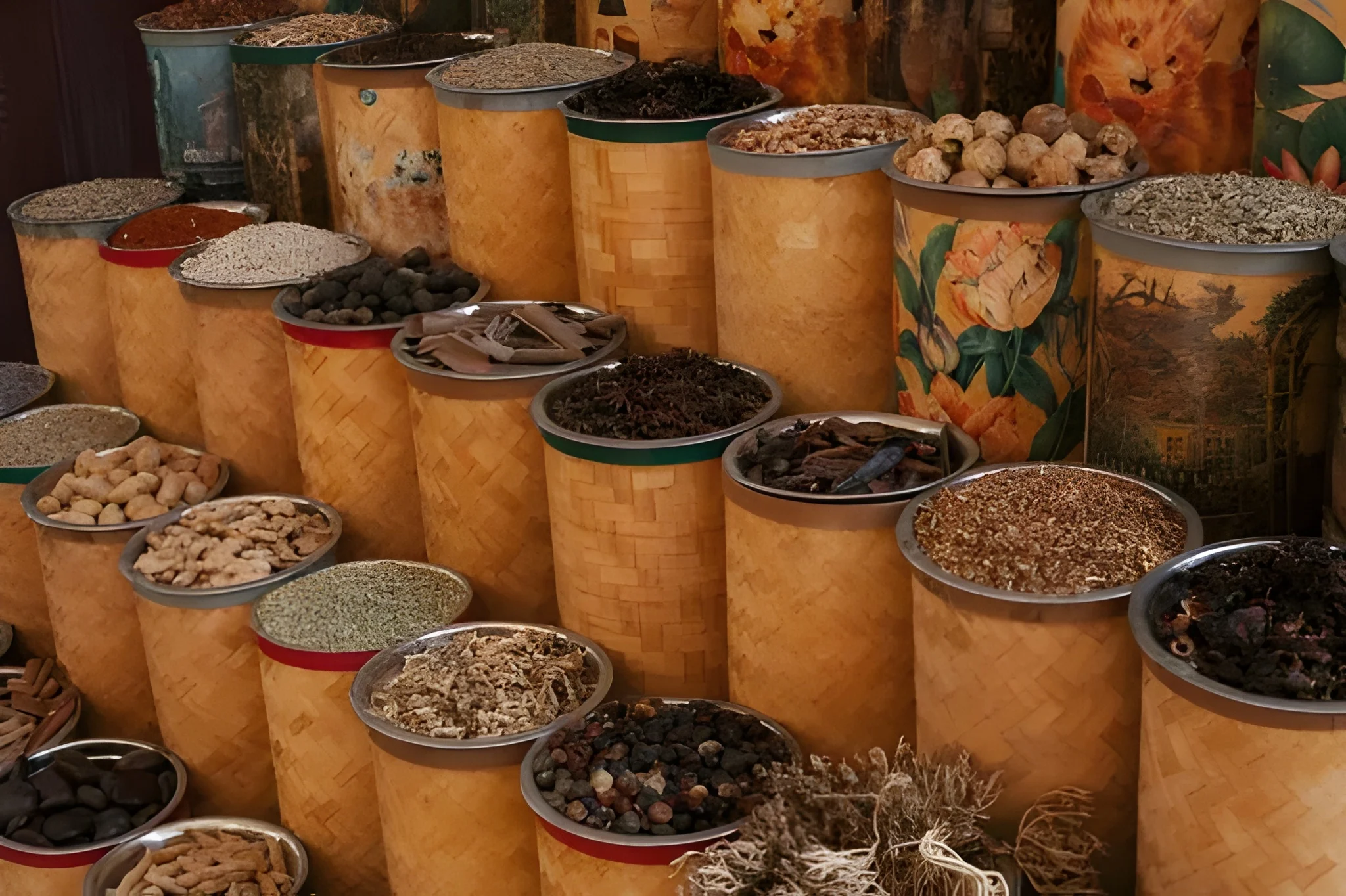
H&A TRADING supports businesses seeking dependable sourcing arrangements for dry food products across commercial markets. Our wholesale dry food trading solutions address the purchasing needs of retailers, food distributors, restaurants, hospitality operators, food manufacturers, and institutional buyers. Depending on supplier availability, sourcing requirements may include grains, pulses, beans, nuts, seeds, dried fruits, dehydrated ingredients, and everyday packaged food products.
For commercial buyers, choosing suitable products involves more than comparing unit prices. Product specifications, country of origin, packaging size, minimum order quantities, storage conditions, and delivery destinations can influence purchasing decisions. As bulk dry food suppliers for businesses, our sourcing approach focuses on matching these requirements with available supply options and practical procurement arrangements.
Our B2B dry food distribution services support business-to-business purchasing requirements across different order sizes and product categories. Retailers can explore wholesale pantry staples for retailers to plan routine stock replenishment, while food processors may require ingredients with specific grades, moisture levels, or processing formats. Businesses seeking a bulk grains and beans wholesale distributor can evaluate suitable commodities according to their intended applications, handling facilities, and purchasing schedules.
Restaurants, catering companies, and commercial kitchens often need ingredients that fit established menus, preparation methods, and inventory systems. Our foodservice bulk dry ingredients supply approach considers these commercial requirements when identifying relevant sourcing opportunities. For supermarket operators, bulk packaged foods for supermarkets can support product assortment planning across commonly purchased grocery categories, subject to available brands, formats, and quantities.
H&A TRADING also supports sourcing discussions involving commercial dry food sourcing solutions for buyers managing multiple suppliers or procurement destinations. Through coordination with international dry food export suppliers, businesses can explore cross-border purchasing opportunities while considering applicable import rules, customs documentation, food labelling requirements, and shipment conditions. Our dry food logistics and distribution services focus on the practical coordination required to move goods between supply points and intended destinations.
Our Vision
Our vision is to help commercial buyers identify suitable dry food sourcing opportunities and develop organized purchasing arrangements that accommodate their business objectives. We recognize that a regional grocery distributor, a restaurant group, and a large food manufacturer may have very different expectations regarding quantities, packaging, product consistency, and delivery frequency.
As demand for long shelf-life food wholesale for restaurants influences inventory decisions, buyers need to assess more than the stated shelf-life period. Packaging integrity, recommended storage temperatures, moisture exposure, stock rotation, and expiry dates all affect how dry food products should be managed. Appropriate storage practices can help businesses maintain product quality throughout their stated shelf life.
We aim to help buyers evaluate affordable wholesale dry food options by considering the complete procurement cost rather than the quoted product price alone. Freight charges, handling expenses, import duties, order quantities, and storage costs may affect the final landed cost. Comparing supplier quotations on consistent specifications can make purchasing decisions more meaningful and help businesses select options suited to their budgets.
Our vision also includes opportunities to source specialty wholesale dry food products for buyers serving specific culinary, retail, and food manufacturing requirements. Depending on availability, these may include selected nuts, seeds, dried fruits, pulses, herbs, spices, and dehydrated food ingredients. Buyers exploring organic dry foods wholesale suppliers should review applicable certification documents, product traceability, ingredient declarations, and the standards relevant to their destination market before making purchasing commitments.
We aim to support commercial buyers through:
Sourcing options suited to different business sizes, order volumes, and purchasing schedules.
Evaluation of competitive pricing bulk dry goods opportunities based on product specifications, quantity, and delivery terms.
Practical procurement coordination that considers product availability, documentation, transport arrangements, and inventory planning.
Our Mission
Our mission is to make commercial dry food procurement easier to coordinate by connecting purchasing requirements with suitable product and supply options. Different customer groups have different priorities: supermarkets need consistent replenishment, food manufacturers require ingredients that meet production specifications, and institutions may need planned deliveries for regular meal preparation.
Through large-scale dry food procurement services, we aim to support purchasing discussions involving bulk quantities, multiple product categories, and scheduled supply requirements. Effective procurement planning includes confirming specifications, checking available quantities, agreeing on packaging formats, and establishing delivery expectations before an order is finalized. These steps help buyers assess whether a sourcing arrangement fits their operational needs.
Our institutional dry food supply chain solutions are relevant to organizations that manage food purchasing for hospitals, educational facilities, catering operations, and other large-scale meal services, subject to product availability and contractual requirements. Clear order documentation, batch identification, expiry information, and suitable storage arrangements can help procurement teams manage incoming goods and maintain accurate inventory records.
Businesses planning to launch their own grocery ranges may also investigate private label dry food wholesale solutions. Such arrangements depend on the supplier’s capabilities, product specifications, packaging design, labelling rules, minimum production quantities, and agreed commercial terms. Buyers should confirm ingredient information, shelf-life declarations, packaging requirements, and any necessary market approvals before proceeding with private-label production.
For manufacturers and foodservice operators, a wholesale dehydrated food distributor can be relevant when sourcing dried vegetables, fruit pieces, powders, herbs, or other moisture-reduced ingredients. Air-drying, freeze-drying, and spray-drying serve different processing purposes and can produce ingredients with different textures, moisture characteristics, and functional properties. The right option depends on the intended recipe, manufacturing process, storage arrangements, and product specifications. Buyers should review the relevant technical documentation instead of assuming that all dried ingredients perform identically.
Our sourcing approach also considers the practical value of a wholesale nuts and seeds distributor for businesses purchasing ingredients for bakery products, snack mixes, cereals, confectionery, and packaged foods. Product variety, grade, origin, allergen information, packaging, and handling conditions may all be important during supplier evaluation. Similar considerations apply when selecting bulk pulses, grains, and other pantry ingredients.
As a wholesale dry food marketplace for buyers becomes increasingly relevant to commercial procurement, accurate product information can make supplier comparisons easier. Consistent descriptions, pack sizes, available quantities, origin details, and delivery terms help purchasing teams assess comparable offers. Digital catalogues and organized quotation workflows can further support communication between buyers and suppliers, although final product availability and commercial terms should always be confirmed directly.
H&A TRADING aims to build practical sourcing relationships that support informed purchasing, clear communication, and coordinated distribution. By considering product suitability, order requirements, applicable trade regulations, and destination-specific needs, we seek to help businesses make procurement decisions aligned with their day-to-day operations and longer-term supply objectives.
Key Strengths of H&A TRADING
Benefits of Wholesale Dry Food Sourcing with H&A TRADING
Choosing a suitable dry food sourcing partner can help businesses coordinate purchasing across multiple product categories and manage changing stock requirements. H&A TRADING focuses on practical sourcing arrangements for retailers, restaurants, distributors, food manufacturers, and institutional purchasers, with product selection and supply terms subject to availability and agreement.
Our wholesale dry food trading solutions are designed to accommodate different commercial purchasing priorities, from routine grocery replenishment to larger ingredient orders. Buyers can evaluate available products according to intended use, packaging requirements, order quantities, and destination-market specifications before confirming a purchase.
Businesses operating commercial kitchens can explore foodservice bulk dry ingredients supply for ingredients used in meal preparation, baking, sauces, seasonings, and other food applications. Retail businesses may consider wholesale pantry staples for retailers when planning product assortments and maintaining stock across frequently purchased grocery categories. Similarly, a bulk grains and beans wholesale distributor can help buyers identify suitable grain and pulse options according to product grade, origin, and required quantity.
Depending on supplier availability, purchasing requirements may also include a wholesale dehydrated food distributor for dried vegetables, fruit pieces, and powdered ingredients. A wholesale nuts and seeds distributor may serve businesses sourcing ingredients for snack production, bakery recipes, cereal blends, and packaged food ranges. Each product should be assessed against its intended application, ingredient specifications, packaging integrity, and storage requirements.
Wholesale Dry Food Supply for Commercial Markets
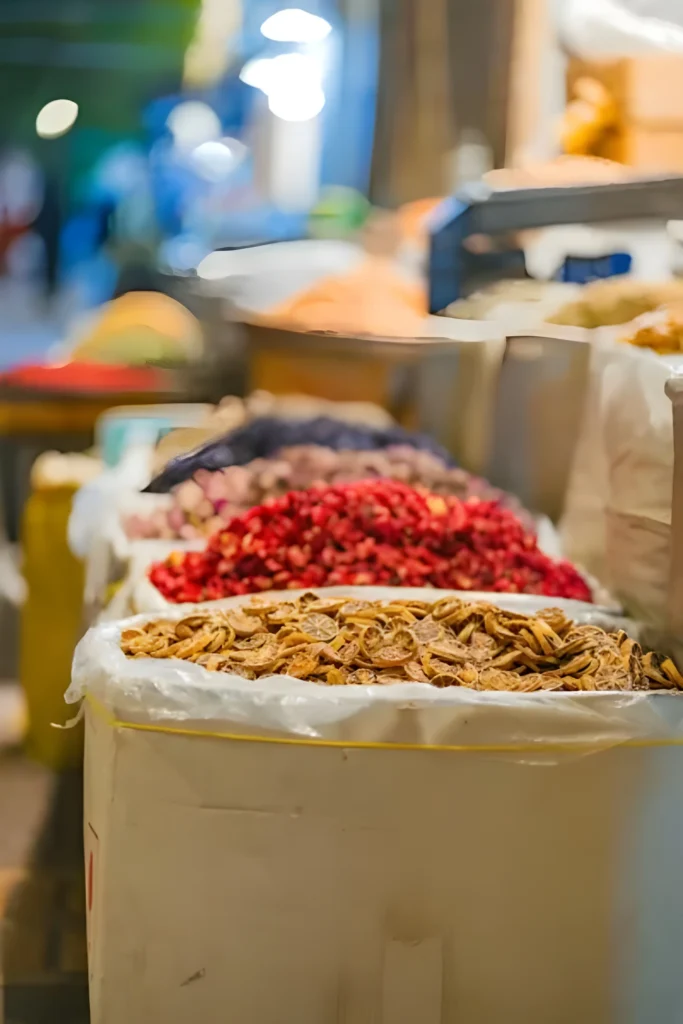
H&A TRADING supports commercial buyers exploring dry food purchasing opportunities for retail distribution, food preparation, manufacturing, and institutional use. Available sourcing categories may include staple grains, pulses, edible nuts, seeds, dried fruits, spices, dehydrated ingredients, and packaged grocery products. Our wholesale dry food trading solutions focus on matching purchasing requirements with suitable products, quantities, and agreed supply arrangements.
Businesses evaluating bulk dry food suppliers for businesses can compare product grades, origin, pack sizes, minimum order quantities, and delivery terms before selecting a supplier. Our B2B dry food distribution services support procurement coordination across relevant product categories, helping buyers organize requirements according to inventory needs and purchasing schedules. These arrangements can also support businesses seeking commercial dry food sourcing solutions for regular replenishment or larger procurement orders.
Product Selection, Quality Checks and Supply Planning
Effective dry food purchasing begins with clear product specifications. Buyers should identify the required ingredient, grade, origin, pack size, estimated volume, and intended use before requesting quotations. These details help suppliers evaluate availability and allow purchasing teams to compare offers on a consistent basis.
Product processing is another consideration. Whole grains and pulses may suit bulk grocery sales or food preparation, while sliced, diced, flaked, or powdered ingredients may be more appropriate for particular manufacturing processes. Drying methods can affect texture, moisture content, appearance, and ingredient performance, so product-specific technical information should guide selection.
Packaging and storage also influence purchasing decisions. Commercial buyers should review the stated shelf life, expiry dates, batch identification, packaging material, and recommended storage conditions. For long shelf-life food wholesale for restaurants, proper stock rotation and protection from excessive moisture, heat, pests, and damaged packaging are important parts of inventory management.
Distribution Coordination for Commercial Buyers
Coordinating supply across multiple destinations requires attention to order confirmation, shipment schedules, product documentation, and receiving arrangements. Businesses exploring commercial dry food sourcing solutions should communicate expected quantities, delivery locations, packaging preferences, and purchasing timelines early in the process.
For international orders, buyers and suppliers may need to confirm customs documentation, applicable food import regulations, labelling requirements, and any destination-specific product approvals. These requirements vary by product and market, making verification an important part of cross-border procurement.
H&A TRADING aims to support organized purchasing discussions by helping commercial buyers assess available product options and relevant supply requirements. Clear specifications, comparable quotations, and advance delivery planning can help businesses manage inventory more effectively while aligning procurement decisions with their operational needs.
How do wholesale dry food suppliers support food businesses?
| Service Type | Explanation |
|---|---|
| Bulk Food Supply | Provides large quantities of dry food products for businesses. |
| Food Distribution Services | Supports timely delivery and supply chain management. |
| Pantry Staples Supply | Supplies essential food products for retailers and restaurants. |
| Long Shelf-Life Products | Helps reduce food waste and improve storage efficiency. |
| International Food Trade | Supports global sourcing and export of dry food products. |
What products does H&A TRADING supply?
H&A TRADING offers a wide range of dry food products including grains, legumes, nuts, seeds, dehydrated foods, packaged groceries, organic options, and specialty diet items. We also provide private label solutions and bulk packaging tailored to commercial, retail, and institutional needs.
What Are the Best Wholesale Dry Foods for Reselling?
Wholesale dry foods with strong resale potential include rice, pulses, grains, flour, spices, dried fruits, nuts, and packaged staples. Choose products based on shelf life, local demand, wholesale pricing, storage requirements, and consistent supplier availability.
What Documents Do I Need to Buy Wholesale Food?
For wholesale food purchases, businesses may need a valid trade license, company registration, tax details, import or food-handling permits, and purchase documentation. Requirements vary by country, product type, and destination market.
What's the Difference Between Food Wholesalers and Distributors?
A food wholesaler typically sells products in bulk to retailers and businesses, while a distributor often manages sourcing, storage, logistics, and delivery for specific brands or manufacturers across multiple markets.
What Certifications Matter When Choosing a Food Supplier?
Look for certifications such as HACCP, ISO 22000, and relevant food safety or quality certifications. Depending on the destination market, halal, organic, or other product-specific certifications may also be important.
Can I Start a Food Business with Wholesale Dry Goods?
Yes. Wholesale dry goods can be a practical starting point for a food business because many products have longer shelf lives and are available in bulk. Check local licensing, storage, labeling, food safety, and import requirements before selling.
What's the Most Important Factor in Choosing a Food Supplier?
The most important factor is consistent product quality and food safety. A suitable supplier should also offer reliable delivery, clear documentation, competitive pricing, appropriate certifications, and dependable communication to support long-term business needs.

Read More Posts
https://haglobaltrade.com/global-frozen-protein-supplier/
Leave a Reply Cancel reply
Comments

We facilitate import, export, and specialized trade services to connect businesses to the products they need.
Links
Our Services
Copyright © 2025 All Right Reserved H&A TRADING. Powered by Adsonz
H&A TRADING made our wholesale dry food sourcing process easier with clear communication and well-coordinated supply arrangements. Their Wholesale Dry Food Trading service helped us explore suitable products for our business requirements. We recommend H&A TRADING to businesses looking for reliable dry food sourcing support.
H&A TRADING has been a helpful partner for our wholesale dry food trading solutions in Dubai, UAE. Their sourcing support and communication made it easier for us to coordinate bulk purchasing requirements and plan our supplies. We appreciate their professional approach to business needs.
We had a good experience with H&A Trading for our dry food sourcing requirements in Dubai. Their team was helpful with product information and purchasing coordination, making the process straightforward for our business. A good option for businesses looking for a dry food trading partner in the UAE.
We needed a consistent supplier for our business, and H&A Trading made the process much easier. Their wholesale dry food trading solutions gave us good product options, smooth communication, and convenient order coordination. Overall, a dependable experience.
We had a smooth experience with H&A Trading for their wholesale dry food trading solutions. Their product selection, communication, and order coordination made bulk sourcing straightforward. The team was responsive and handled our requirements professionally from start to finish.