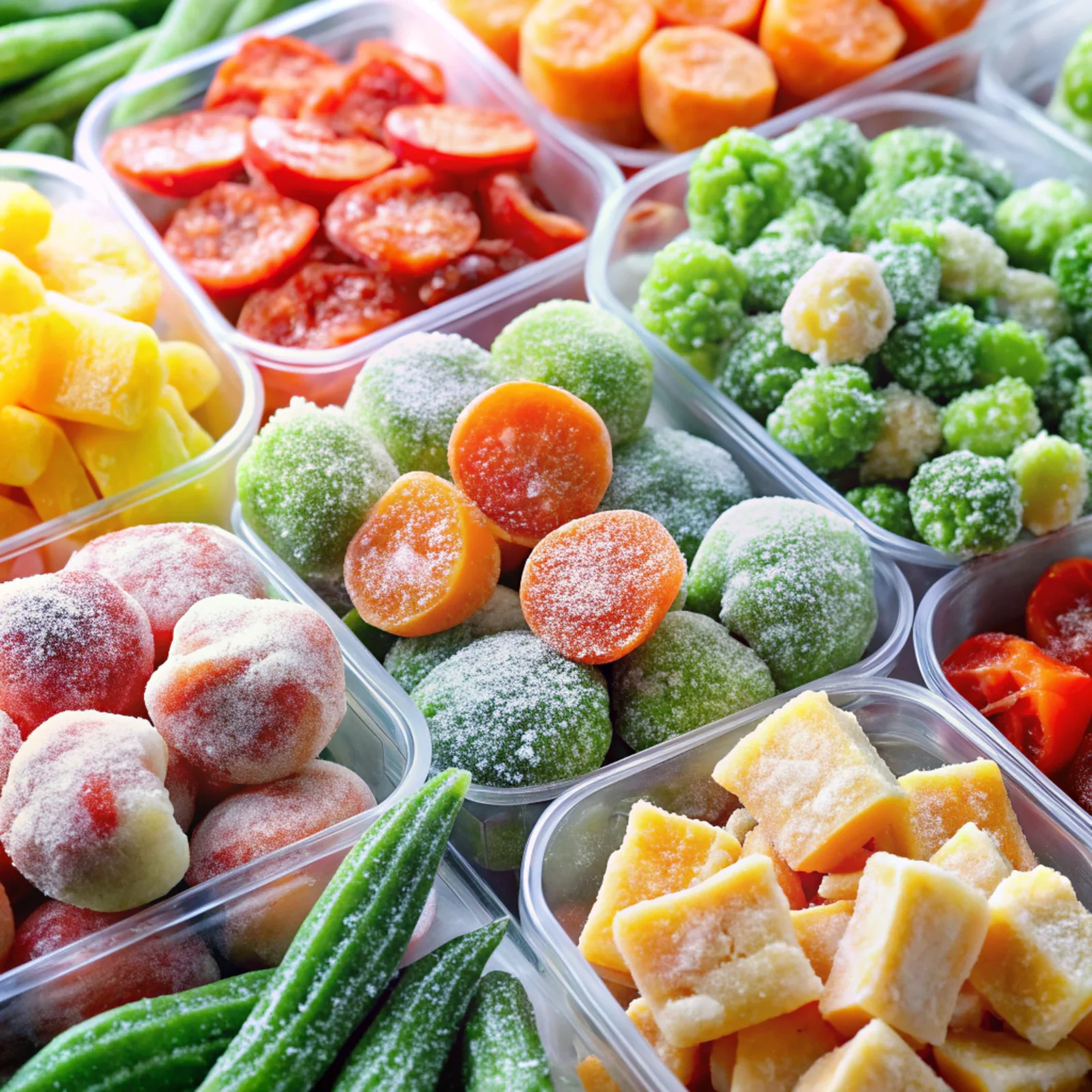
Choosing an International Frozen Food Supplier requires careful evaluation of product specifications, food safety documentation, packaging, and cold-chain transportation. H&A Trading supports commercial sourcing as a frozen food exporter, helping buyers procure frozen seafood, meat, poultry, vegetables, fruits, dairy products, and ready meals for international markets. As a frozen food trading company, H&A Trading serves businesses seeking bulk purchasing options for retail, wholesale, and foodservice distribution.
Buyers can assess product formats, storage requirements, export documentation, and destination-market regulations before confirming orders. Whether sourcing through a global frozen food distributor or a bulk frozen food supplier, importers benefit from clear specifications, traceability, and coordinated logistics that help maintain product quality throughout international transportation. Frozen product categories may include individually quick frozen (IQF) vegetables and fruits, frozen convenience foods, and prepared meals, depending on supplier availability. Businesses can also evaluate frozen food import export company services, private-label options, and commercial packaging requirements to match their target markets. For buyers sourcing canned vegetables and other shelf-stable products alongside frozen goods, coordination with wholesale canned food suppliers in Dubai UAE can support broader procurement needs.
About H&A Trading – Your Trusted Frozen Food Trading Company
H&A Trading connects commercial buyers with frozen food sourcing options for retail, wholesale, hospitality, and foodservice markets. Its solutions help importers evaluate product specifications, packaging, and export requirements.
Available options include wholesale frozen food exporter services for bulk procurement, private label frozen food supplier solutions for customized packaging, and IQF frozen food supplier options for individually quick frozen fruits and vegetables. Buyers can also explore frozen convenience food exporter and frozen snacks exporter options for restaurants, hotels, retailers, and caterers, alongside commercial frozen fruit and vegetable sourcing.
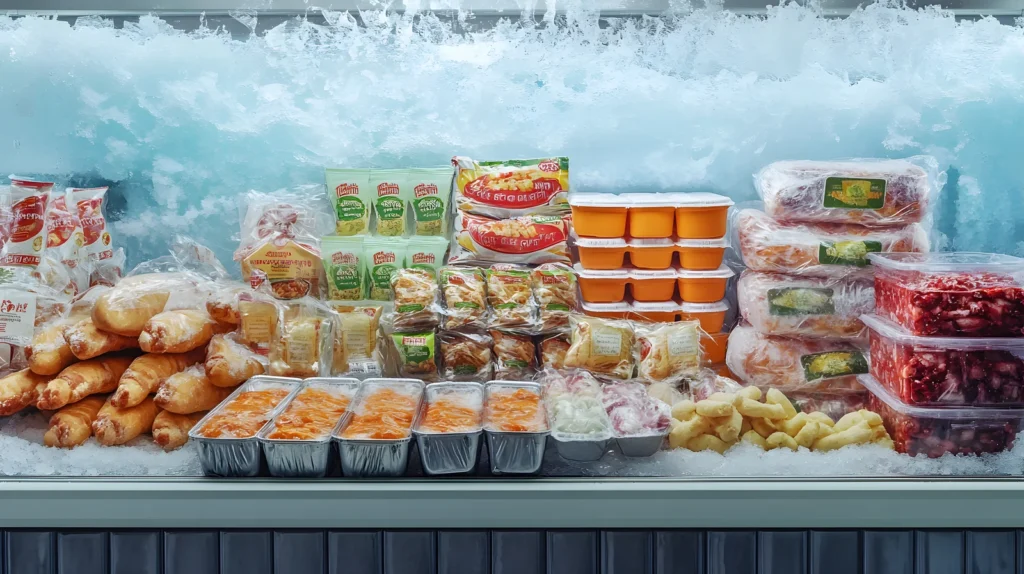
Leading International Frozen Food Supplier – H&A Trading
International Frozen Food Supplier – H&A Trading
Choosing an International Frozen Food Supplier requires evaluating product specifications, food safety documentation, packaging, and cold-chain transportation. H&A Trading supports commercial sourcing as a frozen food exporter, helping buyers procure frozen seafood, meat, poultry, vegetables, fruits, dairy products, and ready meals for international markets. As a frozen food trading company, H&A Trading serves businesses seeking bulk purchasing options for retail, wholesale, and foodservice distribution.
Buyers can assess product formats, storage requirements, export documentation, and destination-market regulations before confirming orders. Whether sourcing through a global frozen food distributor or a bulk frozen food supplier, importers benefit from clear specifications, traceability, and coordinated logistics. Buyers can also explore IQF products, convenience foods, private-label packaging, and complementary canned food categories according to supplier availability.
Frozen Food Sourcing and Wholesale Solutions
H&A Trading connects commercial buyers with sourcing options for retail, hospitality, foodservice, and distribution markets. As a wholesale frozen food exporter, the company helps buyers discuss commercial quantities, packaging, and international procurement requirements.
Available sourcing options may include:
Private label frozen food supplier solutions for customized packaging and market-specific labelling.
IQF frozen food supplier options for individually quick frozen fruits and vegetables, supporting portion control and convenient preparation.
Frozen convenience food exporter and frozen snacks exporter options for restaurants, hotels, retailers, and caterers.
Bulk frozen food arrangements covering product specifications, order volumes, packaging, and shipment requirements.
Frozen Food Sourcing, Supply and Export Support
1. International Sourcing
H&A Trading coordinates sourcing enquiries for frozen seafood, meat, poultry, vegetables, fruits, prepared foods, and selected dairy products, subject to supplier availability. Importers comparing a global frozen food distributor or international frozen seafood exporter can evaluate product origin, specifications, packaging, and destination requirements through a commercial sourcing process.
2. Product Specifications
Frozen food specifications vary by origin, processing method, cut, grade, pack size, and intended application. H&A Trading coordinates relevant details with suppliers to help buyers compare options. An IQF frozen food supplier may provide individually quick frozen products that help food processors and commercial kitchens manage portion sizes, storage, and preparation. Clear specifications also support purchasing and inventory planning.
3. Cold-Chain Coordination
Frozen products require suitable temperature-controlled storage and transportation to maintain quality during distribution. H&A Trading coordinates shipment requirements with relevant logistics partners, considering packaging, handling, transit arrangements, and destination documentation. A frozen food logistics provider supports cold-chain continuity through appropriate transport procedures. Importers should verify temperature requirements, traceability records, food safety documentation, and applicable export regulations before dispatch.
4. Bulk and Wholesale Supply
As a bulk frozen food supplier sourcing partner, H&A Trading helps commercial buyers discuss product availability, order volumes, packaging formats, and delivery requirements. A frozen food wholesaler can support procurement for retailers, restaurants, hotels, caterers, distributors, and institutional foodservice operators. Final quantities and product selections depend on supplier availability and agreed commercial specifications.
5. Packaging and Private-Label Requirements
Businesses seeking customized packaging can discuss available options through suitable suppliers. A private label frozen food supplier may support pack sizes, branding, labelling, and retail presentation. Buyers should verify ingredient declarations, allergen information, shelf-life details, and destination-specific labelling regulations before approving packaging arrangements.
Our Frozen Food Product Range
Frozen Seafood
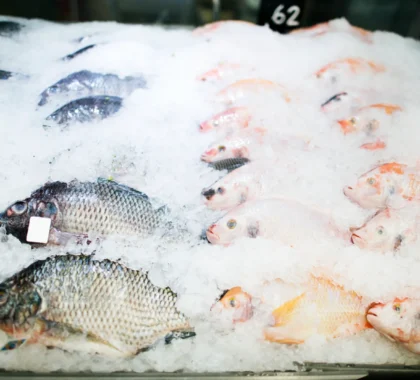
Available categories may include shrimp, prawns, fish, squid, octopus, shellfish, and processed seafood products. Buyers seeking an international frozen seafood exporter can discuss species, product form, origin, packaging, and intended application. Restaurants, processors, retailers, and distributors can evaluate specifications according to their market needs.
Frozen Meat and Poultry
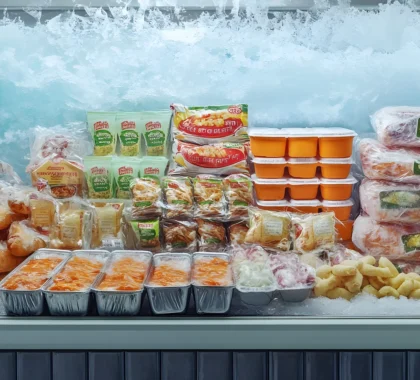
H&A Trading coordinates enquiries for frozen beef, lamb, goat, chicken, and other poultry products, depending on supplier availability. A frozen meat exporter or frozen poultry supplier should be evaluated according to product specifications, processing details, required documentation, and destination-market regulations. These categories serve wholesale, retail, and commercial foodservice procurement needs.
Frozen Vegetables and Fruits
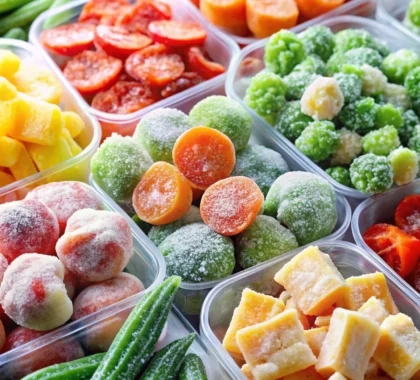
Frozen vegetable options may include peas, sweet corn, green beans, spinach, broccoli, and mixed vegetables. Fruit selections may include mango, berries, pineapple, and other varieties, subject to availability. A frozen vegetable supplier or frozen fruit exporter can support food processing, hospitality, retail, and foodservice requirements. IQF formats may be suitable where individually separated pieces are needed for portioning and preparation.
Frozen Ready Meals and Convenience Foods
Available categories may include pizzas, pasta dishes, rice-based meals, appetizers, and frozen snacks. A frozen ready meal distributor or frozen convenience food exporter can help buyers evaluate preparation requirements, packaging, and retail or foodservice applications. Restaurants, hotels, caterers, and retailers can compare options according to menu needs, storage capacity, and expected demand.
Frozen Dairy Products
Selected dairy products, including cheese, butter, cream, and specialty dairy ingredients, may be sourced according to supplier availability and storage requirements. Buyers seeking a frozen dairy products supplier should confirm appropriate handling conditions because dairy products differ in their storage needs and are not all distributed frozen.
Canned Food and Complementary Categories
Commercial buyers may also enquire about complementary food products. Businesses searching for wholesale canned food suppliers in Dubai UAE or canned vegetable suppliers can assess varieties, packaging sizes, ingredient details, and import requirements. These products may complement purchasing plans for retailers and wholesale foodservice distributors.
Food Safety, Compliance and International Logistics
International frozen food shipments require appropriate product documentation, traceability, and compliance with destination-market requirements. Depending on the product and destination, buyers may need health certificates, origin documentation, ingredient and allergen declarations, or applicable Halal certification. Requirements vary by country and product category, so importers should confirm the relevant rules before ordering.
A reliable perishable foods exporting company coordinates product handling, packaging, storage, and transport requirements to help protect goods during transit. Buyers should review temperature records, lot identification, shipment documents, and packaging suitability. For commercial orders, agreed specifications and delivery terms help clarify responsibilities between suppliers, buyers, and logistics partners.
Why Choose H&A Trading for Frozen Food Sourcing?
H&A Trading provides a commercial sourcing channel for businesses exploring frozen food categories and related food products. Buyers can discuss product specifications, bulk quantities, packaging preferences, supplier availability, and international shipment requirements within one procurement relationship.
Whether businesses require a frozen food import export company, wholesale frozen food exporter, or global frozen food supply company, product suitability depends on confirmed availability, documentation, and destination-market requirements. H&A Trading helps international buyers explore sourcing options for wholesale, retail, hospitality, and foodservice markets.
What Products Can an International Frozen Food Supplier Provide?
| Product Category | Popular Items | Key Features | Ideal For |
|---|---|---|---|
| Frozen Seafood | Shrimp, Salmon, Squid, Mussels | IQF, long shelf life | Retailers, Restaurants |
| Frozen Meat | Beef, Lamb, Goat | Halal, vacuum-sealed | Supermarkets, Hotels |
| Frozen Poultry | Whole Chicken, Chicken Parts | Fresh, nutrient-rich | Foodservice, Retail |
| Frozen Vegetables | Broccoli, Peas, Carrots | Blanched, IQF | Retailers, Food Processors |
| Frozen Fruits | Mango, Berries, Pineapple | Fresh, nutrient-preserved | Retail, Smoothies |
| Ready Meals & Snacks | Pizza, Pasta, Rice Meals | Ready-to-eat, portioned | Supermarkets, Catering |
What products does H&A Trading supply as an International Frozen Food Supplier?
We supply frozen seafood, meat, poultry, vegetables, fruits, ready meals, snacks, and dairy products in bulk and private label formats.
Why Does Frozen Food Quality Vary So Much Between Suppliers?
Frozen food quality can vary due to differences in sourcing, processing, freezing methods, storage conditions, and transportation. Consistent temperature control and proper handling throughout the supply chain help maintain product quality.
What Are the Real Rules for Shipping Frozen Food Internationally?
International frozen food shipments must meet the destination country’s import, food safety, labeling, documentation, and temperature-control requirements. Suppliers also need suitable packaging, cold-chain handling, and transport arrangements to protect products during transit.
Can You Actually Trust Frozen Food Quality from Overseas?
Yes, overseas frozen food can meet consistent quality standards when suppliers follow proper sourcing, processing, freezing, storage, and cold-chain practices. Buyers should also review product specifications, documentation, certifications, and handling procedures before purchasing.
How Long Does International Frozen Food Stay Fresh During Shipping?
International frozen food can maintain its quality throughout shipping when stored at the required temperature and handled correctly. Actual shelf life varies by product, packaging, freezing method, storage conditions, and transport duration.
What Should You Know Before Switching Frozen Food Suppliers?
Before switching frozen food suppliers, compare product quality, specifications, pricing, minimum order quantities, lead times, documentation, storage requirements, and cold-chain practices. Confirm that the new supplier can consistently meet your business requirements.
What Certifications Should Your Frozen Food Supplier Have?
Certifications depend on the product and destination market, but buyers commonly look for recognized food safety certifications, health certificates, halal certification where applicable, and required export or import documentation.
Read More Posts
https://haglobaltrade.com/frozen-fish-and-seafood-trading-company/
https://haglobaltrade.com/wholesale-dry-food-trading-solutions/
Leave a Reply Cancel reply
Comments

We facilitate import, export, and specialized trade services to connect businesses to the products they need.
Links
Our Services
Copyright © 2025 All Right Reserved H&A TRADING. Powered by Adsonz
We are satisfied with H&A Trading for our international frozen food sourcing requirements. Their team communicates clearly about product availability, specifications, and order requirements, making the procurement process easier for our business. A reliable contact for businesses looking for an International Frozen Food Supplier.
Finding a suitable International Frozen Food Supplier in Dubai was important for our wholesale business. H&A Trading helped us discuss our frozen food requirements and coordinate product sourcing for our orders. Their communication was straightforward, and the experience was useful for our food distribution needs across the UAE.
We needed an International Frozen Food Supplier in Dubai for sourcing different frozen food categories for our business. H&A Trading understood our requirements and helped coordinate suitable products, quantities, and shipping details. The communication was straightforward, which made the sourcing process easier for our international purchasing needs. H&A Trading is a good option for businesses in the UAE looking for organized frozen food sourcing and export support.
H&A Trading has made our international frozen food sourcing much easier. Their team understood our requirements, coordinated the products efficiently, and kept the ordering process smooth from start to shipment. A helpful trading partner for our business.
We were looking for an International Frozen Food Supplier who could support our regular sourcing requirements, and H & A Trading made the process straightforward. Their communication was clear, product information was well presented, and the overall service was easy to coordinate.