
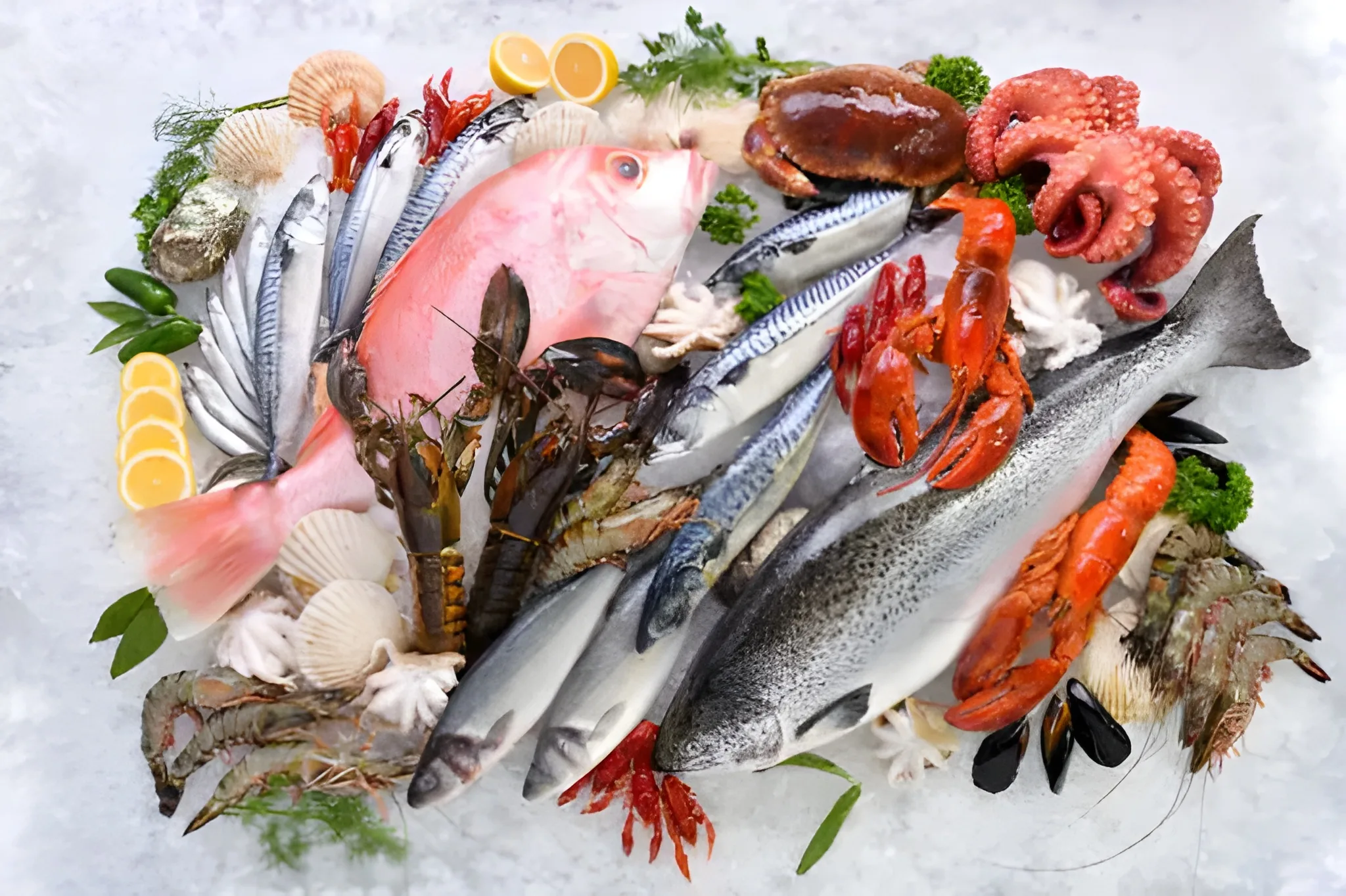
A frozen fish and seafood trading company connects commercial buyers with organized sourcing, cold-chain management, and distribution services. Restaurants, hotels, retailers, and wholesalers depend on a frozen fish supplier for consistent availability, appropriate packaging, and scheduled deliveries. A reliable frozen seafood supplier supports bulk procurement of marine products, including shrimp, prawns, squid, cuttlefish, tuna, mackerel, salmon, and other fish varieties, according to buyer requirements.
As a frozen fish exporter and frozen seafood exporter, a company coordinates shipment documentation, destination requirements, temperature-controlled transportation, and international logistics. Services may include frozen fish processing, product grading, cleaning, and packaging based on commercial specifications. A frozen fish wholesaler, frozen seafood wholesaler, and frozen seafood distributor serve restaurants, retailers, catering businesses, and institutional buyers, while bulk frozen fish trading and bulk frozen seafood trading support larger purchasing volumes.
For UAE businesses, food wholesale suppliers UAE, food distributors UAE, and commercial food suppliers connect food products with wholesale and institutional markets. A dependable frozen fish trading company can coordinate international procurement as a frozen fish importer or frozen seafood importer, while a frozen fish distributor and frozen seafood trading company help maintain organized supply channels. Businesses seeking a premium frozen fish supplier, premium frozen seafood supplier, or established frozen fish company and frozen seafood company can assess product specifications, handling procedures, packaging options, and delivery requirements. A canned food distributor or premium food distributor UAE can also support broader food procurement needs where these products are available.
Who We Are at H&A Trading
Sourcing and Distribution Strengths
H&A Trading connects international buyers with organized procurement and logistics as a frozen fish and seafood trading company. Its sourcing approach supports commercial customers seeking a frozen seafood wholesaler with flexible product specifications, packaging options, and order volumes for different business requirements.
International sourcing: Coordinates procurement of fish and seafood according to buyer specifications and market demand.
Product quality checks: Reviews product condition, grading, specifications, and packaging requirements before dispatch.
Cold-chain coordination: Arranges temperature-controlled transportation to help maintain product quality throughout transit.
Bulk procurement: Supports wholesale purchasing and recurring orders for commercial food suppliers, restaurants, and distributors.
Product specifications: Coordinates requested cuts, sizes, processing formats, and quantities according to buyer needs.
Distribution support: Organizes shipment planning and logistics for international procurement.
H&A Trading supports businesses seeking a frozen fish distributor, frozen seafood distributor, or frozen fish wholesaler for structured procurement. Its sourcing network can also support buyers working with a frozen fish importer, frozen seafood importer, or frozen seafood exporter. By coordinating product sourcing, packaging, and logistics, H&A Trading helps commercial customers manage international seafood supply requirements and bulk purchasing needs.

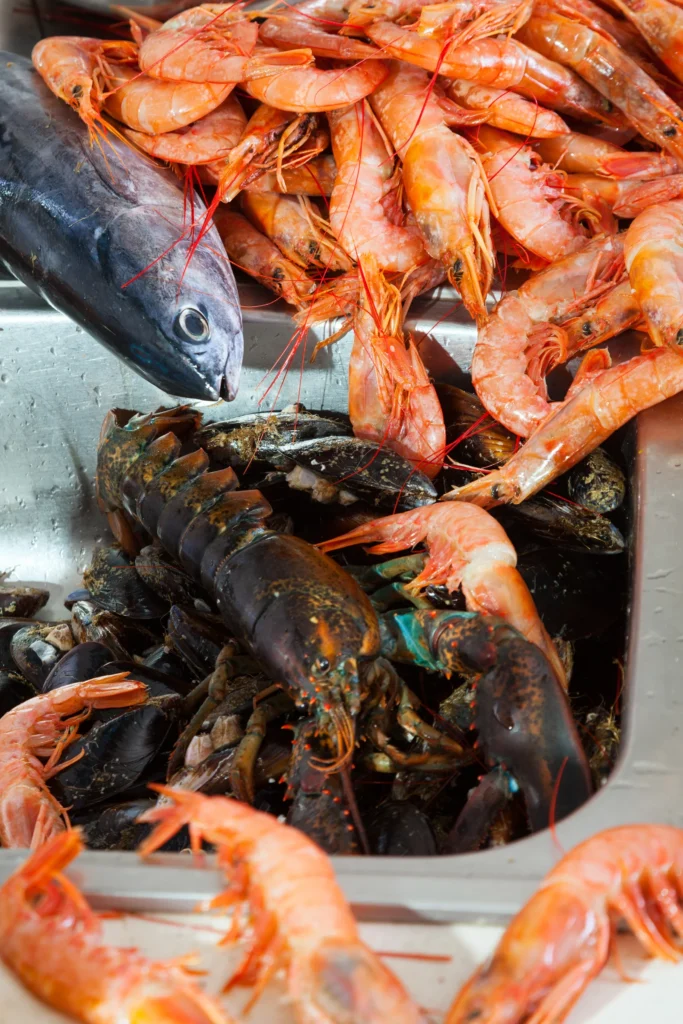
Product Portfolio – H&A Trading’s Frozen Fish and Seafood Solutions
Frozen Fish and Seafood Products for Commercial Buyers
H&A Trading connects commercial buyers with varied seafood products as a frozen fish and seafood trading company. As a frozen fish supplier, the company coordinates sourcing according to species, product formats, packaging specifications, and order volumes for wholesale, hospitality, retail, and foodservice requirements.
Frozen Fish Products
Available species may include cod, haddock, pollock, hake, mackerel, sardine, tilapia, pangasius, and catfish, subject to availability. Whole fish, fillets, loins, steaks, and portions support different commercial applications. A frozen fish wholesaler coordinates bulk purchasing, while a frozen fish distributor supports planned deliveries and business supply requirements.
Bulk Frozen Fish Supply
Bulk frozen fish trading helps importers, wholesalers, and foodservice businesses organize larger or recurring purchases. As a frozen fish exporter, H&A Trading coordinates agreed product specifications, packaging, and shipment requirements. Buyers seeking a premium frozen fish supplier can discuss suitable species, grades, and product formats for their target markets.
Frozen Seafood Range
Available seafood may include shrimp, prawns, squid, cuttlefish, octopus, mussels, scallops, and clams. As a frozen seafood supplier, H&A Trading coordinates product sourcing for different commercial applications. A frozen seafood wholesaler supports resale and foodservice requirements, while a frozen seafood distributor helps organize supply across markets. International buyers can also discuss procurement through a frozen seafood exporter.
Processing and Value-Added Options
Subject to availability and supplier capabilities, frozen fish processing and frozen seafood processing may include cleaning, cutting, freezing, glazing, and individually quick frozen (IQF) preparation. A premium frozen seafood supplier can coordinate specified cuts and formats, while bulk frozen seafood trading supports high-volume purchasing and planned shipments.
Commercial Supply Options
Multiple fish and seafood species, subject to availability
Whole fish, fillets, steaks, loins, and portions
Selected IQF and value-added seafood products
Bulk orders and mixed-container sourcing, where feasible
Specified packaging and product formats
International shipment and logistics coordination
H&A Trading supports commercial procurement by coordinating sourcing, packaging requirements, and shipment planning according to buyer specifications, order quantities, and destination-market requirements. Businesses seeking a frozen fish trading company, frozen seafood trading company, or reliable frozen seafood importer can discuss sourcing options for their wholesale and distribution needs.
What are the key frozen fish and seafood products and their benefits?
| Product | Benefits |
|---|---|
| Frozen Fish | Maintains freshness, rich in protein and omega-3 fatty acids |
| Shrimp | High in protein, low in calories, supports heart health |
| Prawns | Good source of vitamins and minerals, supports muscle growth |
| Crab | Rich in nutrients like zinc and vitamin B12, boosts immunity |
| Lobster | Premium seafood with high protein and essential nutrients |
| Squid | Low in fat, supports metabolism and overall health |
| Mussels | Rich in iron and omega-3, supports heart and brain health |
What types of frozen fish and seafood does H&A Trading supply?
H&A Trading Trade offers a wide range of high-quality seafood products including fish like salmon, tuna, mackerel, and whitefish, as well as shrimp, squid, crab, and lobster. Products are available as whole fish, fillets, or custom portions suitable for retail, wholesale, and foodservice.
How Long Can Frozen Seafood Last in Your Freezer?
Frozen seafood can generally last 3–6 months in a properly maintained freezer at 0°F (-18°C) or below Vacuum-packed or well-sealed seafood may retain its quality longer when stored correctly.
What Are Signs of Poor Quality Frozen Fish?
Poor-quality frozen fish may show strong odors, excessive ice buildup, freezer burn, discoloration, damaged packaging, or a slimy texture after thawing. These signs can indicate improper storage or prolonged freezing.
What Are Signs of Poor Quality Frozen Fish?
Poor-quality frozen fish may show strong odors, excessive ice buildup, freezer burn, discoloration, damaged packaging, or a slimy texture after thawing. These signs can indicate improper storage or prolonged freezing.
What Makes Frozen Seafood Different from Fresh?
Frozen seafood is preserved soon after processing, which helps maintain its quality during storage and transport. Fresh seafood has a shorter shelf life and usually requires faster handling and consumption.
Does Freezing Fish Destroy Nutrients?
Freezing fish does not significantly reduce most nutrients. When fish is frozen soon after processing and stored properly, it can retain protein, omega-3 fatty acids, vitamins, and minerals while extending shelf life.
Why Does Some Frozen Fish Have Ice Crystals?
Ice crystals can form when moisture in frozen fish freezes or when temperature changes occur during storage. Small crystals are normal, while excessive ice buildup may indicate temperature fluctuations or improper packaging.
Read More Posts
https://haglobaltrade.com/global-food-and-beverage-distributor/
https://haglobaltrade.com/international-frozen-food-supplier/
https://haglobaltrade.com/international-seafood-import-export-company/
Leave a Reply Cancel reply
Comments

We facilitate import, export, and specialized trade services to connect businesses to the products they need.
Links
Our Services
Copyright © 2025 All Right Reserved H&A TRADING. Powered by Adsonz
H&A TRADING is a reliable choice for businesses looking for a global frozen fish and seafood trading company. Their product sourcing options, clear communication, and organized supply coordination make it easier to manage wholesale seafood procurement. A helpful partner for businesses seeking consistent product specifications and international seafood supply solutions.
We had a good experience working with H&A Trading for our frozen fish and seafood sourcing requirements in Dubai. Their team communicated clearly about product specifications, order quantities, and delivery arrangements, making the purchasing process easier to manage. A dependable frozen fish and seafood trading company for commercial buyers looking for organized supply coordination.
We contacted H & A Trading when we needed a dependable source for frozen fish and seafood in commercial quantities. What stood out was how clearly their team handled our product requirements and order details. They were responsive throughout the process, and the overall coordination was straightforward. We appreciated the variety available and the way they handled our requirements without making the process complicated.
We recently sourced seafood products through H&A Trading and were pleased with the overall experience. The team handled our requirements clearly and professionally, making the purchasing process easy from inquiry to delivery. Their service is well suited for businesses seeking an international frozen fish and seafood trading company.
We have had a positive experience working with H & A Trading for our frozen fish and seafood requirements. Their product selection, order handling, and communication have made the sourcing process straightforward and convenient for our business.